

Indonesia to Receive Airbus A340-500 from Turkiye
-
News
-
Just now
This article was translated by AI. Read the original article on Kompas.com. See Original
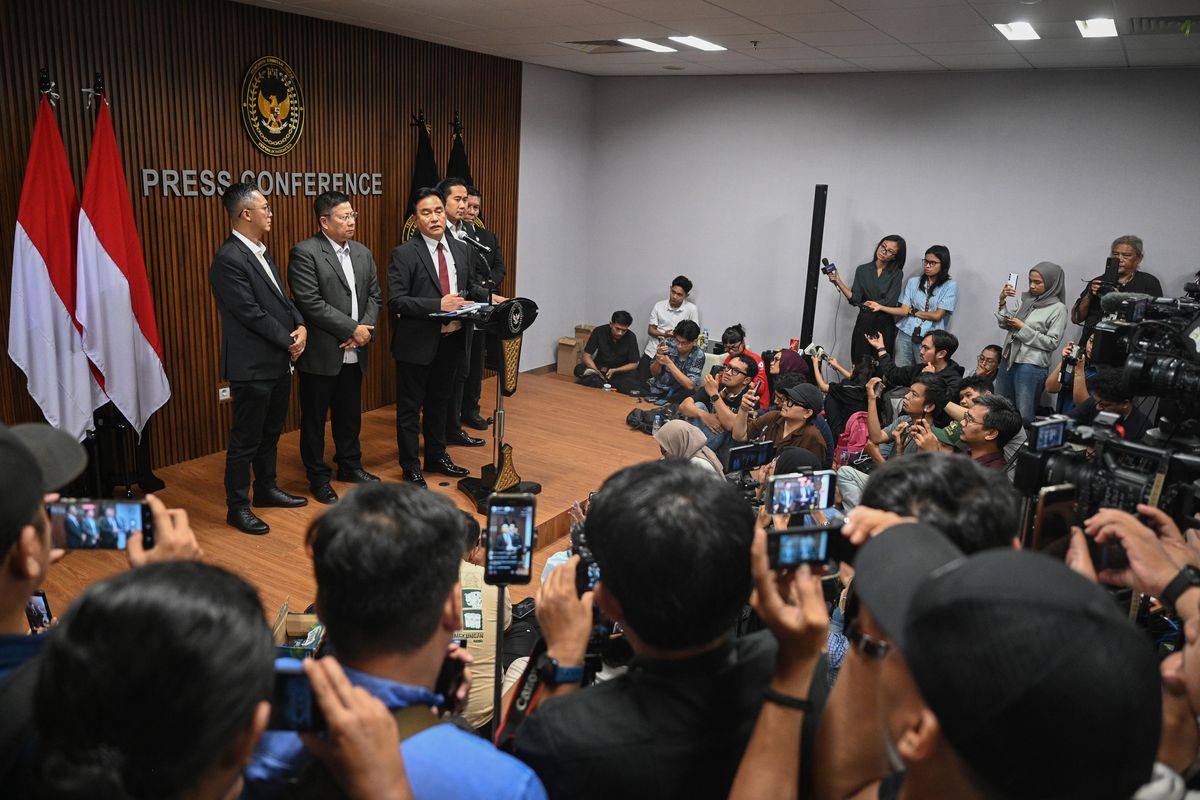
This functional separation is critical to ensure that surveillance authority does not concurrently become the power to supervise and control itself.
The regulation of surveillance must place human rights as a fundamental starting point, not just an additional consideration. Every act of surveillance must adhere to the principles of necessity and proportionality.
This means surveillance can only be conducted for legitimate purposes when other means are insufficient and must be limited to the information and duration that are truly necessary.
Law enforcement interests cannot justify arbitrary surveillance over the private lives of citizens.
On the other hand, civil society must be involved in crafting surveillance legislation, especially organizations focused on human rights, press freedom, and privacy protection.
This involvement is crucial so that regulations are not merely developed based on the technical needs of law enforcement but also consider potential abuses of power and their impacts on civil liberties.
Transparency must also be enhanced through regular oversight reports to the public, at least regarding the number of requests and implementation of surveillance, types of violations, and follow-up on complaints, without disclosing information that could disrupt law enforcement processes.
Equally important, the law must provide mechanisms for complaints and redress for individuals subjected to unlawful surveillance.
Effective oversight must not only identify violations but ensure accountability for perpetrators and restoration of rights for victims.
Surveillance authority is indeed necessary to protect public interests. However, the state also has an obligation to ensure that this instrument does not threaten the rights of citizens that should be protected.