

Indonesia to Receive Airbus A340-500 from Turkiye
-
News
-
5 minutes ago
This article was translated by AI. Read the original article on Kompas.com. See Original
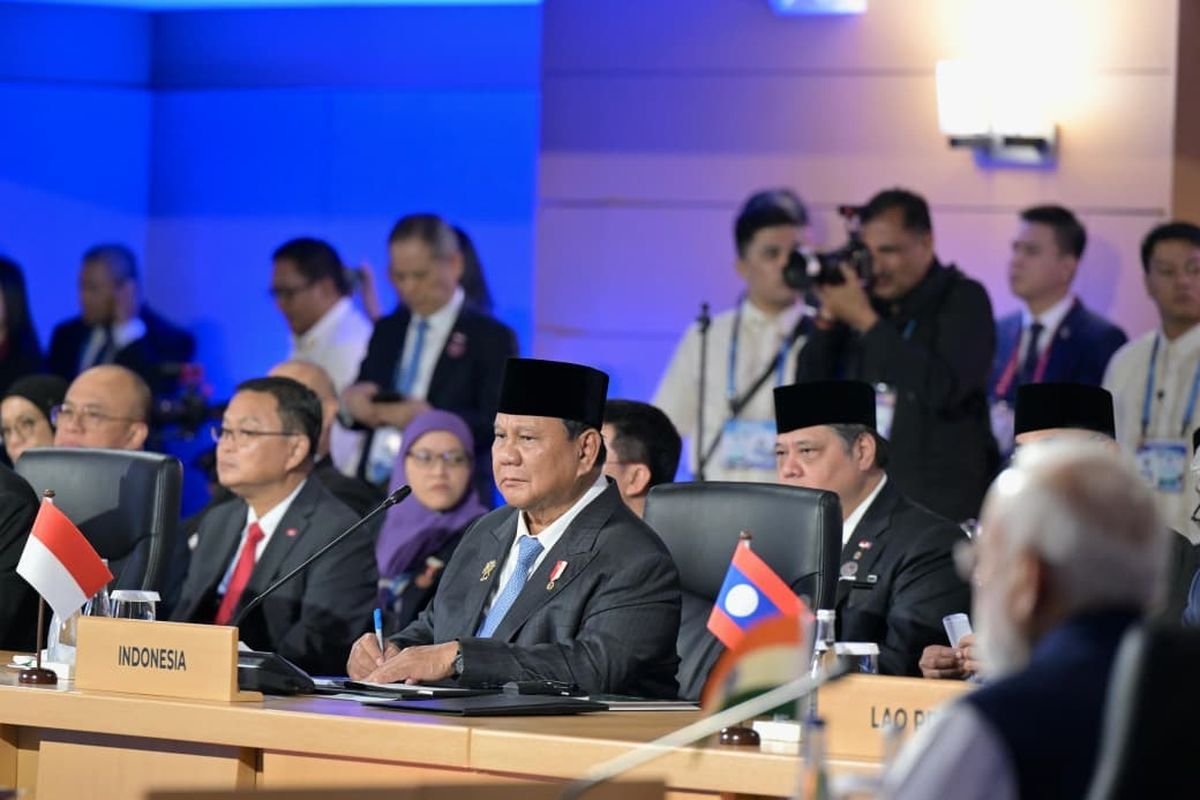
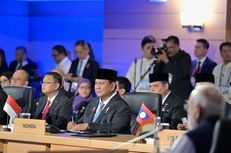
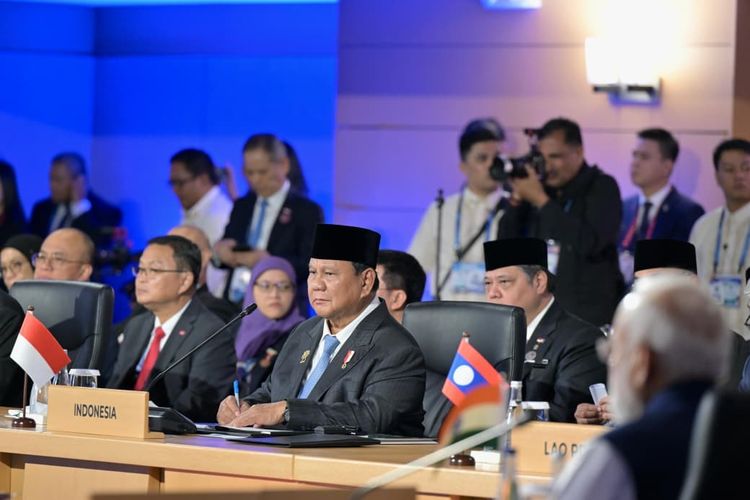
PRESIDENT Prabowo Subianto's apology to Singapore and Malaysia during the ASEAN Summit on November 15, 2026, in Manila, for the forest and land fire (Karhutla) incidents in Indonesia should be appreciated as a sign of statesmanship.
Not many leaders openly acknowledge the cross-border impacts caused by their domestic issues.
However, a more pressing question is: how long must Indonesia continue to apologize for the same problem?
Karhutla is not a new tragedy. It is a recurring crisis, almost becoming an annual ritual that emerges during extreme dry seasons.
Each time fires consume millions of hectares of land, each time the sky turns gray and air quality deteriorates, Indonesia once again finds itself under the global spotlight.
In truth, it's not just the forests that are burning; it's also the credibility of Indonesia's environmental governance.
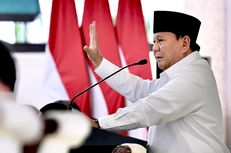
President Prabowo's statement before ASEAN leaders carries great symbolic significance.
When Indonesia apologizes for the haze affecting Singapore and Malaysia, what’s truly at stake is not only diplomatic relations but also Indonesia's reputation as home to one of the largest tropical forest areas in the world.
For years, Karhutla has often been viewed merely as a natural disaster. However, in reality, most fires have strong economic and political dimensions.
Land clearing by burning remains the cheapest method compared to more expensive mechanical options.
In several regions, this practice intersects with the interests of plantations, forestry, land speculation, and the weakness of local government oversight.
The issue becomes even more complex when fires occur on peatland. Peat stores immense amounts of carbon for thousands of years. When ignited, the fire does not just burn on the surface but can spread deep underground, making it difficult to extinguish for months.
This explains why fires often continue despite rainfall or large-scale extinguishing efforts.
The success of handling Karhutla cannot be measured by the number of personnel deployed or helicopters dispatched. The true measure of success is the government’s ability to prevent fires from igniting in the first place.
President Prabowo’s declaration that the government aims to shift from firefighting to prevention is indeed a step in the right policy direction.