
Indonesia to Receive Airbus A340-500 from Turkiye
-
News
-
7 minutes ago
This article was translated by AI. Read the original article on Kompas.com. See Original
On the other hand, environmental degradation resulting from unregulated development practices incurs far greater social and economic costs.
Health costs, productivity losses, transportation disruptions, ecosystem destruction, and biodiversity loss often far exceed the short-term gains from cheap land clearing.
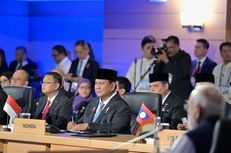
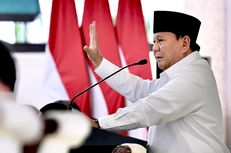
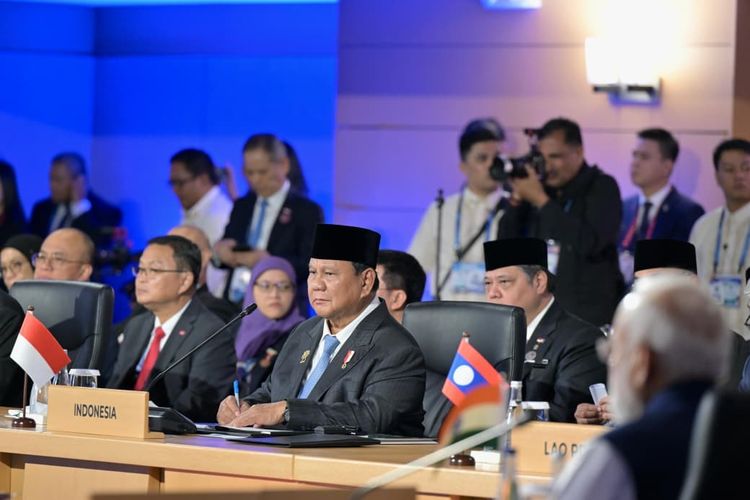
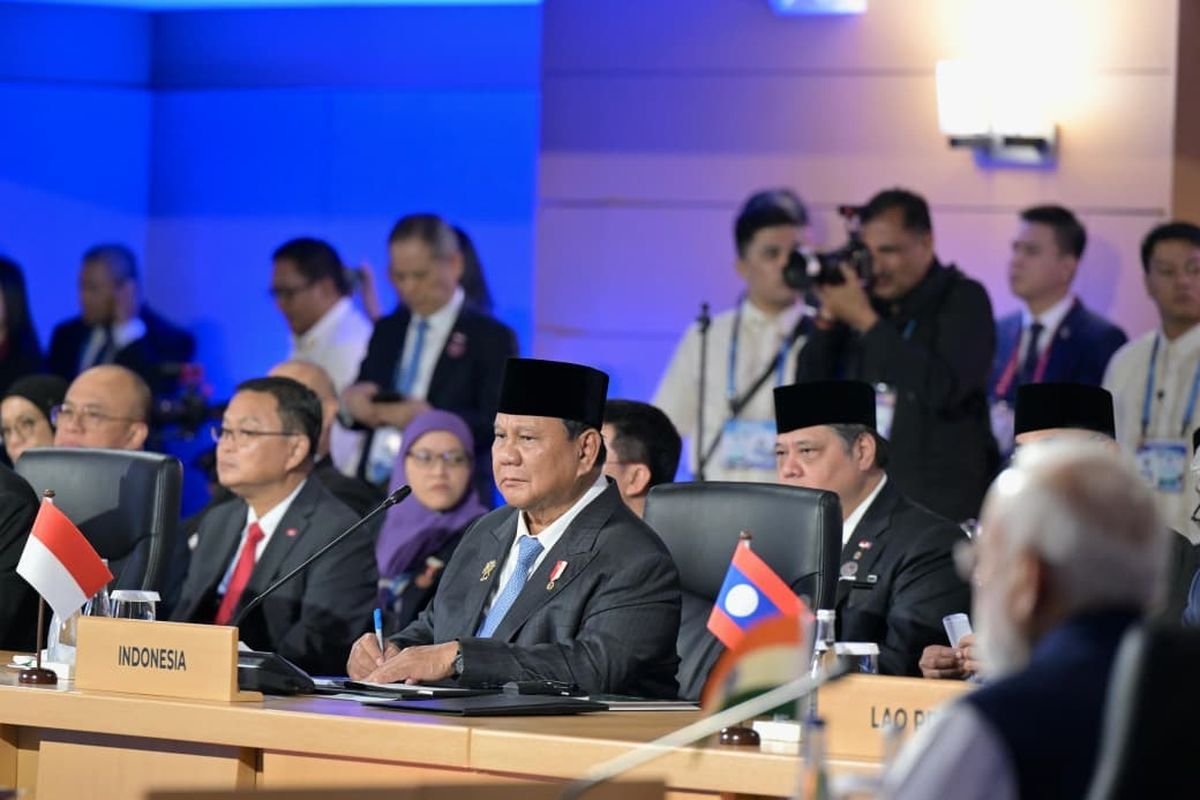
Thus, President Prabowo's apology at the ASEAN Summit should be seen as a point of national reflection. An apology is important in international relations as it shows accountability and empathy.
However, the most effective diplomacy is not the kind that excels in apologies but that which ensures the reasons for needing to apologize do not recur in the future.
If the Prabowo administration can indeed shift the paradigm from firefighting to prevention, from reaction to anticipation, and from impunity to accountability, then the apology in Manila could be remembered as the beginning of significant change in Indonesia's environmental governance.
However, if fires and the resulting haze recur in the coming years, history will record that only the rhetoric changed while the issues remained the same.
President Prabowo's statement should not merely serve as a diplomatic moment. It must become a political turning point.
The government must prove that no company, interest group, or economic actor is stronger than the public interest.
Prevention must become a top priority, not a sidelined agenda forgotten when the rains come.
Therefore, President Prabowo's apology in Manila must become the last apology. For this to happen, three old habits must be changed.
First, burn the concession maps, not the forests. A permanent moratorium on palm oil and industrial plantation concessions on peatlands over 3 meters deep should become law, not just a presidential instruction that can be revoked.
Publish the names of 104 companies involved. Blacklist them from accessing credit from state-owned banks and the Singapore-Malaysia stock exchanges. Revoke not only their permits but also prosecute their directors.
Second, enforce binding ratifications. Do not fear ratifying the ASEAN Coordinating Center on Transboundary Haze Pollution Control under the guise of sovereignty.
Our sovereignty has long been vaporized along with the peat. With a coordinating center, we can force supply chain transparency: companies in Malaysia and Singapore that buy palm oil from burned land must be fined in their countries.
Third, return the forests to their guardians. The firefighting budget of IDR 1.2 trillion each year would be more effective if 50% were diverted to community-based Peat Restoration initiatives.