
Indonesia to Receive Airbus A340-500 from Turkiye
-
News
-
8 minutes ago
This article was translated by AI. Read the original article on Kompas.com. See Original
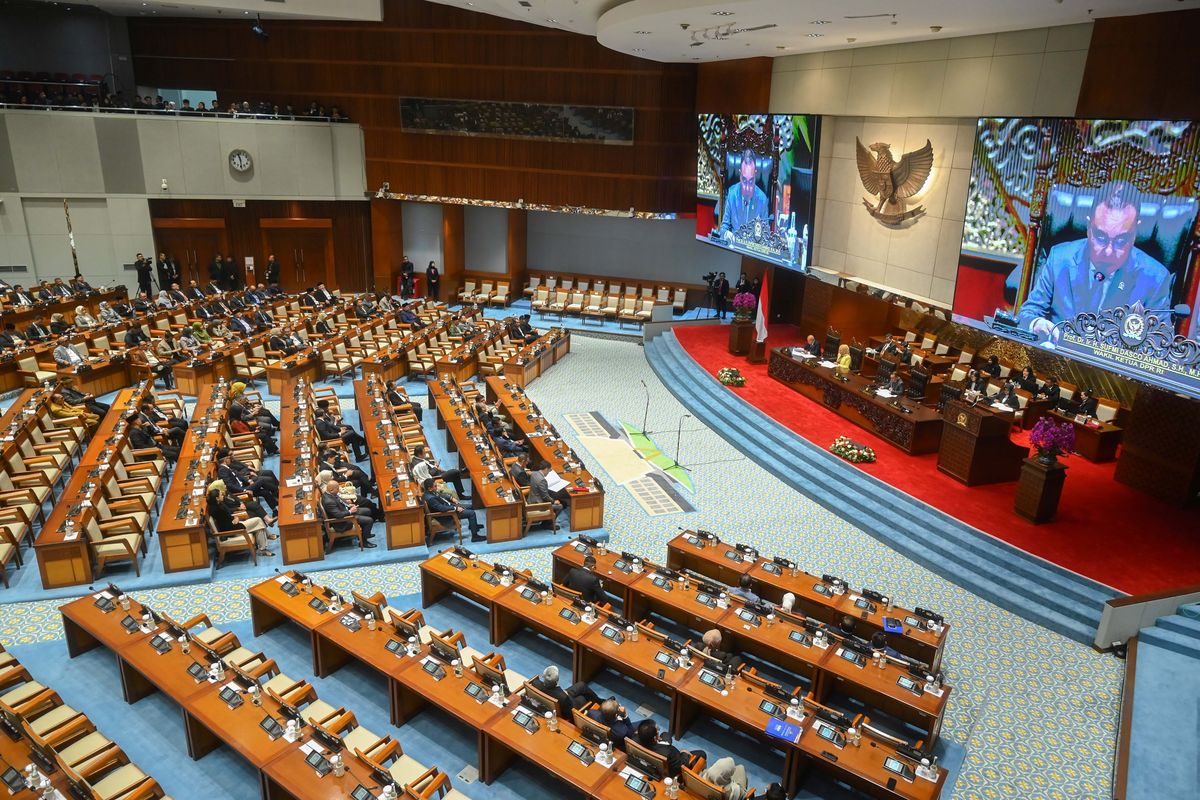
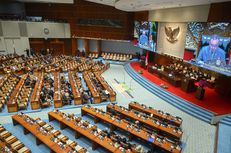
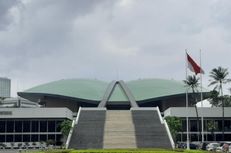
THURSDAY morning, November 12, 2026, marked a decisive moment at the parliament complex in Senayan, Jakarta.
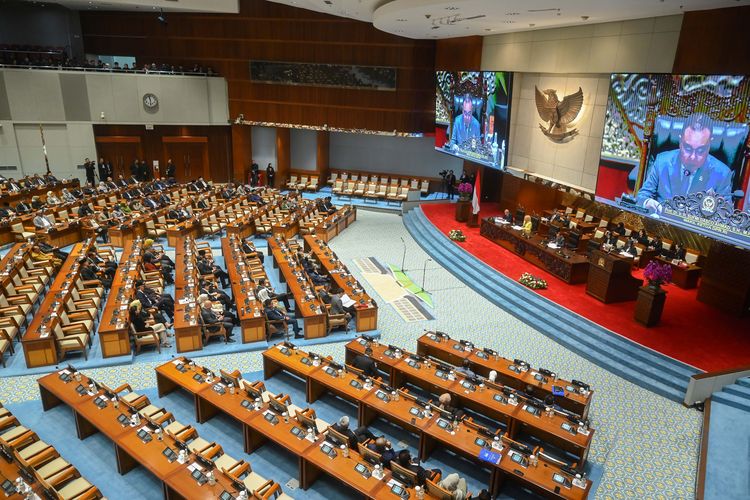
Precisely two hours before the Plenary Meeting of the House of Representatives (DPR RI) read the proposal for the Right to Express Opinion (HMP) signed by 120 members across eight factions, Gibran Rakabuming Raka visited the leadership of the People’s Consultative Assembly (MPR RI) to submit his resignation as vice president.
This decision, previously reported to President Prabowo Subianto, was made to avoid open impeachment while leaving plans for an administrative lawsuit at the State Administrative Court (PTUN).
Gibran's resignation dismantled the political myth that government officials are immune to legal issues after the election stage concludes.
However, a new chapter has just begun: the contentious issue of diploma validity is now directly at the doorsteps of the offices of 580 members of the DPR RI.
The vice-presidential seat began to waver after being shaken by two rulings from the highest courts throughout October 2026.
On October 6, 2026, the Constitutional Court (MK) through Decision Number 01/PHPU.PRES-XXIV/2026 stated that the applicant's request was inadmissible due to lack of legal standing, but the judges noted a crucial fact.
The absence of convincing evidence in the form of a diploma, certificate, or foreign degree equivalent to a high school diploma.
The climax occurred on October 30, 2026, when the Supreme Court (MA) through Cassation Decision Number 742 K/TUN/2026 revoked Certificate of Equivalence Number 9149/D/D1/KS/2019 dated August 6, 2019, issued by the Ministry of Education and Culture. The document that enabled Gibran to run in the 2024 presidential election was declared null and void due to the law.
In Senayan, politicians swiftly took the stage. DPR RI Commission III member Sarifuddin Sudding referred to Gibran's resignation as a more elegant step than being dismissed dishonorably while reminding of the criminal threats related to document forgery and regulatory manipulation if the HMP process continues.
This combative stance from parliament comes rather late. The House leadership only acted after being sued by civilians through a citizen lawsuit (CLS) in the Central Jakarta District Court for failing to respond to three summons related to a complaint concerning the educational qualifications of the vice president.
Now the public has the right to demand similar assertiveness from the occupants of the Nusantara Building. Law Number 7 of 2017 on Elections sets the same minimum educational requirements—graduation from high school or equivalent—for both presidential and vice-presidential candidates (Article 169 letter r) as well as for DPR and DPRD candidates (Article 240 paragraph (1) letter e).
The educational qualification provisions for candidates, which were tested for material legitimacy by the public at the MK in August 2026, place the executive and legislative branches on an equal legal footing.
The issue is that the DPR enjoys demanding transparency externally while locking up its own data.
The report “Political Statistics 2024” released by the Central Statistics Agency (BPS), based on data from the General Election Commission (KPU), exposes the secrecy in Senayan.