
DPR Highlights Challenges for UMK in Obtaining Halal Certification: Long and Complicated
-
News
-
17 minutes ago
Writer
This article was translated by AI. Read the original article on Kompas.com. See Original
Thus, legal compliance hinges on the interpretation of enforcing authorities, which can change over time.
They argue that the broad formulation without clear limits on the types, scope, and characteristics of the objects concerned creates a lack of clarity in the norm.
As a result, this could be subjectively interpreted by policymakers and enforcers in the field.
This may also open the door for law enforcement to target objects not intended by the lawmakers as part of the halal product assurance regime.
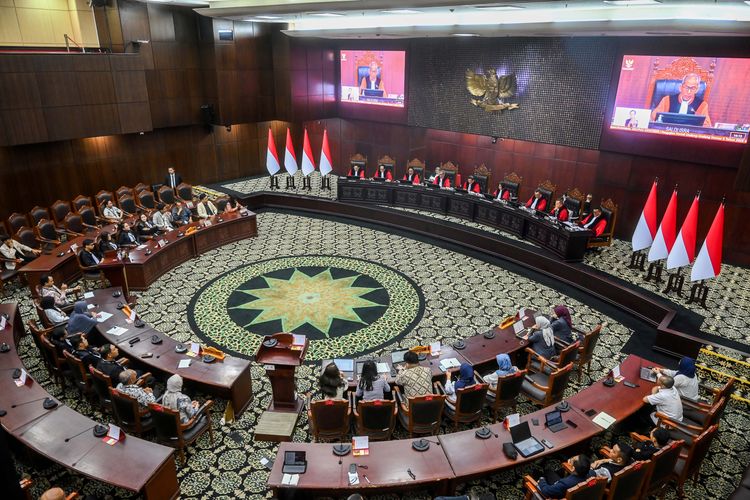
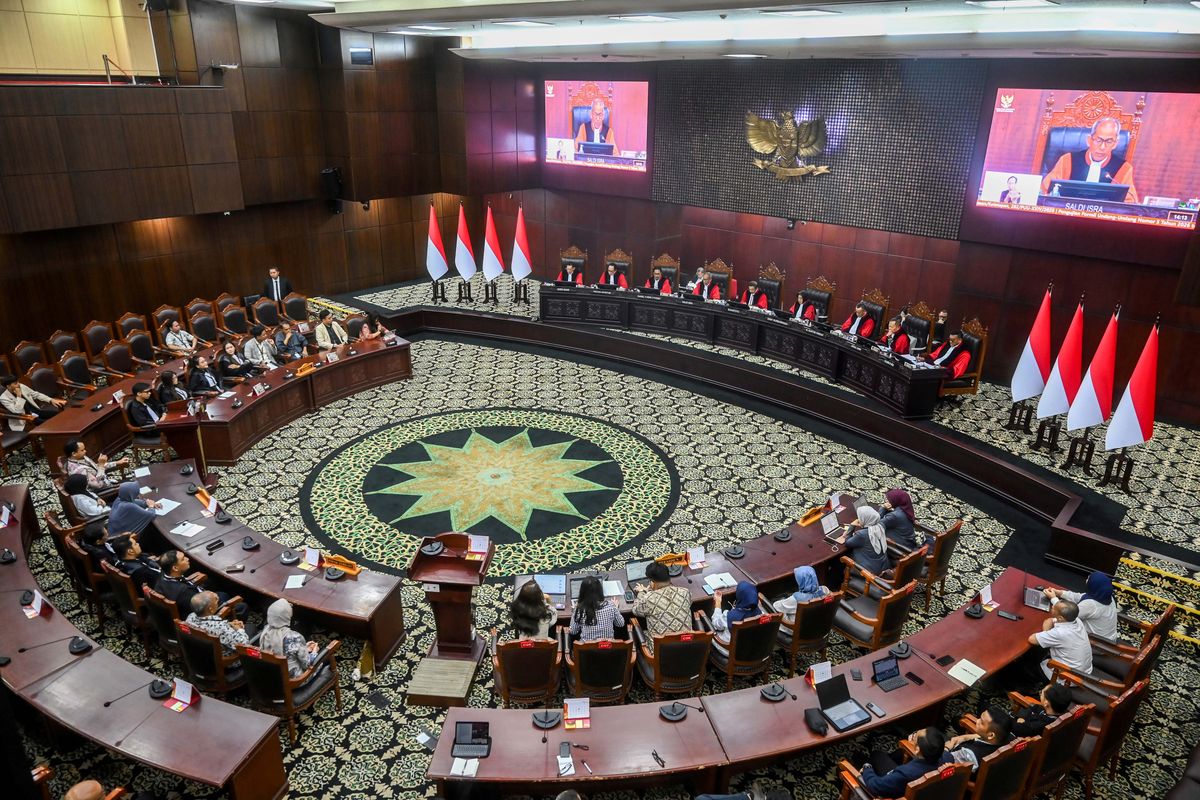
In their request, they urged the Constitutional Court to issue an interim ruling to delay the implementation of paragraphs (2) and (3) of article 67 of Law 33 of 2014 regarding the obligation of halal certification for micro and small businesses along with the imposition of administrative sanctions until there is a final ruling from the Constitutional Court on the main petition a quo.
They also sought a declaration that article 48 number 1 of the appendix of Law No. 6 of 2023 which amends the norm of article 1 number 1 of Law 33 of 2014 is conditionally unconstitutional with the 1945 Constitution and has no binding legal force, unless interpreted as: "Products are food, beverages, medicines, or cosmetics consumed and/or used by the Muslim community".