
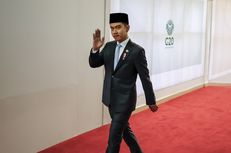
PKB: Gibran's Resignation Intention and Right to Express Opinions in the DPR are Two Different Matters
-
News
-
5 minutes ago
This article was translated by AI. Read the original article on Kompas.com. See Original
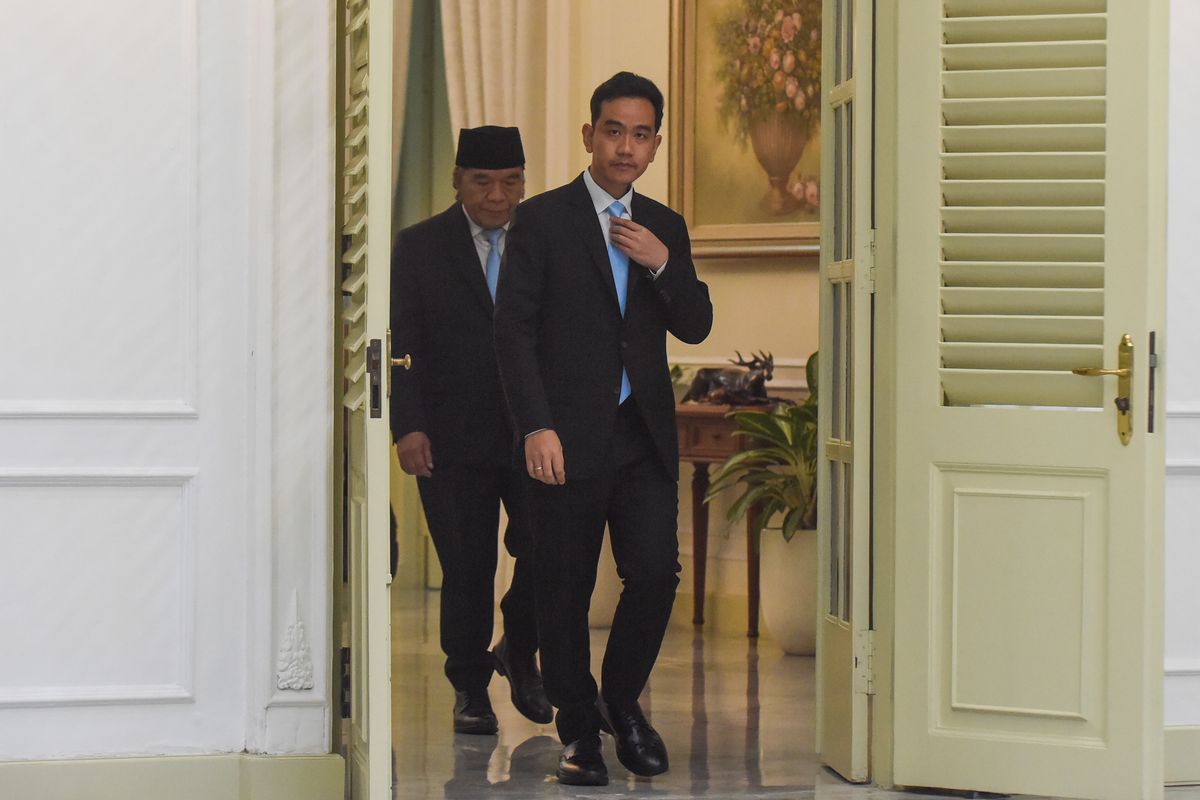
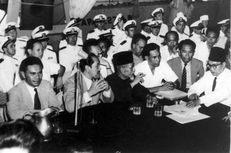
In 1960, while criticizing Guided Democracy, he wrote that “democracy will not disappear from Indonesia.” We still read that sentence long after people stopped addressing him as vice president (Presidential Decree No. 13 of 1957, February 5, 1957) (Mohammad Hatta, Our Democracy, Pandji Masjarakat, May 1, 1960).
In the United States, Spiro Agnew resigned on October 10, 1973, amid a tax controversy. The vice-presidential seat was vacant for 57 days.
Gerald Ford, the candidate nominated by Richard Nixon, was approved by the Senate with a vote of 92 to 3 and by the House of Representatives with 387 to 35 (Gerald R. Ford Presidential Library, October–December 1973).
The Philippines also requires the approval of both chambers separately. There, replacement candidates must come from the Senate or the House of Representatives.
Like the 60-day limit in Indonesia, the mechanisms in both countries provide a way for governance to continue when the vice-presidential seat is empty (Philippine Constitution, Article VII Section 9, February 1987).
“If men were angels, no government would be necessary,” wrote James Madison (The Federalist No. 51, February 1788).
In Indonesia today, the Rule of Law Index ranks it 75th out of 143 countries, dropping six places in a year.
For citizens, questions regarding the rule of law can begin from something simpler than rankings.
When a document is called into question, can they trace its journey from the table where it was approved to the courtroom where it was tested? (World Justice Project, October 21, 2026).
The first step lies with Kemendikdasmen.
The ministry needs to explain how the withdrawal order was followed up. The DPR can request the ministry explain the evidence that underpinned the issuance of the equivalency letter, then ask the KPU to show what was received and how the document was evaluated in 2023.
Gibran needs to be given the opportunity to respond to the results of the examination. A summary can be made available to the public while protecting personal data.
Even if the MPR eventually needs to select a successor, the KPU and the ministry still need to explain the decisions they made.
Before the next presidential election, the KPU needs to amend the candidacy rules.
Article 42 of KPU Regulation No. 19 of 2023 allows clarifications to be made to relevant agencies when there are doubts, and Article 43 regulates the verification minutes.
For any overseas education equivalency letter, the KPU should require written confirmation from the issuing agency stating the graduation evidence supporting that letter. Until the confirmation is received and examined, the requirement cannot be considered met.
The Bawaslu should be able to trace that confirmation in the minutes. The KPU needs to publish a summary of the verification results before the determination of candidates, with time for the public to present evidence and for candidates to respond (KPU Regulation No. 19 of 2023, Articles 42–43, October 9, 2023).
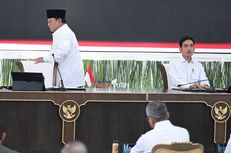
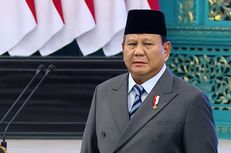
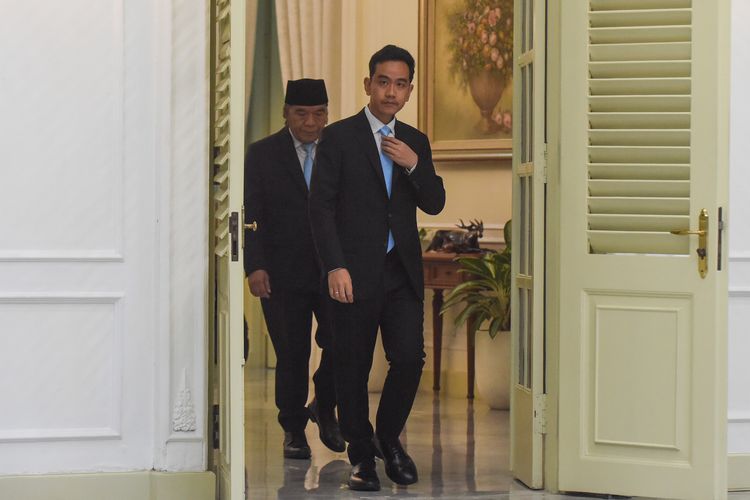
In the future, a child may find a photo of Heroes' Day in the archives. Prabowo and Gibran are still walking side by side. Their names are printed beneath the image.
If that child asks how the man at the president's side arrived at his seat, hopefully, they can access KPU archives and read for themselves what was examined before that name appeared on the ballot.