

Amran Vs Sugiono: Analysts Weigh Public and Elite Acceptability
-
News
-
56 minutes ago
This article was translated by AI. Read the original article on Kompas.com. See Original
A photo can sometimes shape an opinion faster than a thousand pages of explanation.
In politics, the power of an image can even transcend the events it captures.
People are no longer busy trying to find out what really happened. They are instead guided to feel something.
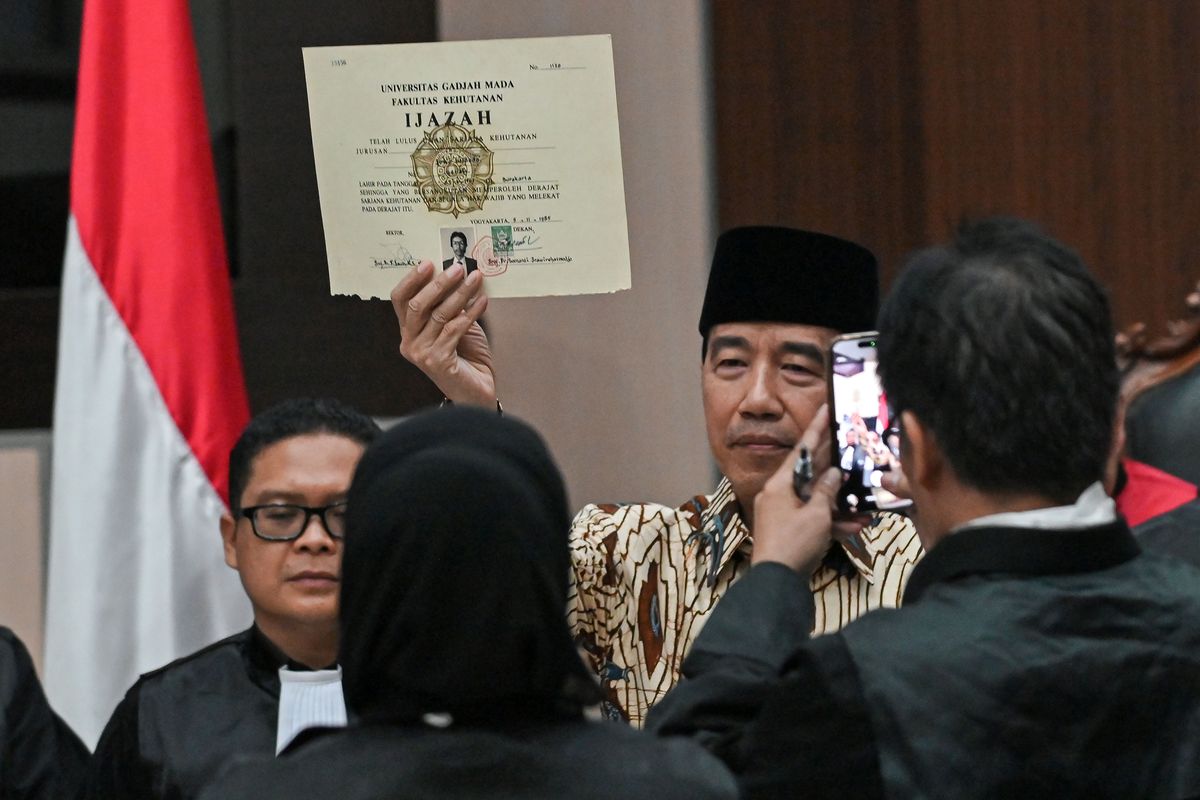
The incident at the East Jakarta District Court on Thursday (5/11/2026) illustrates this mechanism at work.
Indonesia's 7th President, Joko Widodo, appeared as a witness in a case involving defamation allegations related to accusations about his diploma.
During the trial, a camera recorded him bending down to pick up and arrange documents that had fallen on the floor.
This moment quickly circulated widely. The official account of the Indonesian Solidarity Party (PSI) posted the photo with the caption, "Who wouldn't be moved by this scene?"
Jokowi's aide, Syarif Muhammad Fitriansyah, also issued an apology for not being quick enough to assist.
He explained that there are rules during the trial that limit movement.
In a short time, a simple gesture transformed into a narrative about humility, resilience, and sacrifice.
Many expressed their emotions, some even crying. What began as an event in a courtroom quickly turned into an emotional spectacle in the public sphere.
We need to pause to examine how this narrative was constructed. Jokowi was undergoing examination as a witness.
There are courtroom protocols, limits on access, and an obligation for everyone to respect the ongoing process.
The explanation from his aide regarding the courtroom rules provided important context.
It is not accurate to conclude that there was unfair treatment just from a photo of someone picking up papers off the floor.
However, the PSI post took that photo into a different realm.
The phrase, "Who wouldn't be moved?" is not a neutral description of an event. It serves as an invitation to feel something.
The public is not just asked to view the photo; they are directed to immerse themselves in the atmosphere of sentimentality.
This choice of words is significant because it comes from an official political party account, rather than just a personal post from a citizen.