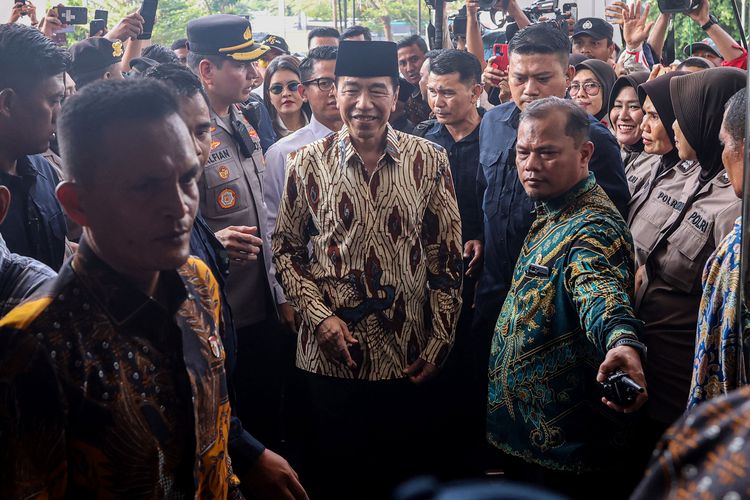


Amran Vs Sugiono: Analysts Weigh Public and Elite Acceptability
-
News
-
1 hour ago
This article was translated by AI. Read the original article on Kompas.com. See Original
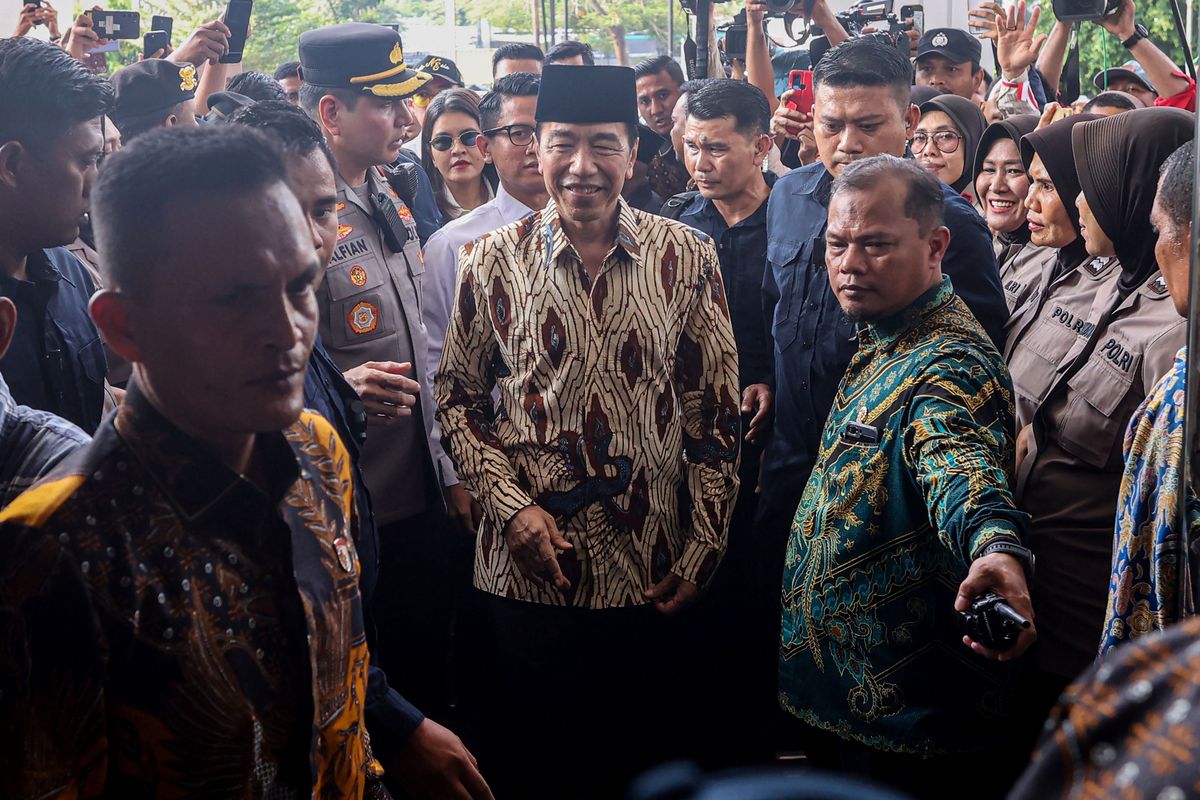
We are witnessing how political communication functions through emotion. Not all political messages are conveyed through speeches, press conferences, or official statements.
Some messages are crafted through images, gestures, music, video clips, and short phrases that are easily shareable.
All of these can shape impressions about who is suffering, who deserves support, and who is deemed unfeeling.
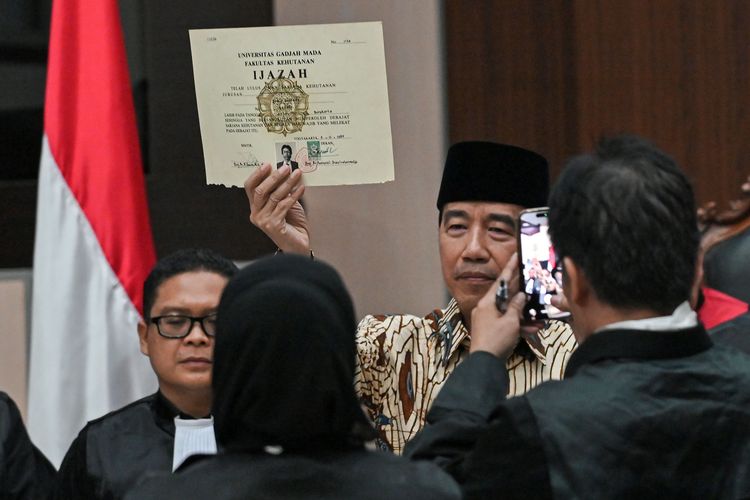
In political dramaturgy, an image does not always require lengthy explanations. A single photo can serve as a stage.
A person bending down to pick up documents can be interpreted as a humble figure enduring unpleasant treatment.
Yet, the photo does not capture the entire courtroom atmosphere, does not explain access rules, and does not provide a complete account of what happened before or after.
We have no evidence that this scene was staged or deliberately arranged. There is also no reason to doubt the sincerity of those who felt moved.
However, the framing after the photo circulated can be critically examined.
Especially when the entity sharing it is a political organization with interests in shaping an image and connecting with the public.
The challenge in our political awareness is the habit of receiving snippets of events along with prepared interpretations.
Before context can be examined, emotion often takes precedence.
Sympathy can evolve into defensiveness, admiration can morph into loyalty, while those questioning the narrative risk being considered lacking empathy.
In reality, sympathizing with someone does not require us to accept every message attached to them.
Respecting Jokowi as a former president does not mean every move he makes must be interpreted as exemplary.
He is entitled to humane and dignified treatment, just like any citizen involved in legal proceedings.
The courtroom is not a stage to determine who deserves sympathy the most.
The principle of equality before the law demands that social status, past positions, and popularity do not alter how someone undergoes legal processes.
When Jokowi appears as a witness, what should matter are his statements, the evidence presented, and how the process of proof unfolds.
Not how touching a photo is.