

Observers: It Would Be More Elegant if Listyo Sigit Attended the Ethics Hearing
-
News
-
4 minutes ago
This article was translated by AI. Read the original article on Kompas.com. See Original
TRIAL of the alleged defamation and slander regarding accusations of Joko Widodo's fake diploma merits attention that goes beyond legal issues.
There is a battle of perceptions taking place outside the courtroom. Someone who is consistently cornered may garner sympathy, while the attacking party faces questions about the appropriateness of their actions.
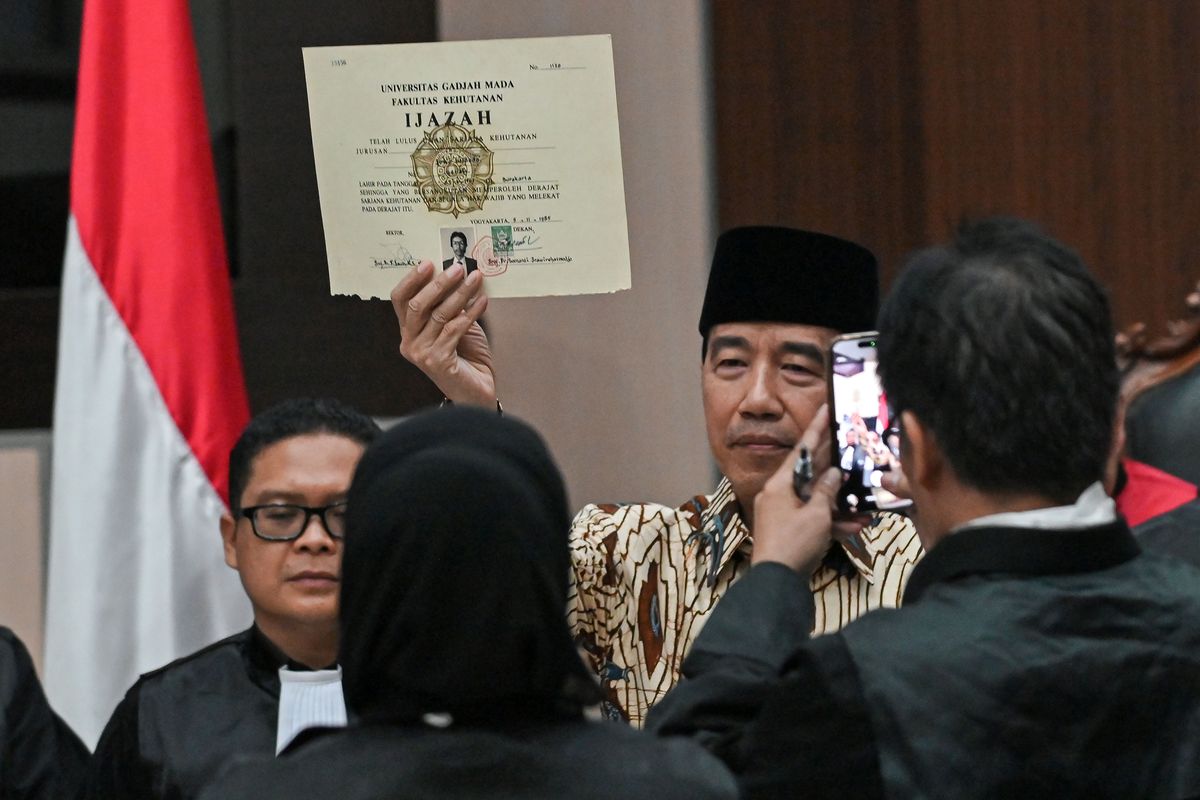
On Thursday (November 5, 2026), Jokowi appeared as a witness in a trial at the East Jakarta District Court.
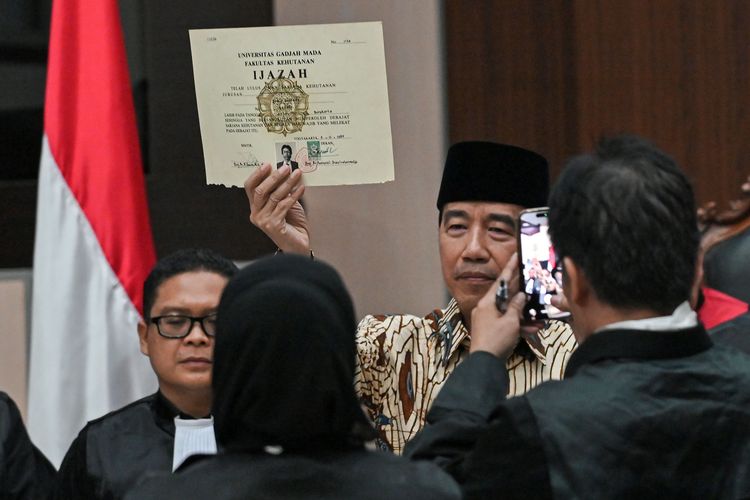
He displayed his diplomas from elementary school through to higher education. After obtaining permission from the panel of judges, he also showed the documents to court visitors.
However, the presentation of these documents did not immediately resolve the controversy.
Roy Suryo remained skeptical about their authenticity, dismissing Jokowi's testimony and requesting re-examination of the evidence at a forensic laboratory other than that of the National Police.
This is despite the fact that the diploma had already been tested by the National Police's forensic lab.
This incident recalls the assumption that the issue would be resolved once Jokowi presented his diploma.
In reality, showing documents in court does not automatically lead the accusers to accept them.
Stigmas and subjective perceptions will always linger when issues are tied to emotion and not well rationalized.
“Just because it’s in court doesn’t mean it’s resolved,” Jokowi said after the trial.
He left the settlement of the matter to the panel of judges and sought justice regarding the accusations against him (Jokowi in various news sources, 2026).
This attitude reflects a broader issue in our political debate: is there a political agenda behind this diploma issue?
Questions about a public figure's documents can be raised. Evidence testing has its place in court proceedings.
However, public debate loses direction when every answer merely gives rise to new excuses to uphold initial conclusions.