
601 Tons of Narcotics Destroyed, Prabowo Says Value Could Fund Renovation of 60,000 Schools
-
News
-
5 minutes ago
This article was translated by AI. Read the original article on Kompas.com. See Original
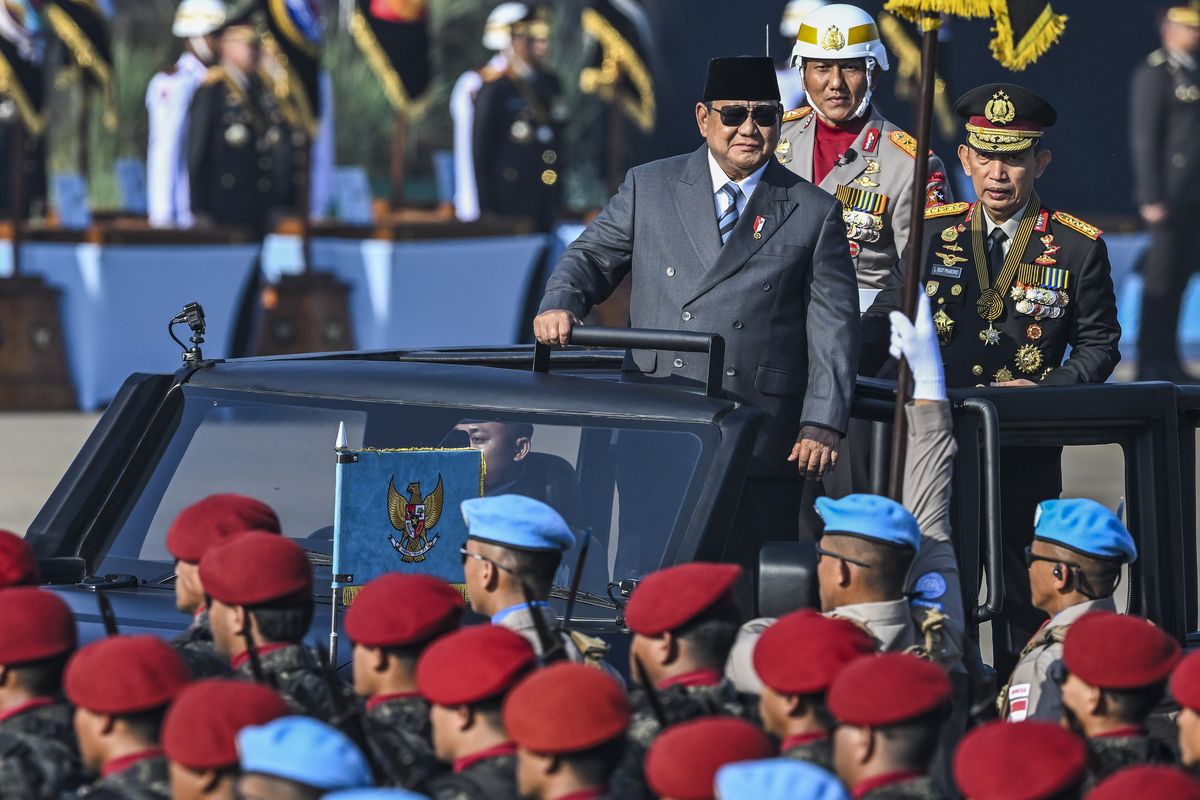
"Treason, as explained above, involves the unlawful seizure of legitimate power," he said.
Thus, investigators need to determine whether the eavesdropping on Prabowo is merely an illegal act or part of an effort designed to incapacitate the President.
Professor of Law at Al-Azhar Indonesia University Suparji Ahmad cautions against hastily categorizing this case as treason.
According to Suparji, illegal eavesdropping and treason represent two distinct constructs of crime.
Each has different objectives and actions, as defined in the National KUHP.
"Therefore, the fact that there are allegations of eavesdropping against state officials, including the President, cannot automatically be concluded as treason," Suparji told Kompas.com.
He emphasizes that treason requires proof of a specific intent and actions that meet the criteria specified by law.
"It's not enough to rely solely on the status of the official being eavesdropped on, the identity of the alleged eavesdropper, or the suspected motives circulating in the community," he stated.
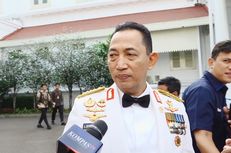
Suparji highlights that the case involving Listyo Sigit and two high-ranking police officers relates to allegations of illegal eavesdropping, illegal access to electronic systems, and the deletion of electronic data.
He suggests that these factors should guide public understanding of this case.
"It is inappropriate to frame a case still linked to allegations of eavesdropping into a conclusion that suggests acts of treason have occurred by law enforcement against the state," Suparji remarked.
He believes that such framing of public opinion could not only obscure the substantive aspects of the case but might also foster widespread distrust toward state institutions.
"The Indonesian public has a sensitive historical experience regarding power conflicts, abuse of authority, and threats to governmental stability. Using narratives unsupported by legal facts can rekindle those concerns," he said.
Hence, Suparji urges all parties to be cautious in using the term treason, especially since it carries significant implications for national security.
"Such caution does not mean closing the door on further developments should new evidence come to light later. However, every development of suspicion must be based on solid evidence and fulfillment of criminal elements, not on pressures or speculation circulating in the public space," he stated.