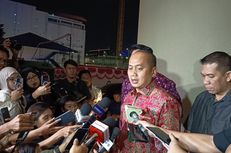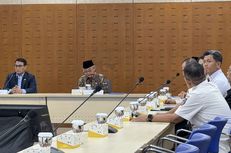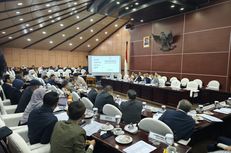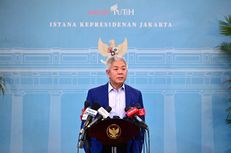

Chairman of Commission II of DPR Warns 2026 CPNS Selection Must Be Free from Favors, No Fees Charged
-
News
-
5 minutes ago
This article was translated by AI. Read the original article on Kompas.com. See Original
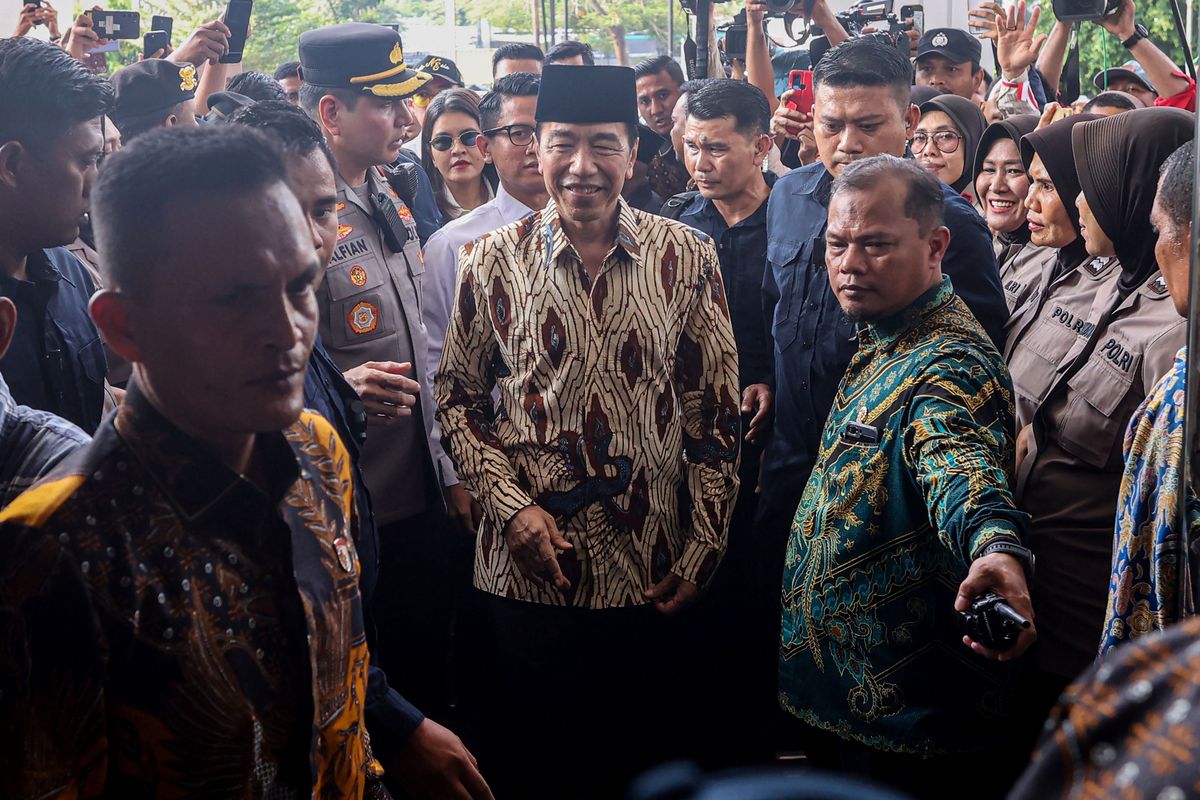
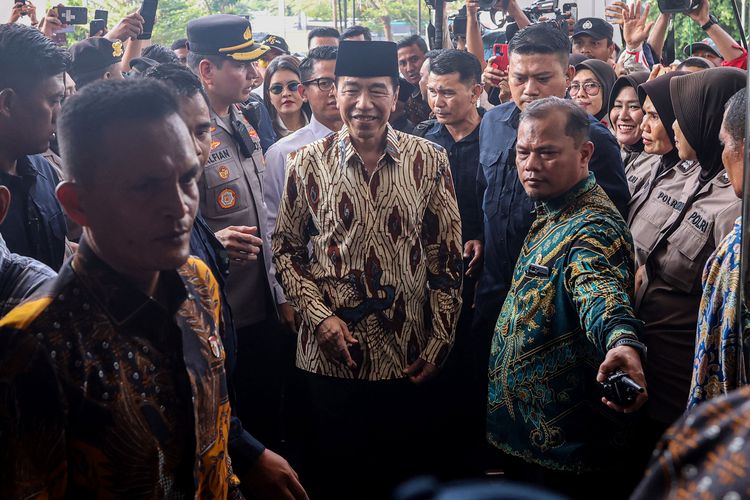
JOKO Widodo has been away from the Presidential Palace for more than two years. However, in political discussions, his name seems to remain ever-present.
When officials change, discussions about Jokowi arise. When parties clash, traces of Solo are sought. When policies provoke protests, questions about who is whispering in their ears quickly surface.
Once, it was said that all roads lead to Rome. In some of our political debates, that road seems to curve toward Solo.
This tendency is not entirely without reason. However, if nearly every event can be explained through a former president, another question emerges: where is the accountability of those currently in power?
Power does not always end when a term expires. Political relationships, habits, and networks of interest can persist beyond changes in government.
Michel Foucault's thinking helps explain why power cannot simply be understood as residing solely in the hands of formal office holders.
Ten years leading a country surely leaves an influence. Moreover, Jokowi's family members still hold public office.
Denying the possibility of informal influence is as careless as assuming every new decision must come from him.
There are historical reasons why society is sensitive. The Constitutional Court's Decision Number 90/PUU-XXI/2023 concerning the age requirements for presidential and vice-presidential candidates, followed by the Honorary Council of the Constitutional Court's Decision Number 02/MKMK/L/11/2023, which imposed sanctions on Anwar Usman removing him from his position as Chief Justice, are part of a political experience that raises issues of trust in the independence of state institutions.
This experience deserves reflection and evaluation. However, that alone does not prove Jokowi's involvement in every policy since the end of his term. Influence may exist; its forms and consequences still need to be explored.
The term “Solo Gang” has become a concise way to describe suspicions of informal power networks. Political jargon is often more memorable than lengthy descriptions of elite relationships.
Such networks do not necessarily need offices, managers, or member lists. Precisely because of their informal nature, scrutiny needs to be more careful: who connects with whom, what actions are taken, and how do those actions influence specific decisions?
Here, David Hume's thoughts about caution in understanding cause and effect become relevant. Just because two events are close does not mean one caused the other.
An official may have once been close to Jokowi, then made a controversial decision. That relationship can be an initial clue, not a final conclusion.
There may be influences, political pressures, or converging interests. But it's also possible that the decision arose from the official's own considerations. Not every mistake requires outside direction.