
Attorney General’s Office Names Arif Kurniawan and PT BSJ as Suspects in Money Laundering Case Related to Nickel in Southeast Sulawesi
-
News
-
9 minutes ago
This article was translated by AI. Read the original article on Kompas.com. See Original
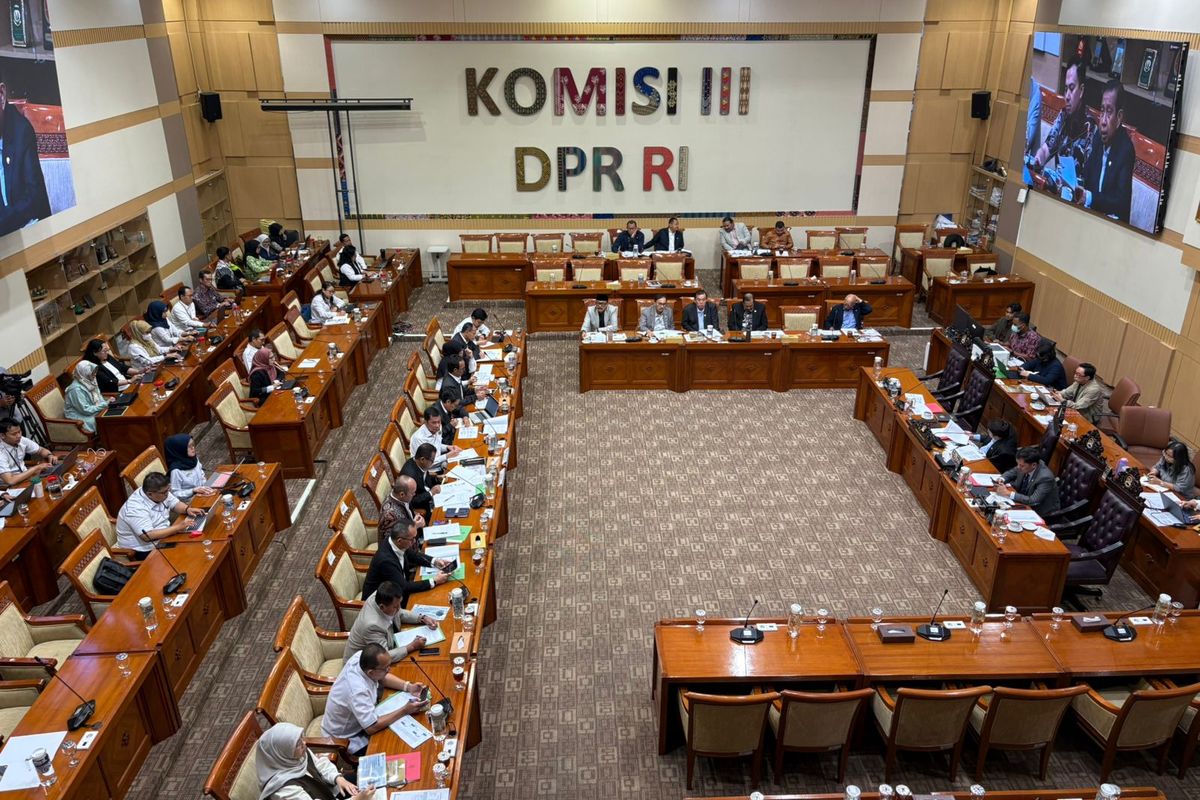
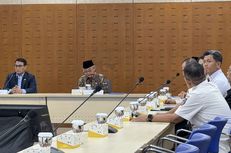
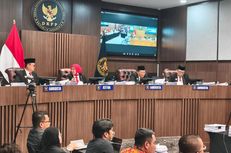
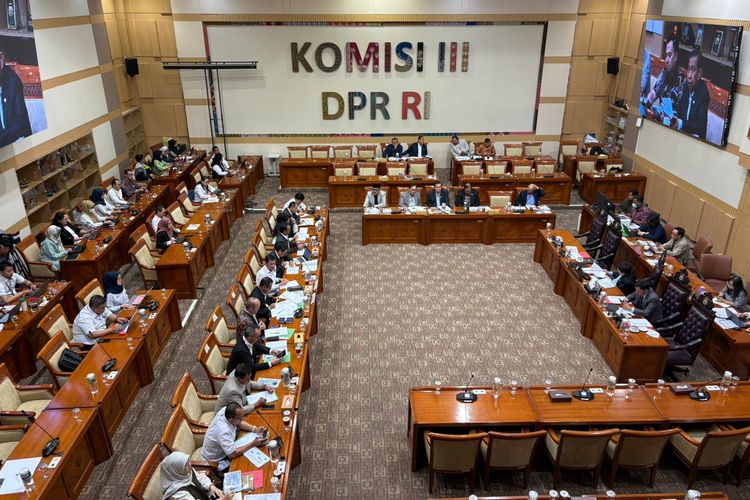
JAKARTA, KOMPAS.com - The Chairman of Commission III of the Indonesian House of Representatives (DPR RI), Habiburokhman, revealed eight key regulations in the Draft Law (RUU) on Asset Forfeiture Related to Criminal Acts during the initial discussions with the government on Thursday (5/11/2026).
The first key regulation relates to the principles and legal foundations of asset forfeiture that must ensure the protection of human rights (HAM) and the constitutional rights of every citizen.
"The principles and legal foundations of asset forfeiture related to criminal acts prioritize justice, legal certainty, proportionality, accountability, utility, and guarantees for the protection of human rights and the constitutional rights of citizens," said Habiburokhman.
The second key regulation concerns the scope of criteria for assets related to criminal acts that can be forfeited, either through criminal rulings or without such rulings.
He explained that the scope of criminal acts covered in this bill does not only include corruption but also various other offenses, including fraud and embezzlement that impact the wider economy.
"Beyond corruption and other criminal acts, this also includes offenses like fraud or embezzlement affecting the economy, such as crimes in financial sectors and investment schemes like Ponzi schemes, financial market manipulation, or fictitious investments," said Habiburokhman.
According to him, these provisions serve as a state effort to recover losses incurred by victims of criminal acts.
"In this case, the forfeited assets must be returned directly to the victims, not to the state," said Habiburokhman.
Nevertheless, he emphasized that the primary focus of the bill remains on asset forfeiture related to corruption.
Other criminal acts are included only to a limited extent due to their similar characteristics to corruption.
"Thus, this law primarily concerns asset forfeiture related to criminal acts of corruption," stated the Gerindra Party politician.
The third key regulation affirms that perpetrators of corruption may face the death penalty.
"This law will clarify that those guilty of corruption can be sentenced to death, with the implementation procedures based on laws regulating criminal acts, criminal law, criminal procedural law, and other legislative provisions," he added.
The fourth key regulation pertains to mechanisms and authorities in asset forfeiture laws without a criminal ruling.
Habiburokhman explained that this mechanism involves several stages, from asset tracing to the execution of court rulings.