

DPR Members Demand Polri to Uncover Key Actors in Scam Syndicate in the Philippines Involving 141 Indonesians
-
News
-
58 minutes ago
This article was translated by AI. Read the original article on Kompas.com. See Original
Within the National Police, the wiretapping procedures are regulated under Regulation Number 5 of 2010 concerning the Procedures for Wiretapping by the Indonesian National Police Monitoring Center.
This regulation encompasses principles of legality, human rights protection, legal certainty, as well as procedures and oversight for wiretapping.
"Based on this regulation, wiretapping is not an authority that can be freely exercised based on personal desires or interests outside law enforcement," Suparji stated.
Thus, the authority to wiretap should be used in accordance with legally justified purposes; positions or access to communication monitoring devices do not automatically grant anyone the right to determine wiretap targets.
From a cybersecurity perspective, Pratama Persadha, Chairman of the Indonesian Cyber Security Research Institute (CISSReC), explained that wiretapping is also related to the governance of the technology systems used by law enforcement.
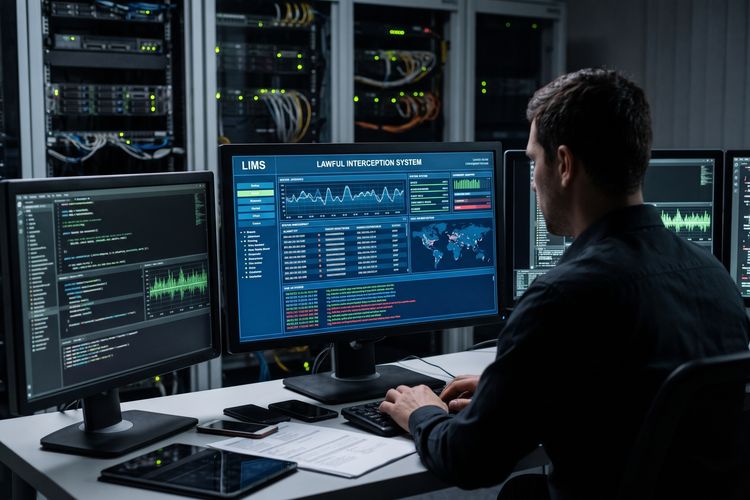
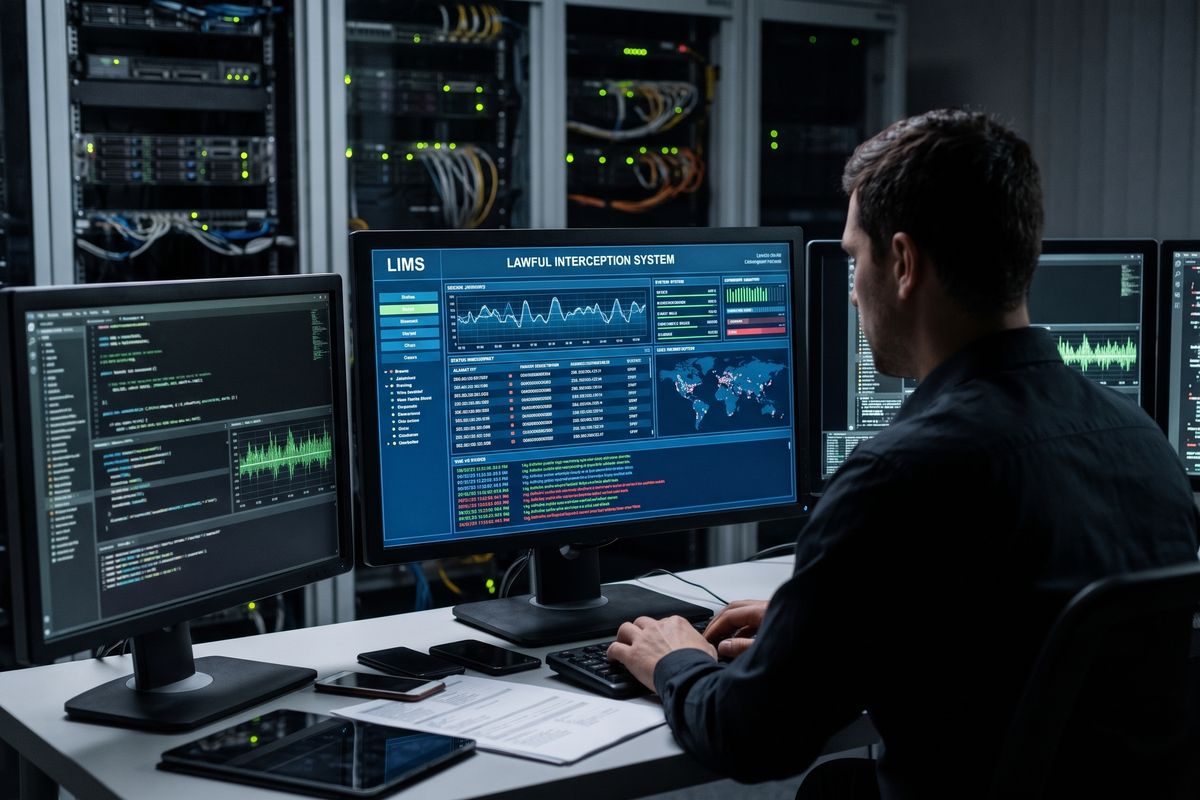
According to a statement from the Criminal Investigation Unit of the National Police on November 3, 2026, several phone numbers were allegedly entered into the Lawful Interception Management System (LIMS) server without proper verification or legal basis for investigation.
LIMS is a platform that connects law enforcement wiretapping needs with telecommunications operator infrastructure.
This system forwards interception instructions to the operator’s network and then copies the target communication to the authorized monitoring center.
The information obtained can include communication content, such as telephone conversations, as well as metadata, including interlocutor numbers, time, duration, and communication patterns.
However, access to communication content depends on the type of service and encryption systems used.
Communications with end-to-end encryption cannot automatically be read just because interception is executed through the operator's network.
Pratama explained that the use of wiretapping systems must be accompanied by access controls, authorization mechanisms, and proper oversight.
"The greatest issue with surveillance technology is not the sophistication of the equipment, but how the authority to operate that equipment is granted, controlled, and monitored," Pratama stated in his remarks on Wednesday.
According to him, several aspects must be considered to prevent misuse of the wiretapping system.
First, limit access rights. The authority to input targets, approve requests, conduct wiretaps, and manage the results should not rest with a single person.