

Prabowo Meets Dasco in a Private Meeting at the Palace, What Was Discussed?
-
News
-
1 minute ago
This article was translated by AI. Read the original article on Kompas.com. See Original
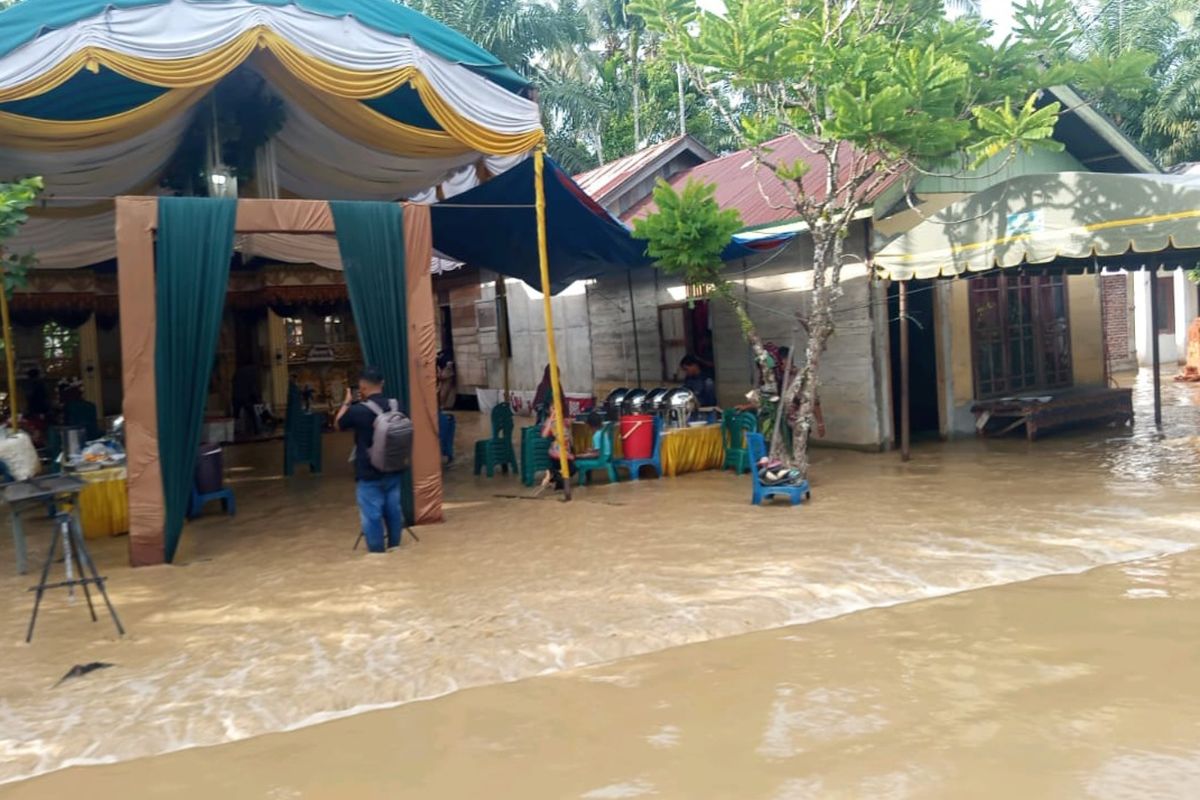
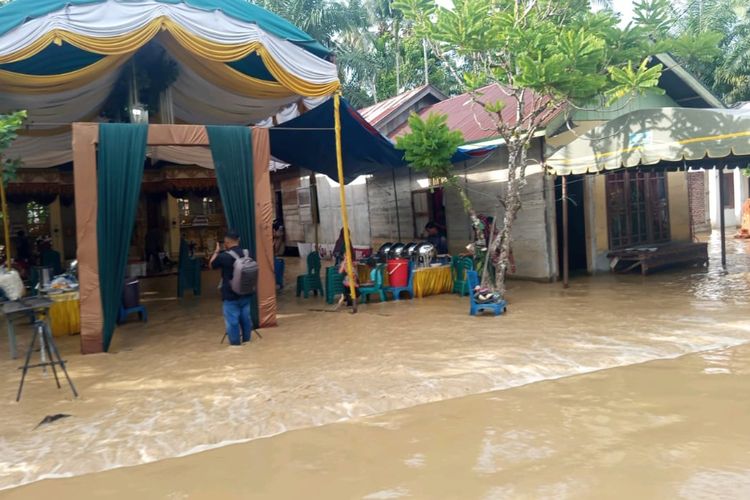
“Law No. 24 of 2007 concerning Disaster Management provides a foundation for the government to conduct comprehensive disaster management, from pre-disaster, emergency response, to post-disaster,” Djohermansyah elaborated.
The acting Governor of Riau from 2013 to 2014 stated that there are several reasons why local governments struggle to manage disasters effectively.
First, there are budget constraints. In preparing their regional budgets, spending on disaster management often prioritizes emergency response and recovery needs.
Meanwhile, mitigation, whose benefits are not always immediately visible, often competes unfavorably with other development programs considered more urgent or easier to showcase publicly.
Second, there is a weak utilization of technology. In fact, technological advancements enable governments to map disaster-prone areas, monitor river flow, detect floods early, and quickly disseminate warnings to communities.
“Without adequate technology and information systems support, local governments will always lag in recognizing signs of impending disasters,” Djohermansyah stated.
Third, there is poor management of natural resources and environmental control.
Forest exploitation, land clearing, damage to watersheds, and development that ignores environmental carrying capacity increase flood risks.
Ironically, oversight of destructive environmental activities often fails to be effective.
Fourth, there are spatial planning issues. Many settlements and buildings are located in disaster-prone areas, including riverbanks and water catchment zones.
“Local governments often hesitate to enforce spatial planning violations because they face economic, social, and even political interests. As a result, disaster risks continue to be perpetuated through negligence,” Djohermansyah remarked.
These various causes present the real challenge. He recognizes that disasters are indeed natural phenomena.
However, the extent of damage is a result of human failure in managing space and the environment.
Furthermore, he proposes that local governments should quickly change their responsive policy paradigm to a preventive one. The aim is to prevent similar disasters from recurring each year.