

Prabowo Gathers Gerindra Cadres in Hambalang, Dasco and KDM Attend
-
News
-
2 hours ago
This article was translated by AI. Read the original article on Kompas.com. See Original
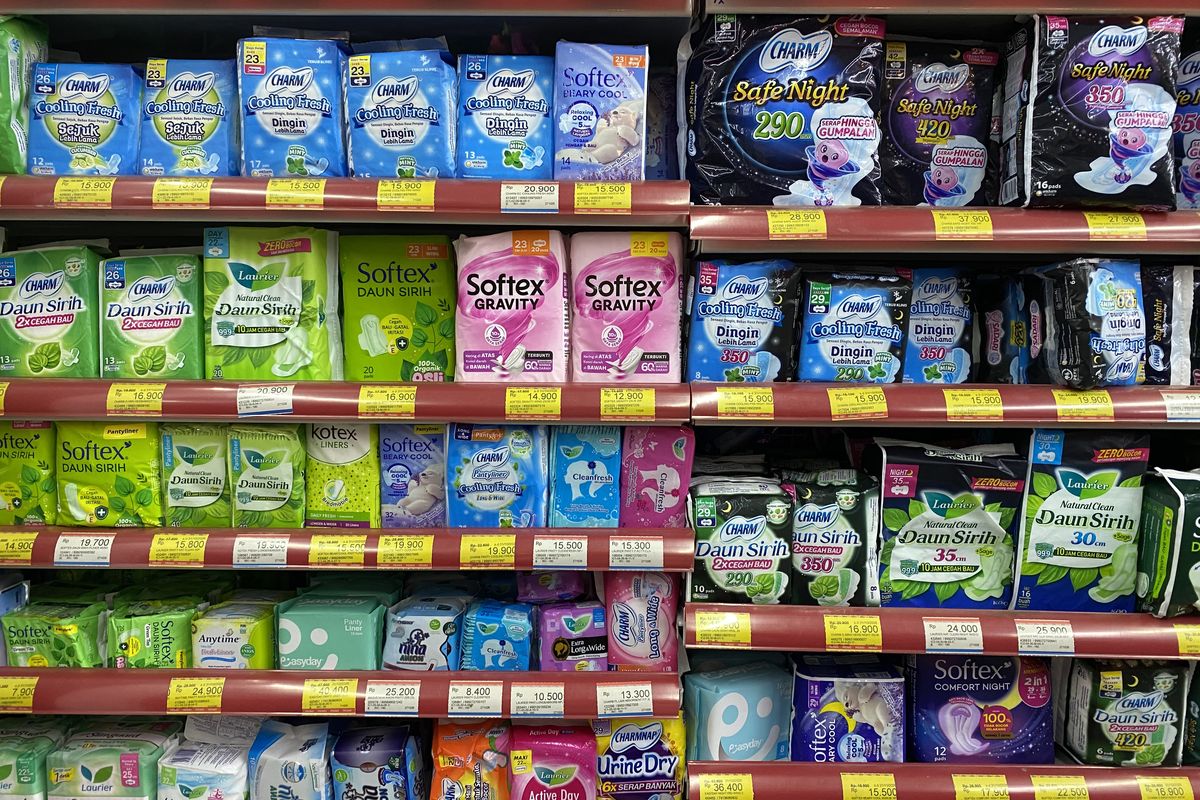
JAKARTA, KOMPAS.com - The government's policy to impose Value Added Tax (VAT) on women's sanitary pads is once again drawing criticism.
These products, essential for maintaining cleanliness and health during menstruation, should not be treated as regular consumer goods.
Various groups are urging the government to eliminate VAT on menstrual products.
This tax not only adds to women’s regular expenses but also has the potential to widen economic disparities and hinder the fulfillment of reproductive health rights.
The call for repeal follows the announcement by the Directorate General of Taxes (DJP) at the Ministry of Finance, confirming that sanitary pads sold in Indonesia are still subject to VAT.
Inge Diana Rismawanti, Director of Dissemination, Services, and Public Relations at the DJP, stated that sanitary pads are not classified as items eligible for VAT exemption under existing regulations.
Sanitary pads sold in Indonesia are generally subject to VAT if the sale complies with applicable tax regulations,” said Inge in a statement to Kompas.com on Thursday (29/10/2026).
Inge explained that consumer goods are generally classified as Taxable Goods (BKP), except for certain types that have been designated as eligible for VAT exemption.
She emphasized that the VAT on sanitary pads is not a tax specifically imposed on women or menstruation but is part of the VAT system for consumer goods.
Inge acknowledged the importance of menstrual products for public health and hygiene.
However, she continued, any proposed changes to tax treatment need to be assessed with consideration for existing regulations, their impact on society, and fiscal implications.
The government's explanation has directly faced demands from several parties to reevaluate the tax treatment of menstrual products.
Niti Emiliana, Chair of the Indonesian Consumer Foundation (YLKI), called on the government to remove VAT on women's sanitary pads.
She stated that menstruation is a biological process that cannot be avoided, making pads a crucial need for women.
Niti believes that taxing such products could increase the regular financial burden, especially for low-income women.