
Golkar: Gibran Should Publicly Announce His Resignation if He Wishes to Step Down
-
News
-
4 minutes ago
This article was translated by AI. Read the original article on Kompas.com. See Original
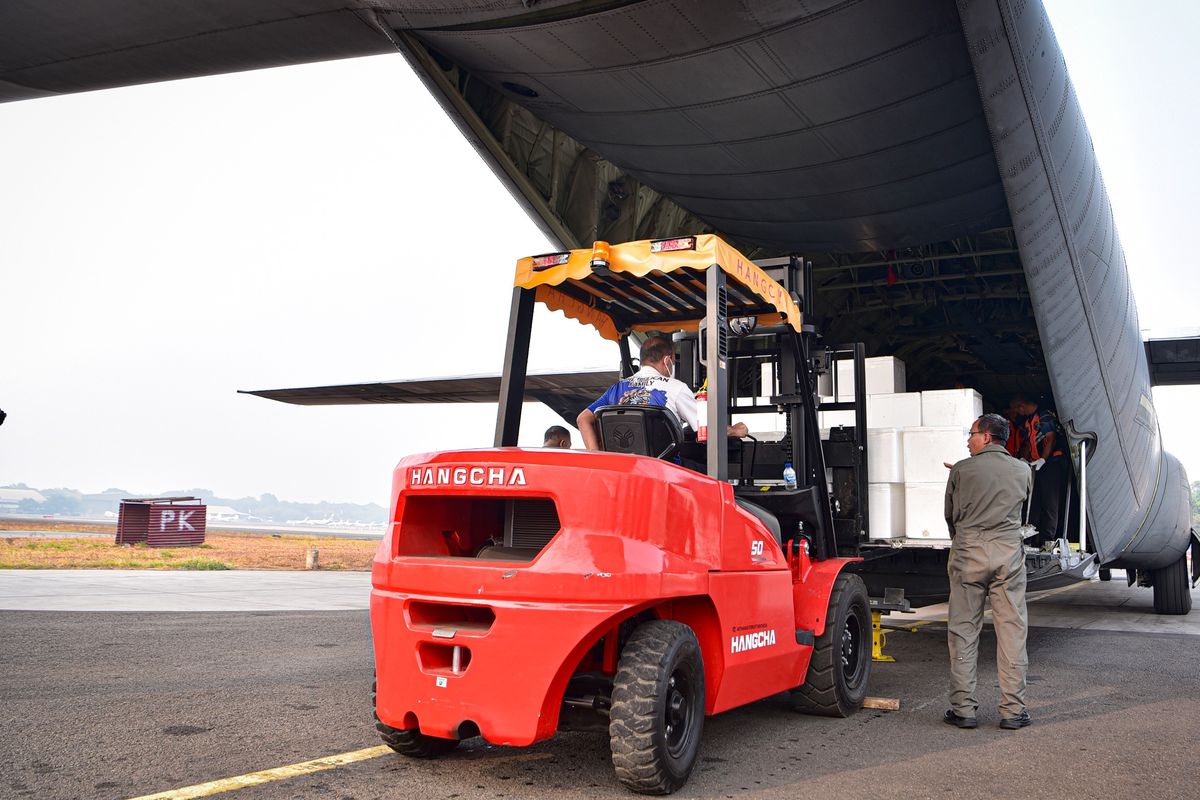
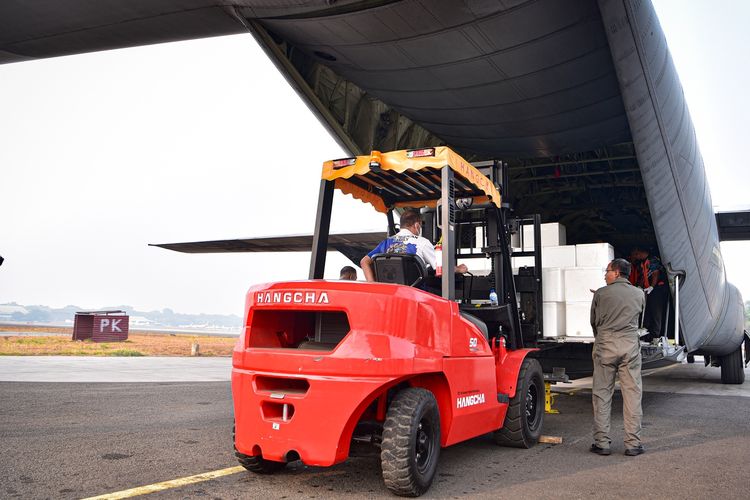
TASIKMALAYA, KOMPAS.com - When the Indonesian Air Force (TNI AU) transport planes deliver aid to disaster victims, public attention often focuses on the aircraft and the assistance being provided.
However, there is significant work happening on the ground before the planes embark on their missions.
Fuel must be prepared, supplies need to be loaded onto the aircraft, and cargo has to be managed upon arrival at the destination.
This work is part of the duties of support troops who ensure the smooth operation of air missions, whether for Military Operations in War (OMP) or Non-War Military Operations (OMSP).
One of the key elements of this role is developed through training at the 600th Wing of Supply Education (Wingdik 600/Kal) in Tasikmalaya, West Java.
“(TNI AU support personnel) from Sabang to Merauke participate in training here. So, this is a center of excellence for training in the TNI Air Force supply field,” said Colonel Rado Parulian Purba, Commander of Wingdik 600/Kal, during a visit to Wingdik 600/Kal in Cibeureum, Tasikmalaya, on Tuesday (20/10/2026).
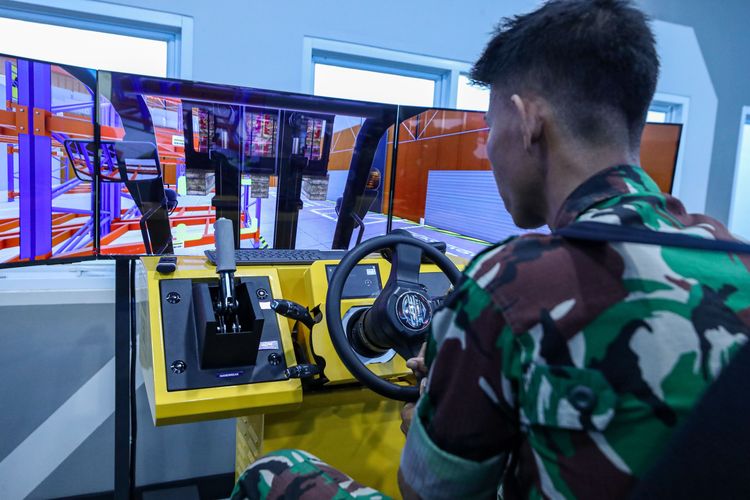
In one educational facility, prospective support personnel practice using simulators before operating similar equipment at their respective units.
There are four types of simulators: refuellers, forklifts, towing tractors, and cargo loaders.
The refueller is used to transfer fuel from storage tanks to the aircraft.
The forklift aids in lifting heavy items, including engine components.
The towing tractor is employed to pull equipment, while the cargo loader facilitates the loading and unloading process of aircraft cargo.
For the trainees, simulators provide a space to learn how to operate equipment before executing their duties in operational units.
Rado explained that the training generally lasts for two months. Before practical sessions, students first receive classroom instruction.
After completing their training, they return to their units to apply the skills they have learned.
“Once they finish this education, they can carry out their duties and implement what they’ve learned in their units,” Rado stated.