

Minister: Harapan Kita Hospital Achieves Financial Independence and BPJS Patient Subsidies
-
News
-
2 hours ago
This article was translated by AI. Read the original article on Kompas.com. See Original
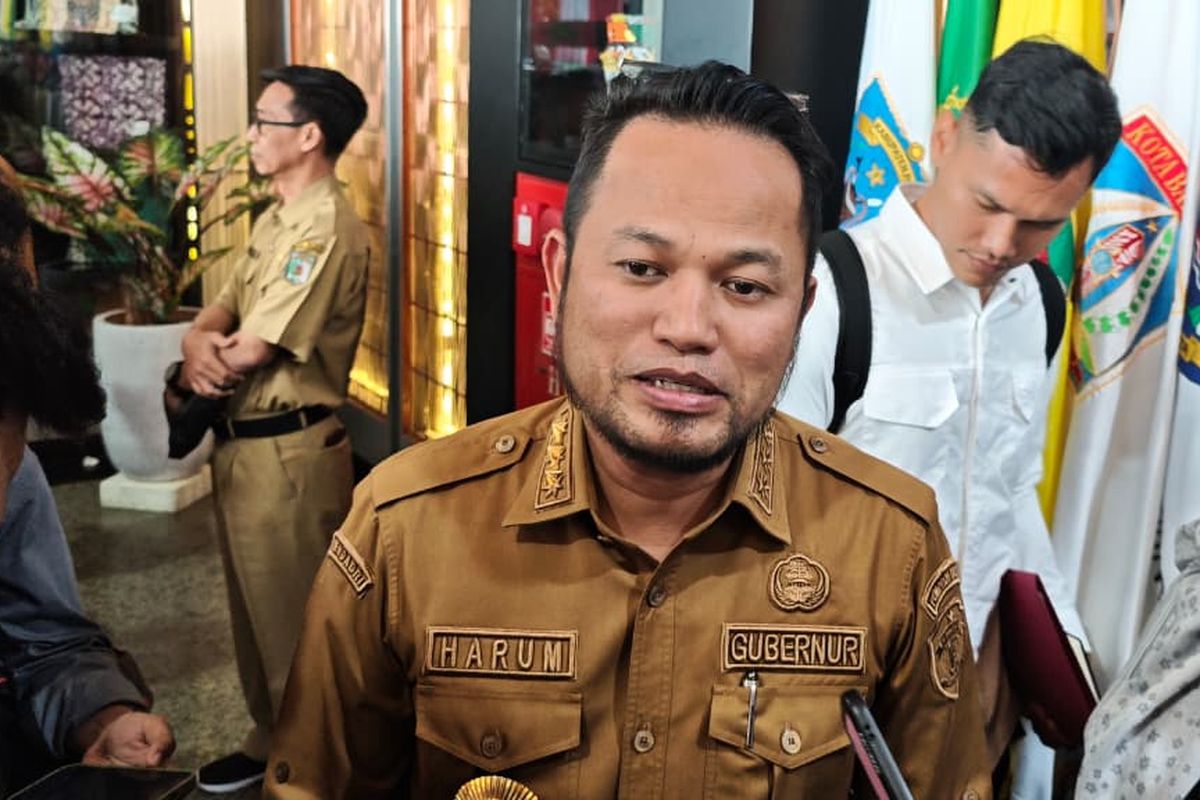
Horizontally, oversight is carried out by regional legislative councils, while vertically it is done by the Minister of Home Affairs.
Irawan believes that existing regulations adequately govern the travel mechanisms for local leaders.
What needs consideration is the selectivity in granting permissions and the leaders' capability to prioritize their actions.
“I think the regulations are good. It’s really about how permissions are granted selectively and whether local leaders understand the priorities and urgencies,” he said.
Deddy commented that everyone has the right to choose where and which medical professionals handle their health care.
However, he argued that a governor’s status as a public official means their decisions come with different consequences than those of an average citizen.
“By opting for medical treatment abroad without disclosing his condition while his constituents are suffering from smoke disasters, it is reasonable for the public to question this,” Deddy said.
Deddy added that if the trip was merely for a routine health check, choosing to go abroad during a disaster period raises valid concerns.
“If it’s just a health check, I think that action is very careless and excessive,” Deddy stated.
The debate surrounding Rudy's trip also pertains to the expectations of accountability from local leaders.
In disaster situations, the public evaluates not only whether officials have followed regulations but also how their decisions and actions reflect their responsibilities to citizens.
Agustinus Subarsono, a lecturer at the Department of Management and Public Policy at Gadjah Mada University (UGM), noted that local leaders bear responsibilities that extend beyond mere legal compliance.
He identified three dimensions of accountability that public officials must consider: legal, political, and moral accountability.
Legal accountability relates to adherence to regulations, including following permitting procedures.
Political accountability pertains to the obligation of officials to be answerable to the society they lead.
Moral accountability involves honesty and commitment to ethics in carrying out their roles.
“Local leaders are required to be legally accountable by obtaining permissions from their superiors, but they must also demonstrate political accountability by justifying their actions to the citizens they lead, particularly their constituents,” Agustinus told Kompas.com on Wednesday (14/10/2026).
He argued that having permission from the central government does not negate questions about the appropriateness of a local leader's decisions when their community is facing a disaster.
“Permission for general health check-ups abroad may fulfill the legal formalities, but on the other hand, it indicates a low sensitivity and empathy from local leaders toward their community,” he asserted.
Agustinus added that decisions made by public officials that disregard community situations can erode public trust in their leadership.
While a local leader maintains legal legitimacy while serving their term within the rules, social trust must also be fostered through decisions that favor public interests.
“Public criticism of a local leader traveling abroad while their citizens are in crisis is both natural and warranted because they are paid by the people's money and the public has the right to demand that they prioritize public interest,” Agustinus stated.
He emphasized that criticism in such circumstances should not merely be viewed as an emotional response.