

Minister: Harapan Kita Hospital Achieves Financial Independence and BPJS Patient Subsidies
-
News
-
3 hours ago
This article was translated by AI. Read the original article on Kompas.com. See Original

The subsequent paradox arises when human development is measured by the volume of activities while the success of the individuals themselves remains underappreciated.
The government may be busy implementing programs, yet young generations still struggle to find their way to independence.
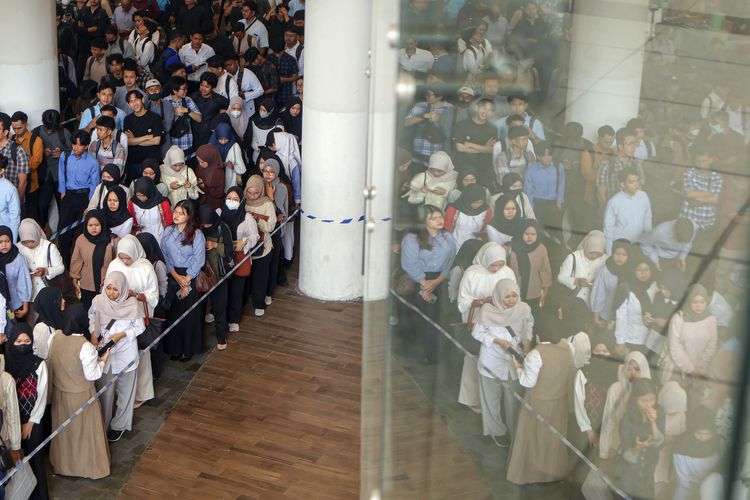
The term “working-age” is simply a demographic grouping.
A person in this category is not necessarily employed, has the necessary skills, or earns adequate income.
According to an ANTARA report on the Deputy Minister’s statements at the same event, having a productive-age population only becomes a benefit if it is complemented by skills, job opportunities, and productivity increases.
Therefore, economic growth should also be evaluated based on its capacity to create quality jobs.
Investments that boost production need to establish connections with local suppliers, absorb the workforce, and strengthen domestic technological capabilities.
Value addition must occur in skills and community incomes.
Similarly, in the digital economy.
Young generations require opportunities to develop technologies, build businesses, and produce products. If they remain mere consumers, a large population more easily turns into a market for the productivity of other countries.
The most urgent solution is to shorten the distance between education and employment.
The government, universities, vocational schools, and companies need to establish clear pathways from learning to work experience and placement.
Curricula must be updated through regular dialogue with the business sector. Internships should adhere to competency standards, mentorship, and evaluations.
Training needs to be linked to genuine recruitment needs or business opportunities.
Success should be measured by the jobs acquired by participants, income growth, and career resilience.