

On Vice Presidential Election in the MPR, PKB: If Possible, Consensus
-
News
-
34 minutes ago
This article was translated by AI. Read the original article on Kompas.com. See Original
Thus, the DPR is not an institution that can independently dismiss Gibran. The rights to inquiry are not a shortcut to impeachment.
However, the DPR plays a vital role in ensuring that there is sufficient basis for this constitutional process.
This is where Article 7A cannot be read as constitutional decoration. If evidence later shows that the office requirement has indeed not been fulfilled, the removal mechanism must be treated as a tangible constitutional option, not something taboo merely because it involves the vice president.
This matter does not only concern Gibran. It also relates to the integrity of the Ministry of Education, KPU, Bawaslu, and the entire presidential and vice-presidential nomination system.
If the equivalency letter was issued correctly and the legal requirements are genuinely met, the relevant institutions must be able to explain this with open and verifiable evidence. A clear explanation will instead resolve this polemic.
Conversely, if mistakes are found in the issuance of documents, verification of nominations, or electoral oversight, accountability must occur according to each institution's authority.
It is not enough to simply state that documents have been received or decisions taken.
Democracy must not rely on the hope that every official is always right. Democracy requires mechanisms to scrutinize officials and institutions when reasonable doubts arise.
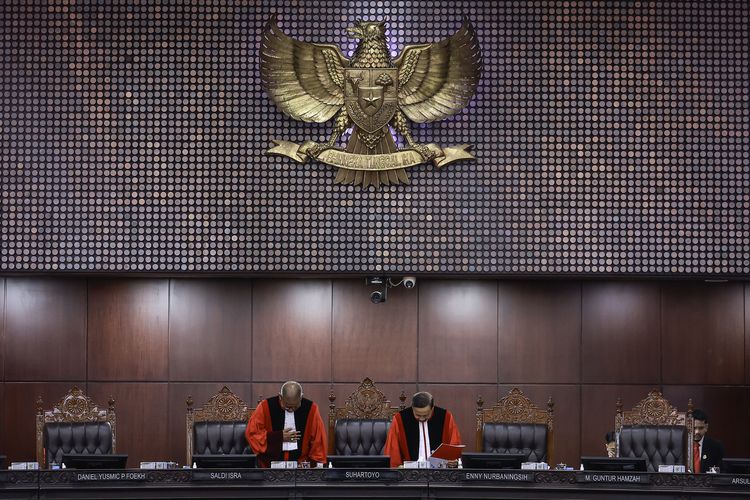
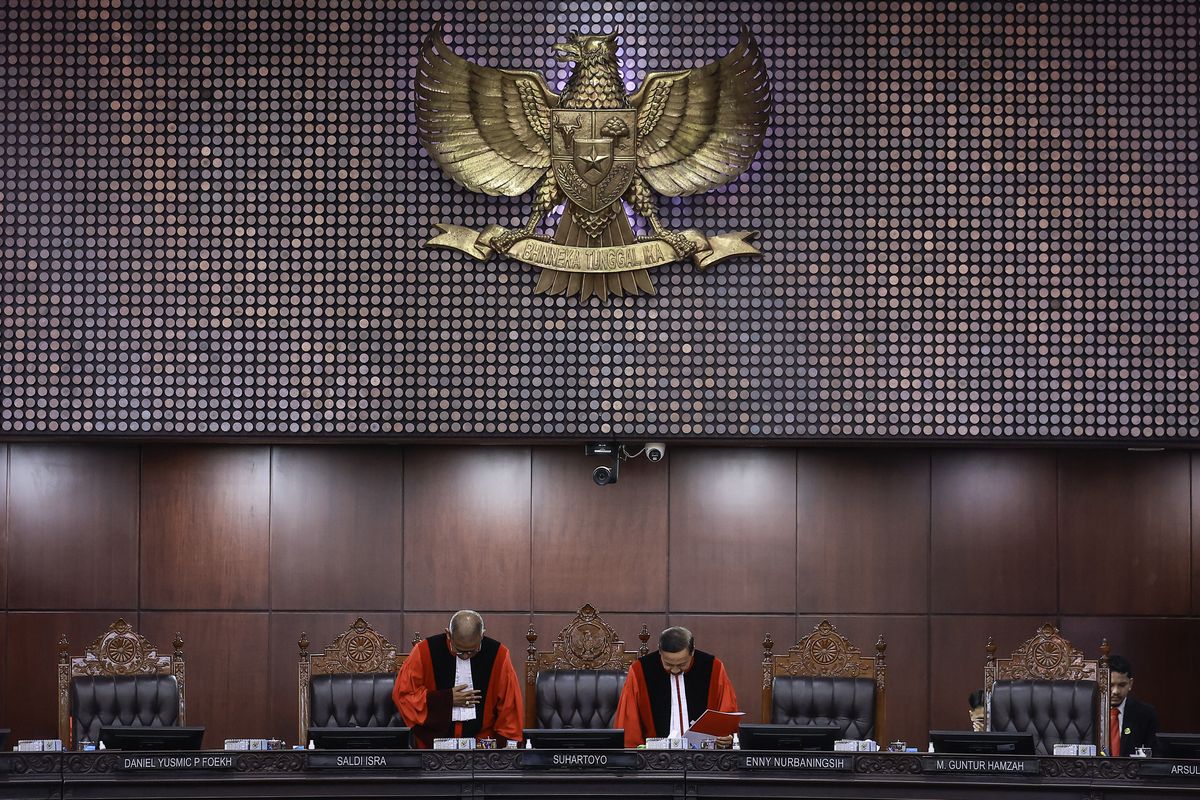
The MK's ruling has provided strong reasons to investigate this matter, but it does not provide grounds to declare Gibran automatically guilty or to be dismissed. Such conclusions must arise from proper legal processes.
Now the DPR faces a political and constitutional test. Will this representative institution seek explanations, uncover documents, examine the issuance process of the equivalency letter, and scrutinize how the KPU verifies candidate qualifications?
Or will the DPR choose silence because this matter touches the power circle?
If the DPR finds sufficient basis, the mechanisms outlined in Articles 7A and 7B of the 1945 Constitution are open for consideration.
If there are signs of forged documents or fulfilled criminal elements, the law enforcement pathway must also take action.
If no violations are found, the results of the investigation must be publicly announced transparently to give certainty to the public.
All of this must be carried out without political prejudice and without protection for anyone.
Because the vice presidential office is not a family right, nor a political gift, nor an area shielded from legal scrutiny. This office arises from elections that must adhere to legal requirements.
The MK has stated that it does not find convincing evidence regarding the contested graduation documents. This ruling does not resolve all substantive questions.
Now the DPR and other authorized institutions must demonstrate whether the state has the courage to address this issue. We must not let the law stop at the door of power.

























