

Chair of Commission III of the House of Representatives Calls East Java Police Chief to Monitor Case of Bullying Against High School Student in Malang
-
News
-
7 minutes ago
This article was translated by AI. Read the original article on Kompas.com. See Original
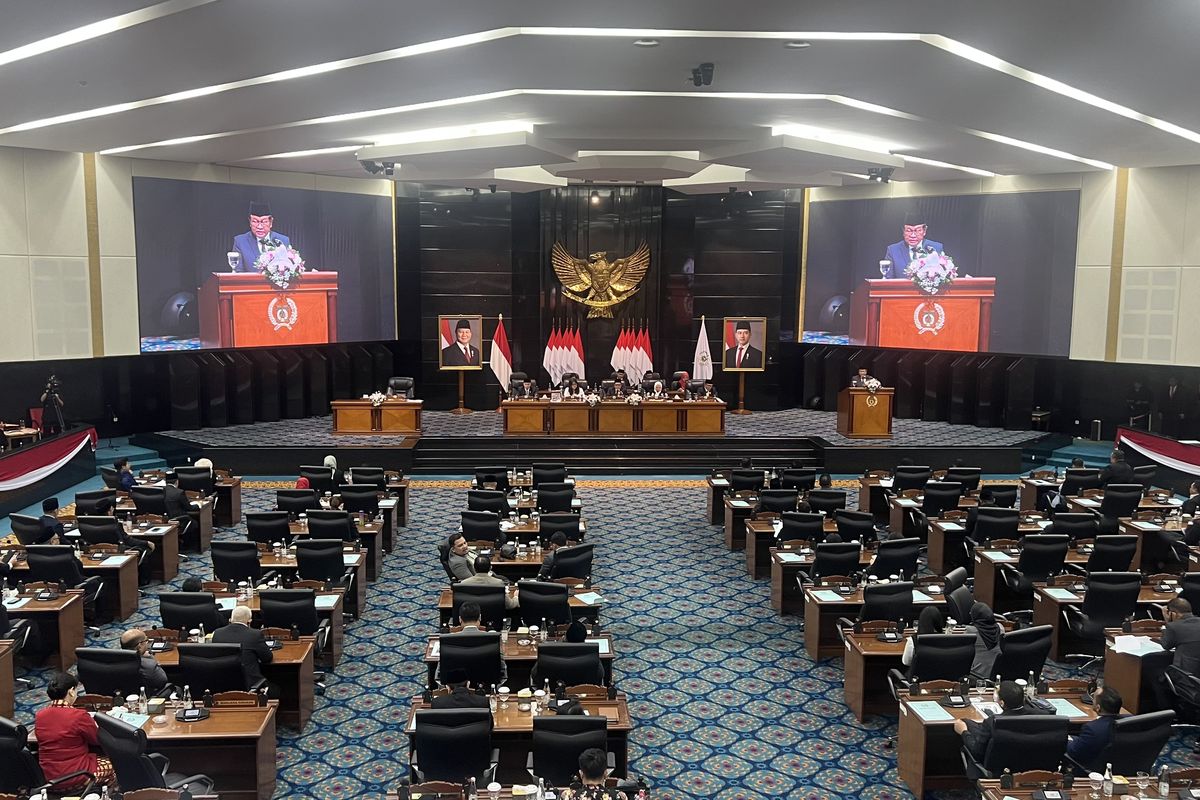
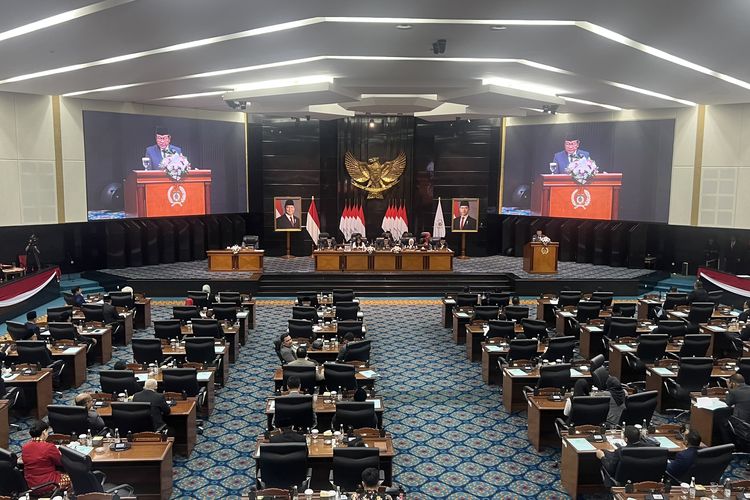
JAKARTA, KOMPAS.com - The change of Jakarta's status from special capital region to special area brings consequences for several provisions concerning local government administration, including the number of members in the Regional People's Representative Council (DPRD).
Recently, due to this change, DKI Jakarta's DPRD is pushing for an increase in the number of seats to 180-220.
This proposal arises amid the potential decrease in the number of Jakarta's DPRD members from 106 to 85 seats in the 2029 Election, following changes in the regulations under Law Number 2 of 2024 concerning the Special Capital Region of Jakarta.
Jakarta Governor Pramono Anung stated that the DPRD is not actually requesting an increase in seats, but rather a return to the seat count as it was in the 2024 Election.
Regardless of this controversy, is there a need to adjust the DPRD seats? What would be the ideal number?
Political observer from UIN Syarif Hidayatullah Jakarta, Adi Prayitno, believes that the necessity for adjusting the number of seats should be evaluated based on purpose.
According to Adi, if the increase in DPRD seats aims to absorb the people's aspirations and bring the council closer to voters, then an increase makes sense as it has positive implications.
"Conversely, if people’s aspirations are consistently unheard and the council remains distant from its constituents, increasing the DPRD is irrelevant as it only burdens the local budget," Adi said to Kompas.com on Tuesday (13/10/2026).
Adi suggests that there are several indicators that can serve as parameters for this consideration.
In addition to the population percentage, increases must consider the council members' ability to represent and absorb public aspirations.
Moreover, Adi argues that the impact of this increase on the relationship between representatives and the public must also be scrutinized.
With more council members, will they become more responsive to the people's demands, or the opposite?
"Does increasing DPRD seats lead its members to be more fearful of the electorate? This must be examined. There has been a perception that the council only works every five years and often neglects the public’s aspirations," Adi elaborated.
Political observer and member of the National Committee for Independent Election Monitoring (KIPP) Indonesia, Jojo Rohi, argues that the discourse of adding DPRD seats should be preceded by an evaluation of the institutional performance.
Only after that should the potential representation gap between council members and the community they represent be identified.

























