

Chair of Commission III of the House of Representatives Calls East Java Police Chief to Monitor Case of Bullying Against High School Student in Malang
-
News
-
3 minutes ago
This article was translated by AI. Read the original article on Kompas.com. See Original
He believes that evaluation allows the main issues to be clearly seen, whether it is a shortage of members or the need for improvements in institutional performance quality.
"For me, the order must be clear: evaluate performance first, identify the representation gap, then discuss the number of seats," said Jojo.
Jojo sees such evaluation as crucial since adding seats essentially increases institutional capacity.
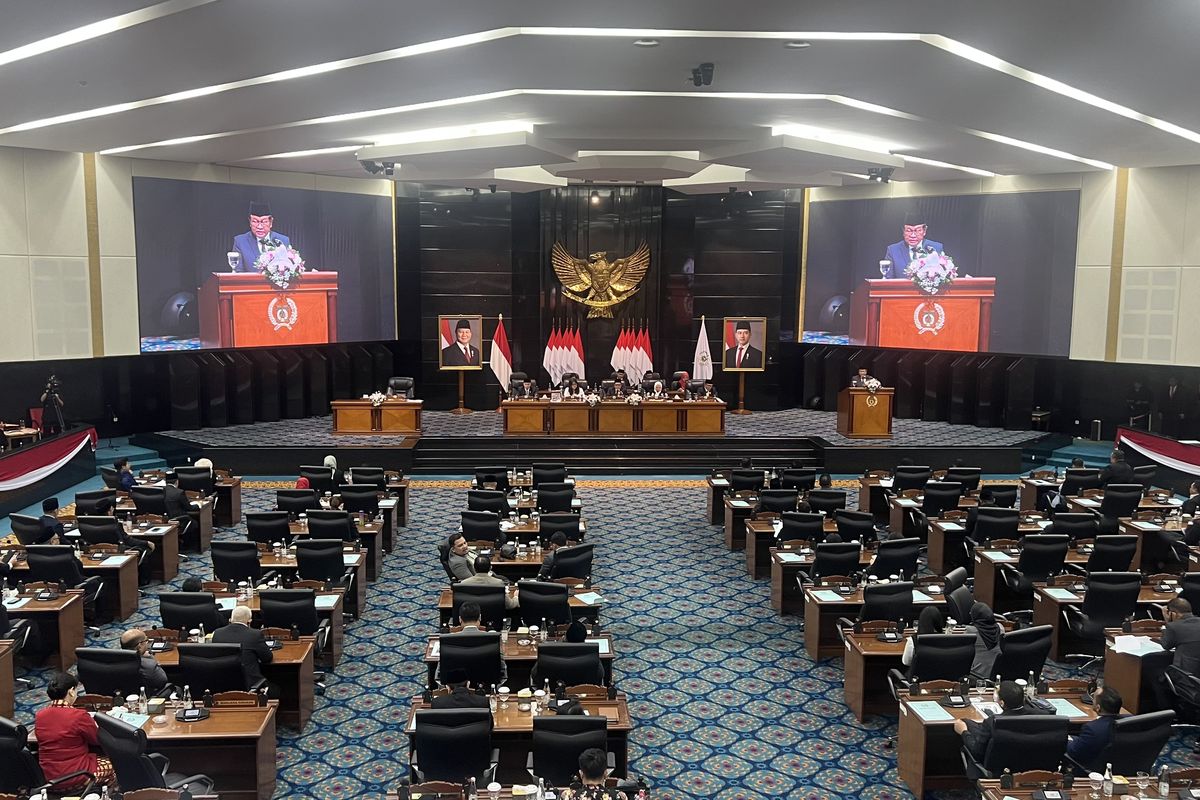
The DPRD Jakarta's argument claiming that their workload is overwhelming due to representing around 11 million residents and the absence of a city/county DPRD must be scrutinized.
"The DPRD must show the cause-and-effect relationship; which aspects of representation, legislation, budgeting, and oversight cannot be optimally implemented due to member shortages?" he questioned.
Additionally, Jojo recommends auditing the existing 106 DPRD members. He states that an audit should not merely calculate meeting frequency, local regulations, recesses, or work visits conducted.
The audit should aim to measure outcomes, such as how effectively citizen aspirations are addressed, the quality of local regulations produced, oversight of the regional budget and government policies, and the responsiveness of council members to their constituents.
If evaluations prove that the 106 members indeed face structural overload, and measured additional members can improve representation quality, then the seat increase would have rational grounds.
"But if the main problem resides in performance quality and institutional design, adding seats risks merely enlarging the parliament without enhancing its effectiveness," he asserted.
He does not wish for this issue to result in misdiagnosis.
Jojo emphasizes that increasing seats or the number of parliament members does not automatically solve the underlying issues, particularly when they lie in performance quality, productivity, member capacity, effectiveness of recesses, follow-up of aspirations, and poor oversight quality.
"The ultimate goal is not to make Jakarta's DPRD larger. The ultimate aim is to make the political representation of Jakarta’s residents more effective," he stated.
Meanwhile, Professor Djohermansyah Djohan from the Institute of Home Affairs (IPDN) argues that Jakarta's DPRD does not need to become "overweight." He warns against the justification of strengthening people’s representation leading to bloated political institutions and budget waste.
Moreover, the addition of 74 to 114 seats does not necessarily ensure that the voices of Jakarta's citizens will be better represented.
While Jakarta has five administrative cities and one administrative district, he points out that these six areas are not autonomous regions.

























