

Amran Vs Sugiono: Analysts Weigh Public and Elite Acceptability
-
News
-
1 hour ago
This article was translated by AI. Read the original article on Kompas.com. See Original
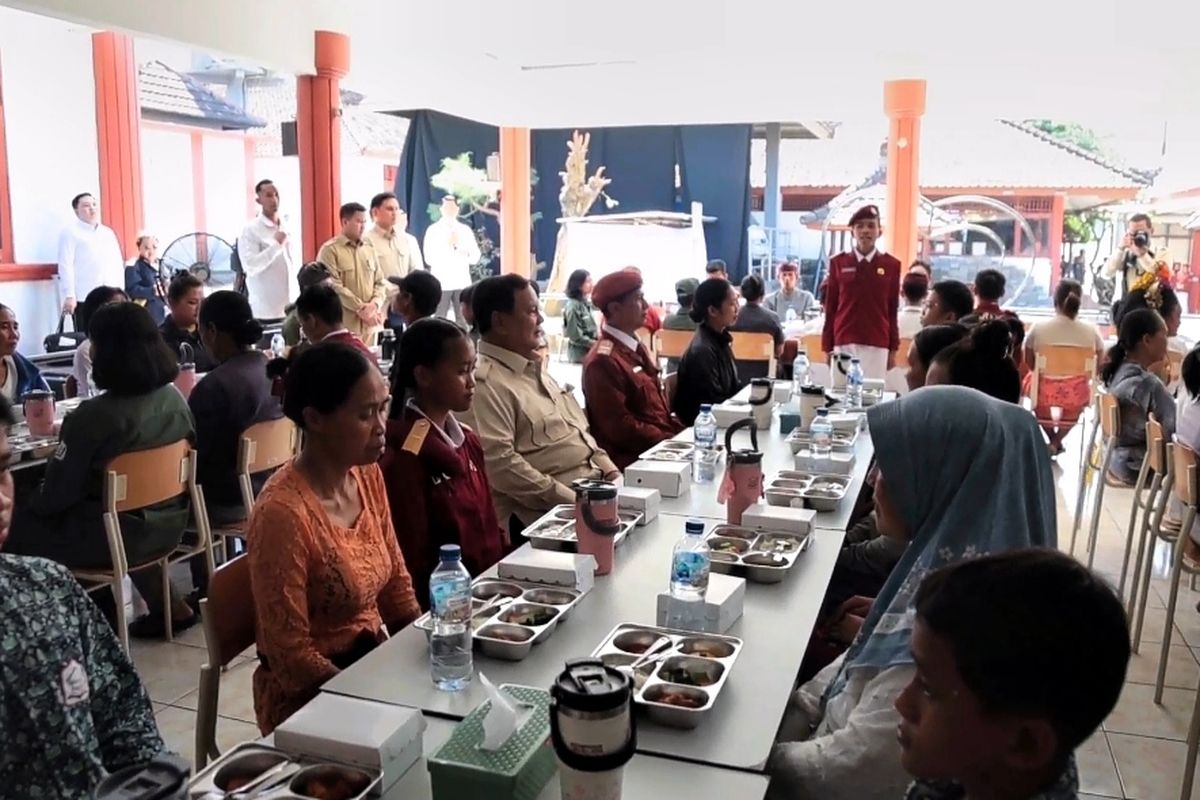
A key focus is the provision of nutritious food in schools, which not only supports children's health but also their learning and development processes.
This resolution also pays special attention to the nutritional needs of pregnant and breastfeeding mothers, the protection of children in conflict situations, and humanitarian emergencies.
It includes strengthening international cooperation, especially to assist developing countries still facing resource limitations and capacity in addressing malnutrition.
"This success is inseparable from Indonesia's active role during negotiations. Indonesia has continually promoted dialogue and bridged the various perspectives of member states, so this resolution can be accepted by all UN Human Rights Council members without opposition," stated the Indonesian Ministry of Foreign Affairs.
This resolution underscores the importance of viewing children's nutritional needs as a collective agenda requiring commitment and concrete actions at the national level, along with support through international cooperation.
Spokesperson for the Ministry of Foreign Affairs of Indonesia, Yvonne Mawengkang, stated that MBG is the inspiration behind the resolution supported by 80 member states of the UN Human Rights Council.
This includes the selection of a theme related to children's access to nutritious food.
"The resolution theme has been aligned with Indonesia's priority program, namely Free Nutritious Food, aimed at improving nutritional status and human resource quality, particularly for children," she told Kompas.com on Saturday (12/1/2026).
She explained that the resolution on access to nutritious food for children reflects Indonesia's commitment to advancing human rights in accordance with the Convention on the Rights of the Child (CRC) and the International Covenant on Economic, Social and Cultural Rights (ICESCR), as well as achieving the SDGs.
"This resolution encourages countries to strengthen policies and programs in addressing the root causes of food insecurity and malnutrition," she said.
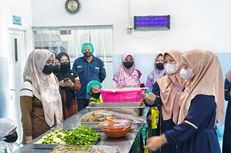
Concrete efforts will be made following the successful adoption of the resolution, including through a national school meal program that empowers local food production, as well as through the exchange of best practices and experiences, and capacity-building cooperation.
"The resolution also encourages increased support from OHCHR, UNICEF, WHO, FAO, WFP, and related UN bodies," she added.
Domestically, this resolution will be implemented through coordination among national stakeholders including the Ministry of Foreign Affairs, Coordinating Ministry for Human Development and Culture, Ministry of Women's Empowerment and Child Protection, Ministry of Agriculture, Ministry of Law and Human Rights, Ministry of National Development Planning/Bappenas, and BGN.
"The active involvement of these stakeholders is aimed at ensuring the substance of the draft resolution aligns with national policies and programs in children's nutrition, food security, and child rights protection," she concluded.