

Amran Vs Sugiono: Analysts Weigh Public and Elite Acceptability
-
News
-
2 hours ago
This article was translated by AI. Read the original article on Kompas.com. See Original
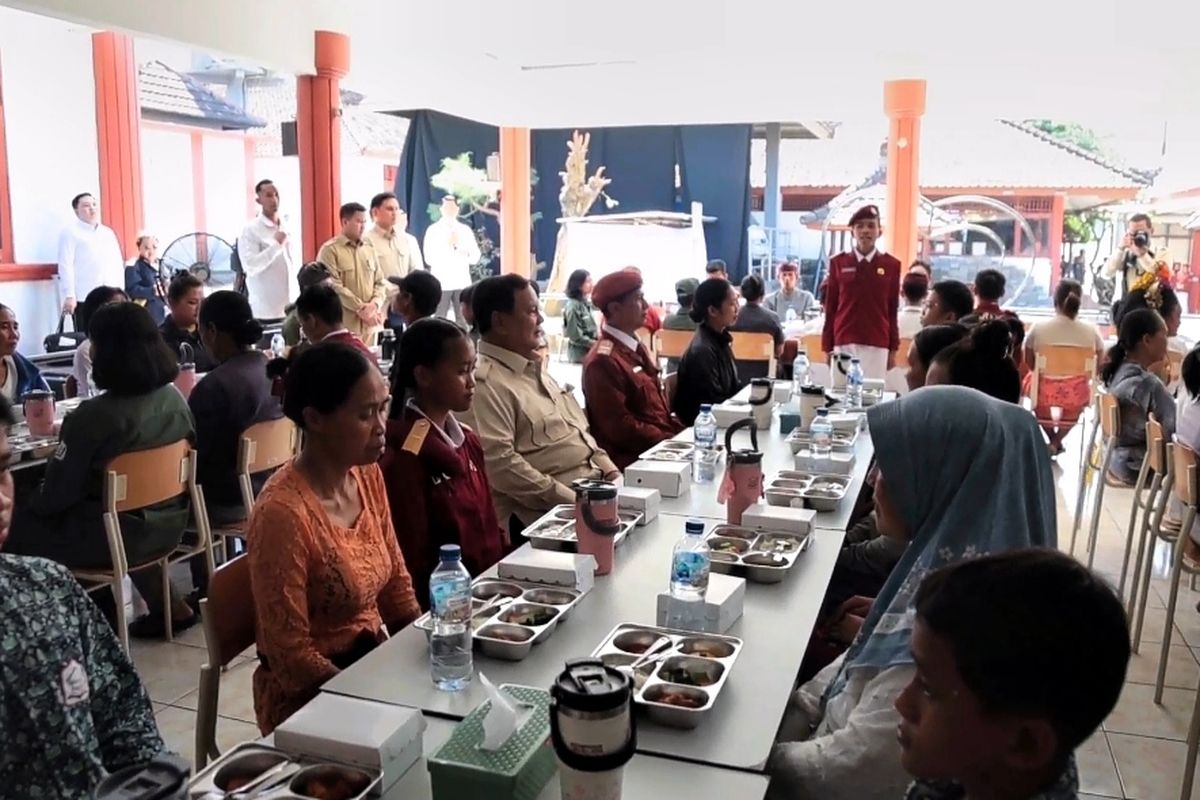
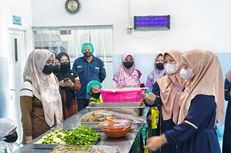
JAKARTA, KOMPAS.com - Originating from the aspirations of President Prabowo Subianto, the Free Nutritious Food (MBG) program has been established as a top priority in the current government agenda.
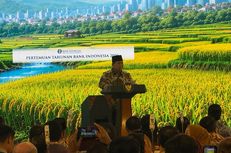
"We continue to provide Free Nutritious Food to build a healthy, outstanding, and intelligent generation of Indonesians," said Prabowo during the Pancasila Day ceremony at the Pancasila Building, Ministry of Foreign Affairs, on Monday (1/6/2026).
Over two years, various challenges in the implementation of this program have been recorded, from cases of food poisoning, issues of corruption, to governance that requires improvement.
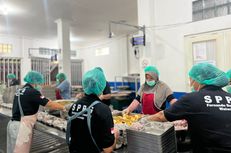
In line with the ongoing challenges and obstacles, the National Nutrition Agency (BGN) has also been reforming, introducing new buffet-style presentations, expanding outreach, and changing leadership.
Many Nutrition Fulfillment Service Units (SPPG) have been suspended due to negligence, alongside strict actions taken against legal violations within the BGN itself.
However, beyond the dynamics of implementing the MBG program which continues to evolve domestically, the narrative of aiming for access to nutritious food is consistently promoted by President Prabowo Subianto on the global stage.
The narrative regarding MBG is frequently reiterated by President Prabowo Subianto, not only during speeches domestically but also in international meetings.
Special Staff to the Minister of Foreign Affairs for Strengthening Multilateral Issues, Tri Tharyat, mentioned on September 17, 2026, that this narrative is indeed often repeated by Prabowo.
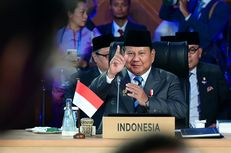
One of the most memorable instances was when Prabowo discussed this during the 80th United Nations General Assembly in New York.
"If we look at last year's UN General Assembly, he also spoke about flagship programs (including MBG)," said Tri at a press conference.
He explained that domestic flagship programs were also presented during the BRICS Summit in India, as well as in several forums recently.
The integration of MBG in international forums is often introduced in conjunction with access to nutritious food for children.
At the BRICS forum in India, this intersected with the grain initiative, a movement to anticipate food supply chains in various countries.
"Certainly, in the context of BRICS, the discussions surrounding the BRICS Grain Initiative are quite interesting," he said.
Tri elaborated that this movement encourages ensuring food supply chains, particularly for BRICS members, remain secure.
Learning from the food crisis due to the Ukraine-Russia war, which disrupted wheat supply chains in several countries, including Indonesia.
"So all the countries during the recent summit also shared their products or flagship programs," he said.
Within BRICS, the introduction of MBG did not elicit much response.
Tri stated that after Prabowo presented the MBG program, there was no rejection from member countries.
"However, there were definitely no comments we heard opposing or differing in opinion on the President's flagship programs," he remarked.
Aside from President Prabowo, Indonesia's Foreign Minister Sugiono also expressed similar sentiments at the UN Human Rights Council meeting in February 2026.
Having been repeatedly introduced as a program for sustainable development goals (SDGs) in line with global agendas, MBG has transformed into an inspiration for a resolution in the United Nations Human Rights Council.
As President of the UN Human Rights Council, Indonesia successfully pushed for a resolution themed "Enhancing Equal Access of Children to Adequate Nutritious Food" during the 63rd session of the UN Human Rights Council.
This resolution was supported by 80 member states from various regions and will be adopted as a milestone in multilateral agreements regarding children's access to food.
Through this resolution, countries are urged to strengthen policies and programs to ensure all children can obtain nutritious food equitably.
A key focus is the provision of nutritious food in schools, which not only supports children's health but also their learning and development processes.
This resolution also pays special attention to the nutritional needs of pregnant and breastfeeding mothers, the protection of children in conflict situations, and humanitarian emergencies.
It includes strengthening international cooperation, especially to assist developing countries still facing resource limitations and capacity in addressing malnutrition.
"This success is inseparable from Indonesia's active role during negotiations. Indonesia has continually promoted dialogue and bridged the various perspectives of member states, so this resolution can be accepted by all UN Human Rights Council members without opposition," stated the Indonesian Ministry of Foreign Affairs.
This resolution underscores the importance of viewing children's nutritional needs as a collective agenda requiring commitment and concrete actions at the national level, along with support through international cooperation.
Spokesperson for the Ministry of Foreign Affairs of Indonesia, Yvonne Mawengkang, stated that MBG is the inspiration behind the resolution supported by 80 member states of the UN Human Rights Council.
This includes the selection of a theme related to children's access to nutritious food.
"The resolution theme has been aligned with Indonesia's priority program, namely Free Nutritious Food, aimed at improving nutritional status and human resource quality, particularly for children," she told Kompas.com on Saturday (12/1/2026).
She explained that the resolution on access to nutritious food for children reflects Indonesia's commitment to advancing human rights in accordance with the Convention on the Rights of the Child (CRC) and the International Covenant on Economic, Social and Cultural Rights (ICESCR), as well as achieving the SDGs.
"This resolution encourages countries to strengthen policies and programs in addressing the root causes of food insecurity and malnutrition," she said.
Concrete efforts will be made following the successful adoption of the resolution, including through a national school meal program that empowers local food production, as well as through the exchange of best practices and experiences, and capacity-building cooperation.
"The resolution also encourages increased support from OHCHR, UNICEF, WHO, FAO, WFP, and related UN bodies," she added.
Domestically, this resolution will be implemented through coordination among national stakeholders including the Ministry of Foreign Affairs, Coordinating Ministry for Human Development and Culture, Ministry of Women's Empowerment and Child Protection, Ministry of Agriculture, Ministry of Law and Human Rights, Ministry of National Development Planning/Bappenas, and BGN.
"The active involvement of these stakeholders is aimed at ensuring the substance of the draft resolution aligns with national policies and programs in children's nutrition, food security, and child rights protection," she concluded.