

Minister's Statement on Malang High School Student's Death After Being Assaulted by Peers
-
News
-
3 minutes ago
This article was translated by AI. Read the original article on Kompas.com. See Original
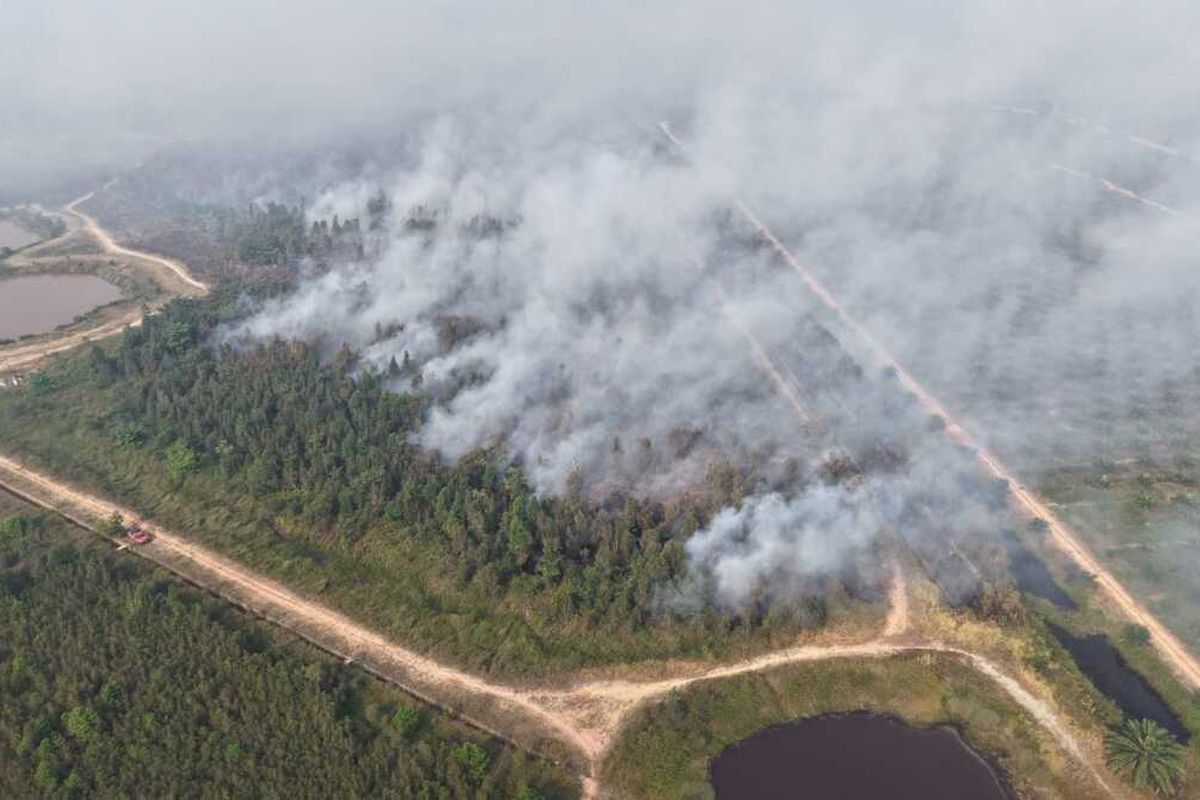
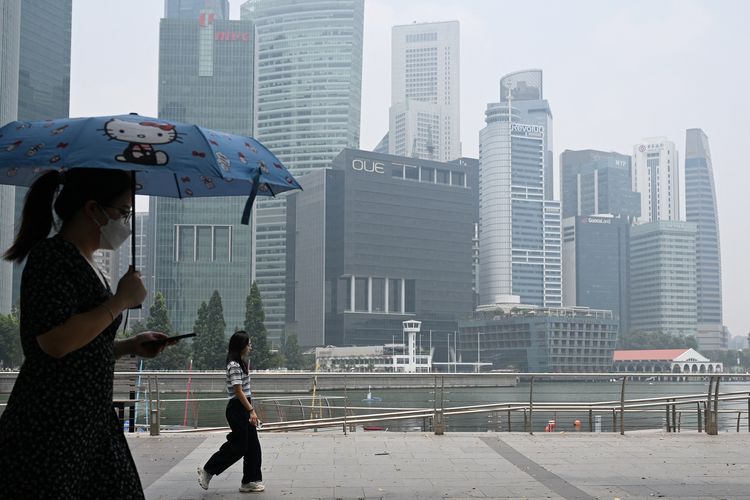
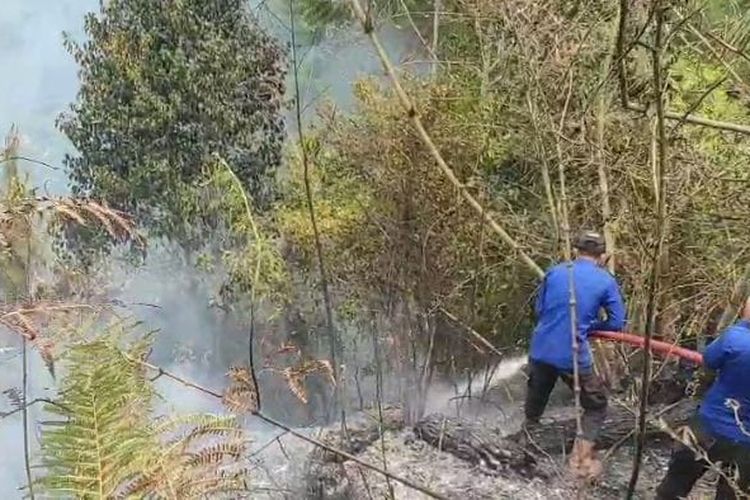
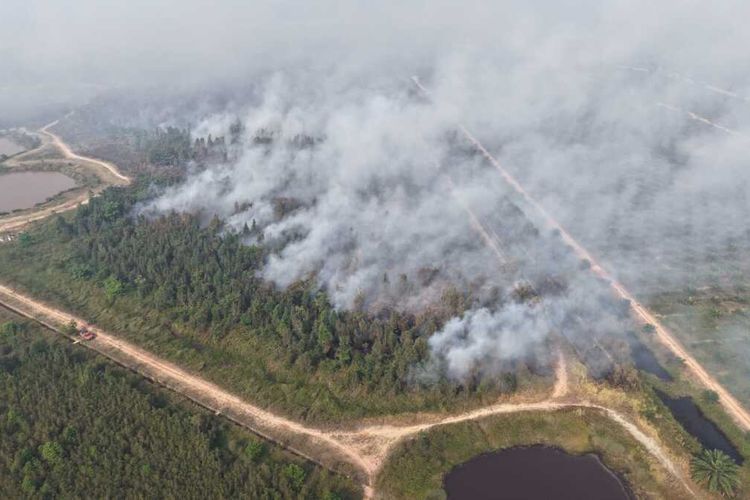
“We are continuing to communicate with our neighbors. As you know, due to El Nino, we are facing extremely dry weather in this region, which makes fighting forest fires much more difficult,” she elaborated.
Domestically, the smoke from the forest and land fires is impacting several sectors of public life, including health and aviation.
In the health sector, the Indonesian Ministry of Health (Kemenkes) emphasizes that the haze is not just a nuisance affecting visibility and comfort, but a recurring threat that directly endangers the community's livelihood.
The Head of the Bureau of Communication and Public Information at Kemenkes, Aji Muhawarman, explained on Saturday (10/10/2026) that fine particles in the smoke can penetrate deeply into the respiratory tract, reaching the lungs and blood vessels.
This condition becomes even more dangerous if the air quality deteriorates over a prolonged period due to the accumulation of PM2.5 pollution, vehicle smoke, dust, and industrial emissions.
Acute Respiratory Infections (ISPA) cases may increase by 1.8 to 3.8 times during thick smoke.
Kemenkes elaborated that health impacts due to forest fire smoke exposure can also be acute and fatal.
Moreover, the smoke exacerbates chronic lung diseases such as asthma and Chronic Obstructive Pulmonary Disease (COPD), and can trigger heart attacks and heart failure.
One local resident, a 29-year-old teacher named Lisna from Banjarmasin, South Kalimantan, died from acute asthma.
Lisna taught at Tanjung Pagar III Elementary School located on Jalan Gerilya, Banjarmasin Selatan.
She passed away on Sunday (27/9/2026) after complaining of a flare-up of her asthma.
Lisna had also asked her school principal for leave to recover from her condition.