
BNPB: 5,940 Families Affected by Flooding in Bandung City
-
News
-
1 minute ago
This article was translated by AI. Read the original article on Kompas.com. See Original
Usep added that silence also holds political value.
Jokowi's current reluctance to openly support Prabowo-Gibran's second term is perceived as a strategy to keep all options open.
"Gibran can still be a vice presidential candidate. He could also take another path if the coalition landscape changes. In politics, ambiguity is often more valuable than premature certainty," Usep remarked.
Additionally, he pointed out that Indonesian politics remains highly personal and family-based.
Moreover, many in the public are still waiting for signals from a former president to gauge the future of the current vice president.
However, Usep argues that Gibran's chances in 2029 should be determined by his performance, not his father's support.
"Gibran's opportunities in 2029 should ideally be dictated by his performance as vice president, not by his father's comments. Therefore, this short statement should not be overstated," Usep stated.
As the 2029 elections approach, the actions of the coalition parties and Prabowo's stance will be the deciding factors.
"What needs to be observed is the moves of the coalition parties and Prabowo's stance in the coming year," he continued.
Previously reported, Jokowi stated that the 2029 elections are still far away when asked about his support for a Prabowo-Gibran pairing in the next presidential election.
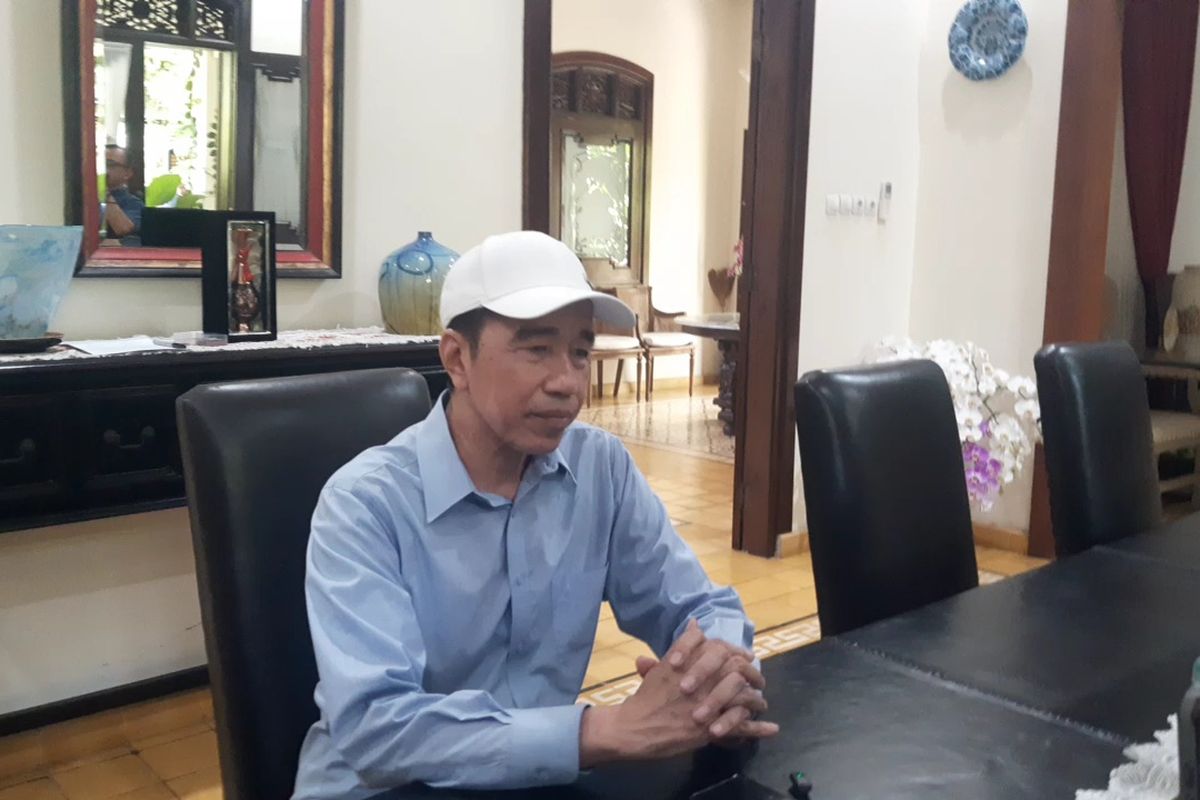
"The election is still far away," Jokowi said at his residence in Solo, Central Java, on Thursday (8/10/2026).
This statement contrasts with Jokowi's previous stance, which frequently emphasized support for Prabowo-Gibran for two terms.
Jokowi also stressed that all parties should focus on work first, both politically and in governance. "2029 is still far away. Everyone should work first. Whether in political work or government work, it’s all about working for the people," Jokowi concluded.