

Prabowo Proposes Establishment of Agency to Regulate Procurement of Goods and Services
-
News
-
12 minutes ago
This article was translated by AI. Read the original article on Kompas.com. See Original
The second test examines operational effectiveness, and here the results are even worse.
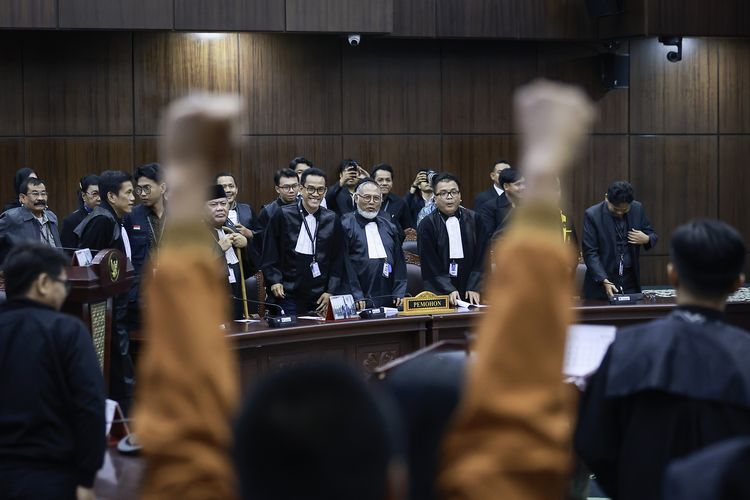
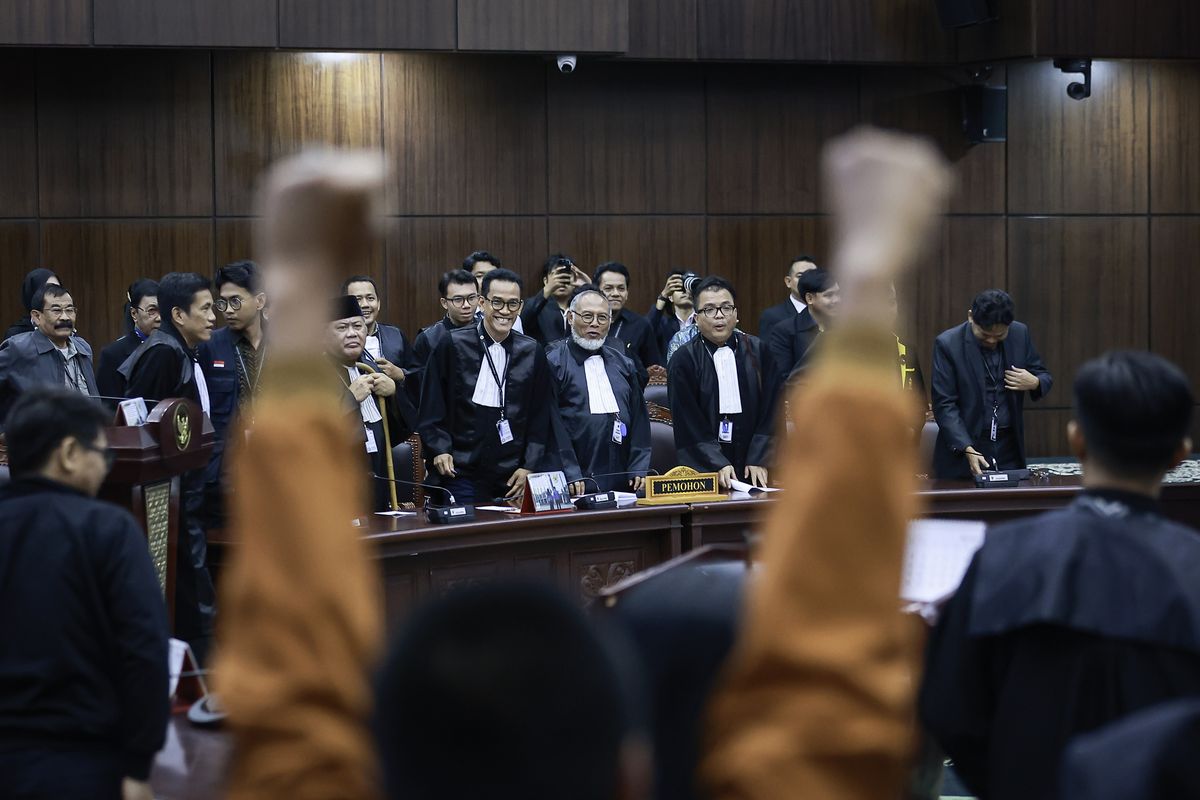
On October 6, 2026, the Court stated that the petition regarding the educational requirements of Vice President Gibran Rakabuming Raka (Case Number 01/PHPU.PRES-XXIV/2026) could not be accepted as the petitioners did not have legal standing.
In its considerations, the Court stated it found no convincing evidence regarding the diploma or foreign certificates that served as a basis for equivalency with a high school diploma.
The Court also assessed that the verification of the candidate’s documents should be complemented with factual verification, although it did not declare the actions of the KPU illegal.
During the hearings, the KPU Chair acknowledged that their institution did not directly verify with the ministry because they received a letter certifying the equivalence, while the Bawaslu Chair stated that their institution could not access the nomination information system.
When the Court finally examined the matter, the candidate's status had already concluded since the inauguration on October 20, 2024.
From these two tests, the audit conclusions become clear. Simply improving verification is not the answer since strengthening controls that are irrelevant leads to costly checks on matters that offer no guarantees.
Such controls are better retired and replaced with ones that target the actual risks. Legally, the door is open.
The Court affirmed that educational requirements constitute open legal policy that can be re-examined by lawmakers for the nation's best interest.
The same conclusion highlights the flaws in Jimly’s proposal. If a high school diploma is not relevant to the presidency, a bachelor's degree is not automatically relevant for legislative positions, especially as verification must be conducted on a far greater number of candidates.
Criticism regarding double standards, where the highest leaders are exempt from requirements imposed on other positions, can only be addressed if all positions are subjected to the same two questions.
Consistency means every position should be tested against the same criteria, not mandated to present the same documents.
So, what control is relevant? The answer is transparency mandated by law. Complete educational histories along with supporting documents should be published from the day of registration, allowing the public, the media, and academics to scrutinize them before voting.
This obligation needs to be written into law, not left to KPU policy, because in September 2025, the KPU restricted public access to diplomas and other nomination documents through KPU Decision Number 731 of 2025 before overturning it.
Sanctions also need clarification. Article 520 of the Election Law threatens a maximum of six years’ imprisonment for anyone creating or using falsified documents for nomination requirements.

















