

Rumors Emerge That Jeff Bezos Wants to Fund the Relocation of the Javan Rhino
-
News
-
12 minutes ago
This article was translated by AI. Read the original article on Kompas.com. See Original
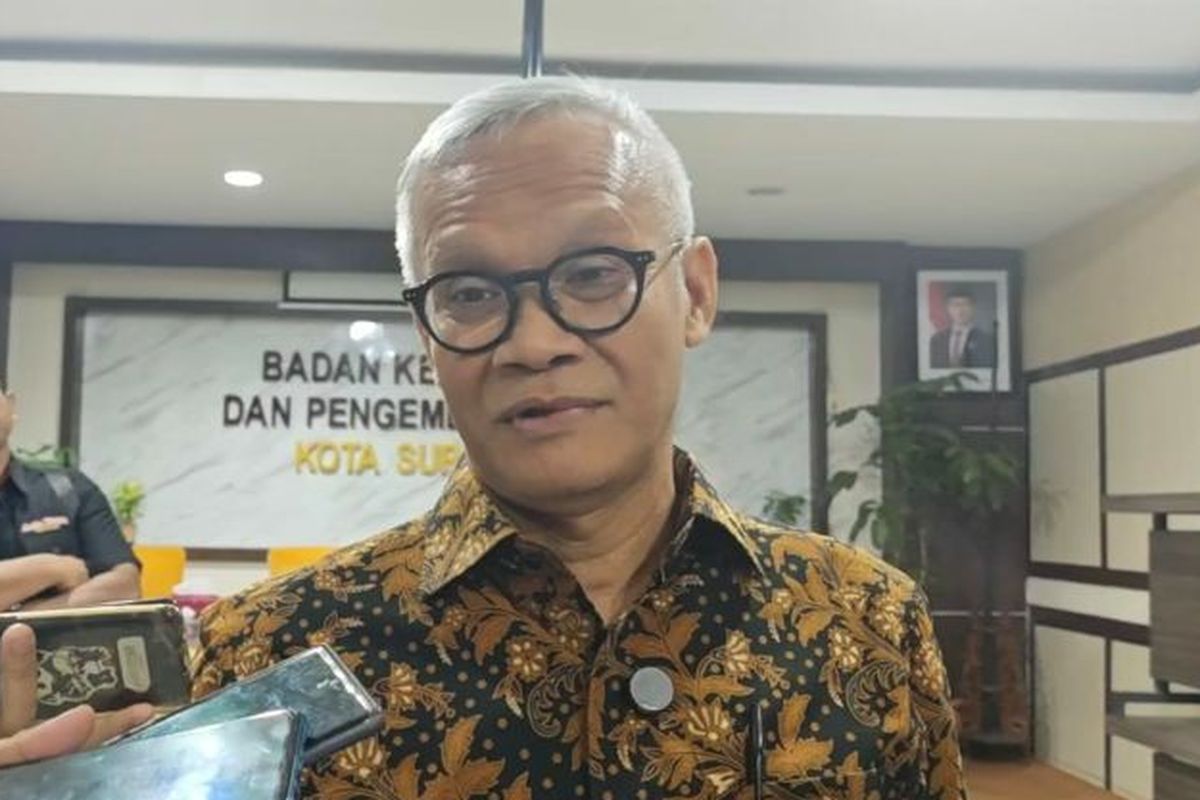
"This speaks to the principle of fairness in formulating the number of seats per district, which is also a strengthening of the unitary state, not just about representative proportionality of the populace," he said.
Aria believes that the addition of seats could be justified if the policy aims to enhance regional representation.
"If the rationale for adding seats is to strengthen the law as part of bolstering regional representative representation, then it makes sense," he clarified.
Nonetheless, the PDI-P politician reiterated that the figure is merely feedback from the DPR RI Expertise Agency.
"There is nothing concrete yet; this is just an input from the expertise agency," he remarked.
Aria added that the arrangement of electoral districts also needs to respond to public concerns about voter disenfranchisement and representation issues.
"We must respond to the public's concerns regarding the loss of the representative principle with the disappearance of voter counts, right? This needs our attention," Aria stated.
Aside from the arrangement of DPR seats, the Special Committee discussed the potential use of technology to modernize the election system, particularly in the vote counting process.
Aria said e-accounting is one option under consideration. Meanwhile, the application of e-voting has not become a choice at this stage of discussions.
"We feel somewhat overshadowed by India, which has partially implemented this, right? If e-voting is not feasible for now, then we consider e-accounting," Aria commented.
He explained that e-accounting still requires voters to come to the polling station to cast their votes. The difference lies in the counting process, which is performed electronically.
"With e-accounting, marking or voting is still done physically, but once completed, the counting is done electronically," he said.
Aria added that the electronic counting process will still follow a tiered mechanism up to the regional levels.
"With e-accounting, we still go to the booths, mark our ballots, and then submit them for counting, which happens in stages at the KPUD and DPRD levels," Aria explained.
With this scheme, voters will still cast their votes through marking or check-in, with electronic technology utilized solely in the counting process, not to replace the voting procedure at polling stations.


















