

Health Minister Prays for President Prabowo to Live to 100 Years
-
News
-
9 minutes ago
This article was translated by AI. Read the original article on Kompas.com. See Original
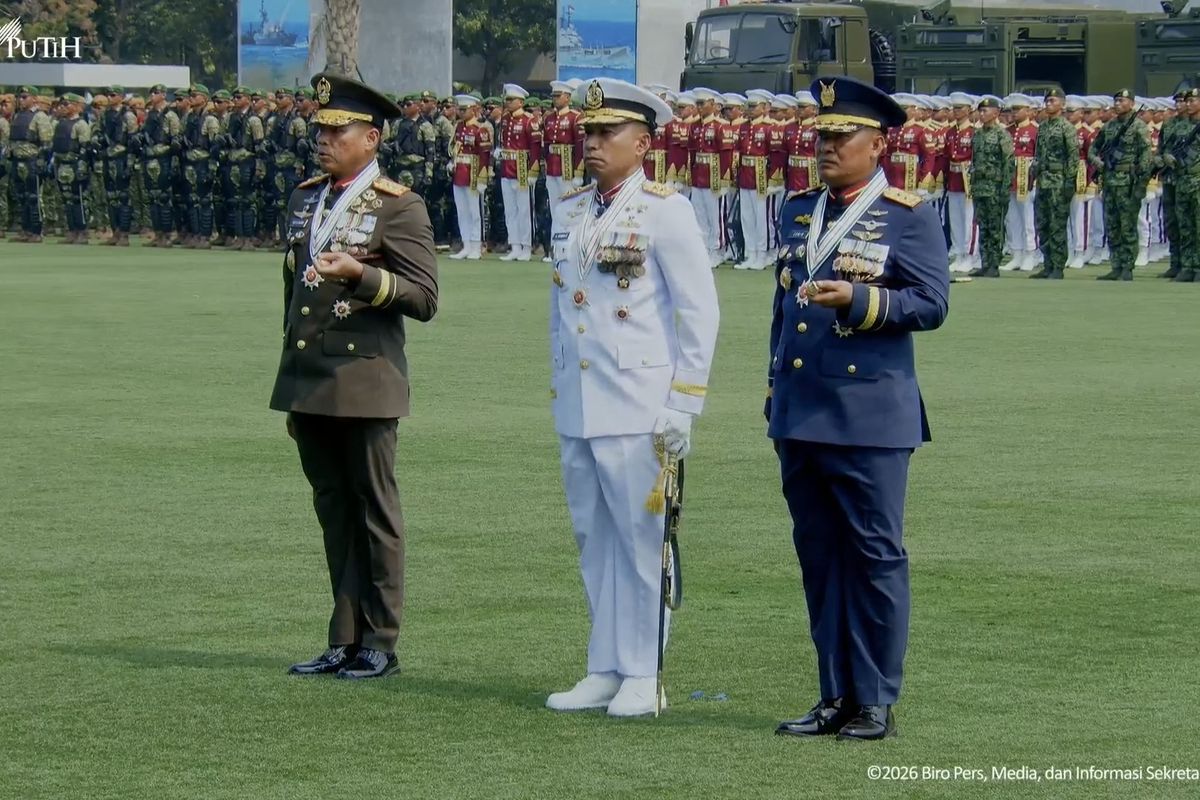
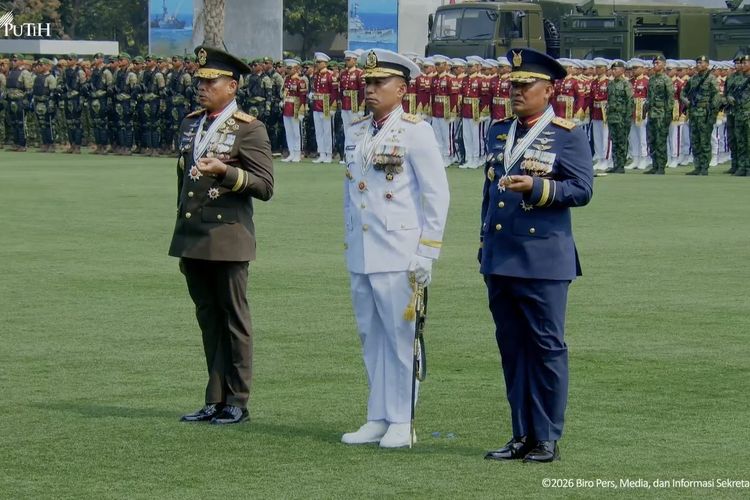
For the Army and Air Force, this shirt has a standing collar and comes with a tie.
The new PDU I regulations still describe the PDU as a combination of a long-sleeved shirt and a suit according to the branch color.
For the Army and Air Force, a tie remains part of the uniform.
In the newly unveiled PDU for the 81st TNI anniversary, the design has changed.
Old PDU:
New PDU:
This change gives the new PDU a more enclosed look around the neck while offering a distinct impression compared to the previous uniform model.
This model does not mean diminishing each branch’s identity.
The color differences remain intact, while various ranks, positions, qualifications, and honors are still significant components of the PDU.
Previous regulations, for instance, listed name tags, rank insignia, position insignia, skill badges, and honor symbols as attributes of the PDU I.
The Ministry of Defense stated that the design merges modern military character with the philosophical underpinnings of archipelagic culture.
The design adapts structured ceremonial cuts inspired by modern traditional attire of beskap.
"The newest PDU 1 Tri-Matra uniform combines the assertive character of modern military with the depth of archipelagic cultural philosophy," said the Ministry of Defense on its official website.
"This design adapts structured ceremonial cuts from traditional military tailoring, with special inspirations from modern beskap traditional clothing, showcasing the noble values of national culture reflecting the identity of the entire TNI," the Ministry added.
The Ministry also highlighted various unique features of the TNI's new PDU, such as collar and cuff design details laden with philosophical meanings.
"The red collar symbolizes strength and resilience and distinguishes officers and commanders, while for juniors and seniors, the collar’s base color is aligned with the dominant color of each branch's uniform," explained the Ministry of Defense.
"The chain or mine detail on the collar symbolizes a strong and unbreakable bond of service, uniting the Army, Navy, and Air Force in safeguarding the sovereignty of the Republic of Indonesia (NKRI)," it continued.
Meanwhile, the rice embroidery on the cuffs symbolizes the dedication of TNI soldiers who hold high humility but remain steadfast in their duty as protectors and guardians of the people's welfare.
Military observer Aris Santoso noted that the uniform change cannot be separated from issues of identity and leadership within the TNI.


























