

Cak Imin Encourages Pesantren-Based Vocational Schools to Elevate Standards to International Levels
-
News
-
3 hours ago
This article was translated by AI. Read the original article on Kompas.com. See Original
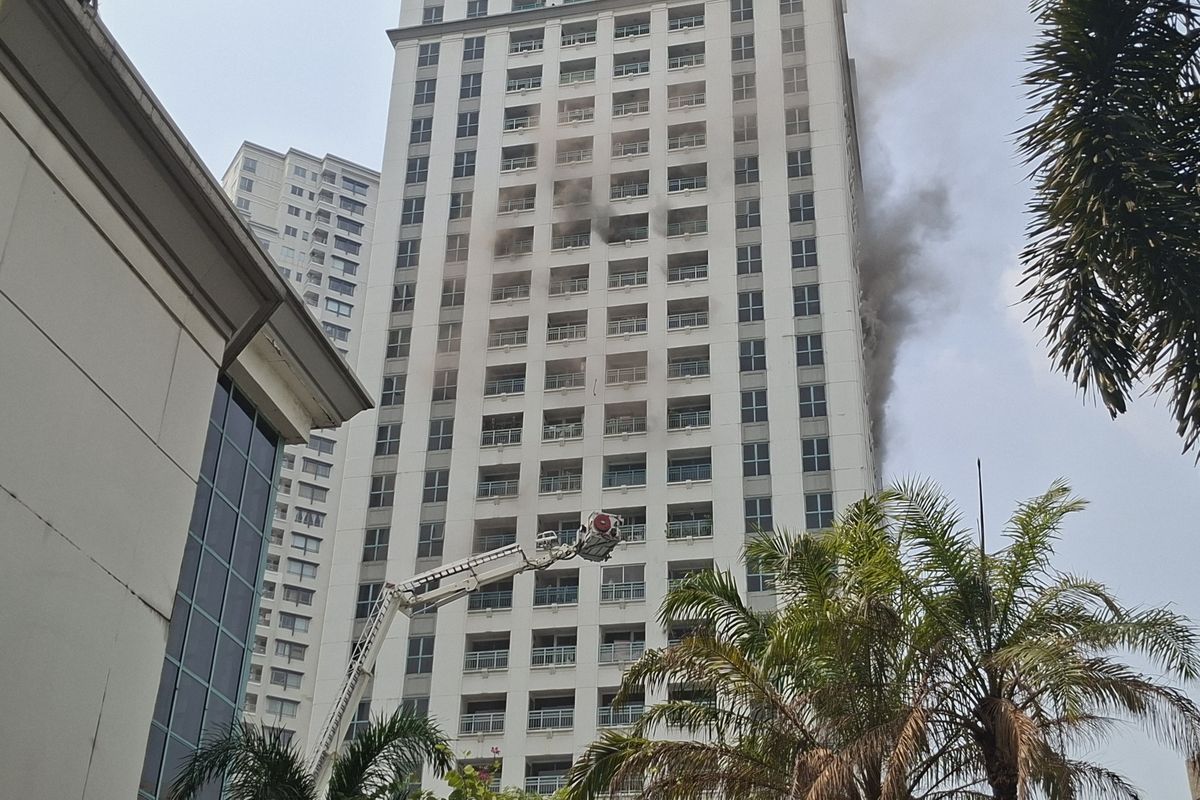
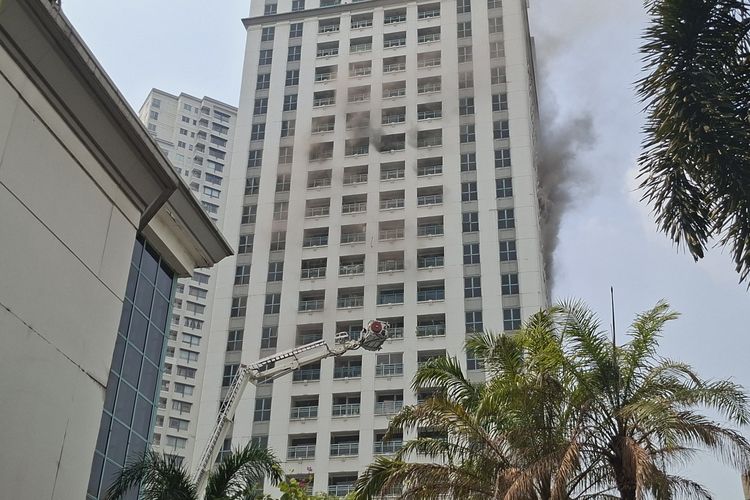
Marwanto observed that residents’ understanding of evacuation procedures remains generally low.
Many residents are reluctant to participate in safety socialization sessions and often dismiss fire alarms as false.
"Fire drills and evacuation exercises should ideally be held at least once a year for all residents and management," Marwanto advised.
For internal emergency response teams, partial drills and simulations should occur every three to six months.
These exercises help security personnel and engineering teams become familiar with alarm responses and operation of fire protection equipment.
Marwanto stated that property managers bear the primary responsibility for ensuring that all protection systems and emergency response teams function properly.
Regular inspections are necessary for fire pumps, detectors, hydrant and sprinkler water flow, and emergency stair fans.
Managers must also conduct periodic testing following mechanisms established by the DKI Jakarta Fire and Rescue Service.
"Empowering the Emergency Response Team requires having personnel on standby 24/7, trained in operating the MCFA panel and initial firefighting actions," Marwanto said.
He added that routine fire safety audits are necessary to ensure buildings continue to meet safety standards.
Such audits are also part of inspections related to issuing or renewing fire safety recommendations and Fire Safety Certificates (SKK).
By ensuring all these aspects are equipped and functioning correctly, the risk of fire incidents in vertical housing can be significantly minimized.