

Problems Arise from Flagship Programs and the President's Circle of Power
-
News
-
5 minutes ago
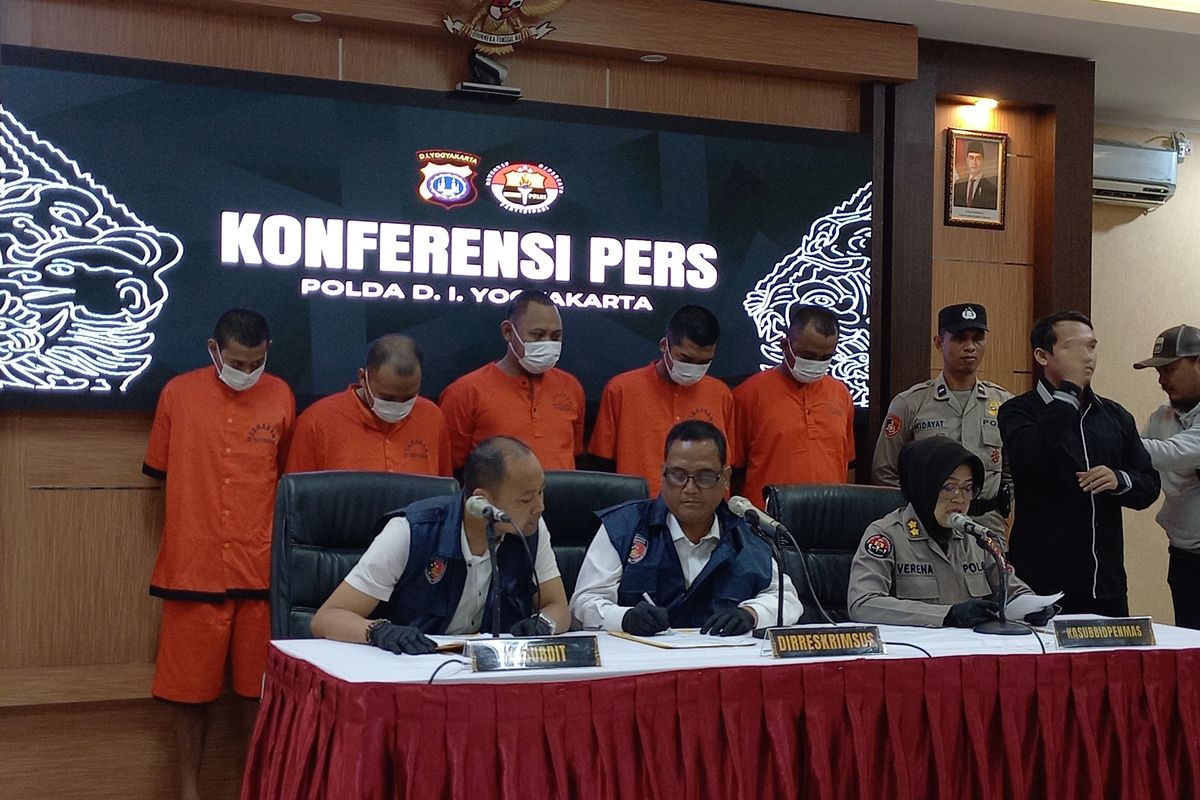
Their method was to create large numbers of new user accounts across multiple gambling sites. New accounts typically have a higher chance of winning in early play and often receive bonuses or cashback promotions.
“In online gambling, new accounts are often set to win early on to attract players. Eventually, the site drains the balance,” Slamet explained.
With four computers, the group could create around 40 new accounts per day, with each member tasked with playing 10 accounts daily.
To bypass detection, they used dozens or even hundreds of new phone numbers, rotating SIM cards to create new accounts and mask their IP addresses.
“They change the SIM cards so they can not only get new account bonuses but also play with the bonus funds. If they win, they withdraw the money. If they lose, they just create a new account,” said Police Commissioner Ardiansyah Rolindo Saputra, another cybercrime officer.
Police said the scheme earned the group up to Rp 50 million (about 3,100 US dollar) per month, causing equivalent losses to the gambling operators.
The case has drawn attention because many critics believe police are, intentionally or not, protecting gambling bosses by arresting those who targeted them.
Muhammad Mustofa, a professor of criminology at the University of Indonesia, described the arrests as an example of police subjectivity.
He said the suspects were retaliating against the gambling operators’ own fraudulent practices - the real problem that should be addressed.
“Those accused should counter-report that the gambling apps are cheating players,” Mustofa told *Kompas.com* on Thursday.
In his view, the group’s actions were essentially fighting back against rigged systems and should have received public sympathy.
“The public should support targeting the operators. This can be voiced through social media or other channels,” he said.
He added that citizens could also report such cases to oversight bodies such as the National Police Commission (Kompolnas), the National Human Rights Commission (Komnas HAM), or Indonesia’s parliament (DPR).