
Listyo Avoids Ethical Hearing: Strategy, Resistance, Surrender, or Shame?
-
News
-
3 minutes ago
This article was translated by AI. Read the original article on Kompas.com. See Original
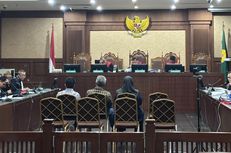
THURSDAY morning, the courtroom of the Police Code of Ethics Commission at the National Police Headquarters was prepared. The panel was seated, the files arranged, and the session began promptly.
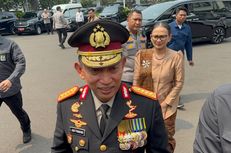
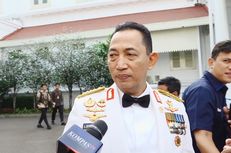
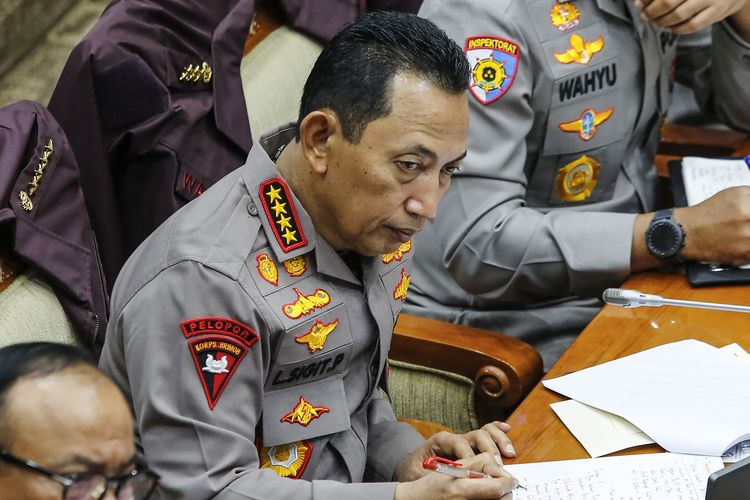
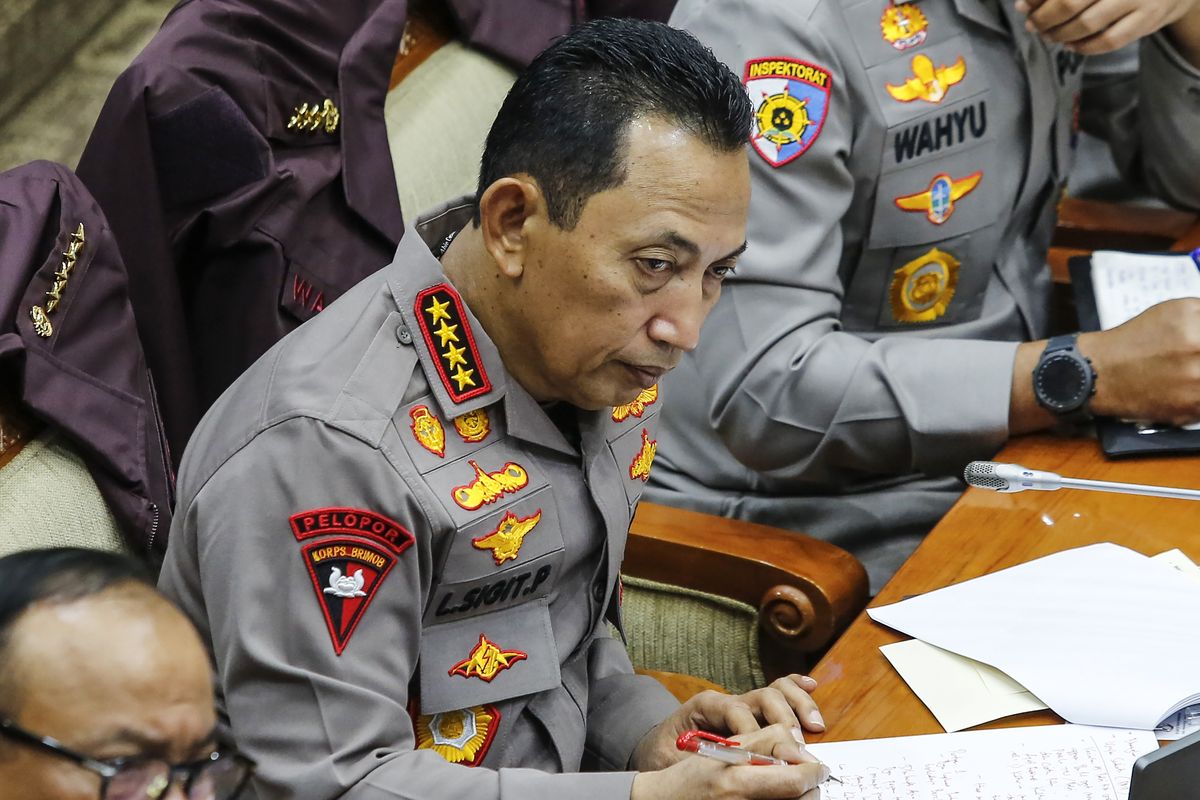
Only one chair remained empty, that of the alleged violator. This chair was designated for Police General Listyo Sigit Prabowo, the former Chief of Police who is now a suspect in the illegal wiretapping of President Prabowo Subianto and several figures, which has escalated to allegations of treason.
Listyo refused to attend, signing the record without providing a reason. The session was postponed with a second summons scheduled.
His refusal raised questions because the foundational rule of the ethics session, Police Regulation Number 7 of 2022, was enacted while he was still leading the Police.
Why would a general hesitate to stand before the very rules he once enforced for his subordinates?
There are at least four interpretations. The first sees it as a legal strategy. He is facing a treason case with severe penalties, and any testimony in the ethics forum could potentially turn into a liability in the criminal case.
This interpretation makes sense but isn't entirely convincing. He could still attend with his legal representative and refuse to answer self-incriminating questions. Being present does not equate to admitting guilt.
The second interpretation views it as resistance. The ethics hearing rules were amended just before his hearing, including provisions allowing a lower-ranking panel to adjudicate alleged violators (Police Regulation Number 4 of 2026).
He might perceive that forum as illegitimate. However, effective resistance is conducted within the forum, through official objections and appeals.
If he again fails to appear for the second summons, the session will proceed without him, the decision will become final, and the right to appeal will be forfeited. Although it appears as resistance, the result will be defeat.
The third interpretation is that of surrender. Two other generals in the same case have already been handed the sanction of dishonorable dismissal, Inspector General Ahrie Sonta on November 10 and Inspector General Eko Hadi Santoso on November 17.
The decision regarding Listyo seems to be predictable. There’s no way back, as a suspect facing significant criminal charges cannot request resignation with honor.
The fourth interpretation, the most humane, is one of shame. Former Criminal Investigation Director Ito Sumardi highlighted this psychological factor (Kompas TV, 26/11/2026).
A former top police officer must emerge from custody under escort, with cameras watching, only to sit before officers who once saluted him.
Sociologist Erving Goffman referred to such situations as a threat to "face," the self-image maintained by an individual in front of others. The higher the position, the more valuable the face, and consequently, the heavier the burden when it falls.