

When the MK Becomes a Channel to Criticize the Election Law Rather than Relying on the DPR...
-
News
-
1 minute ago
This article was translated by AI. Read the original article on Kompas.com. See Original
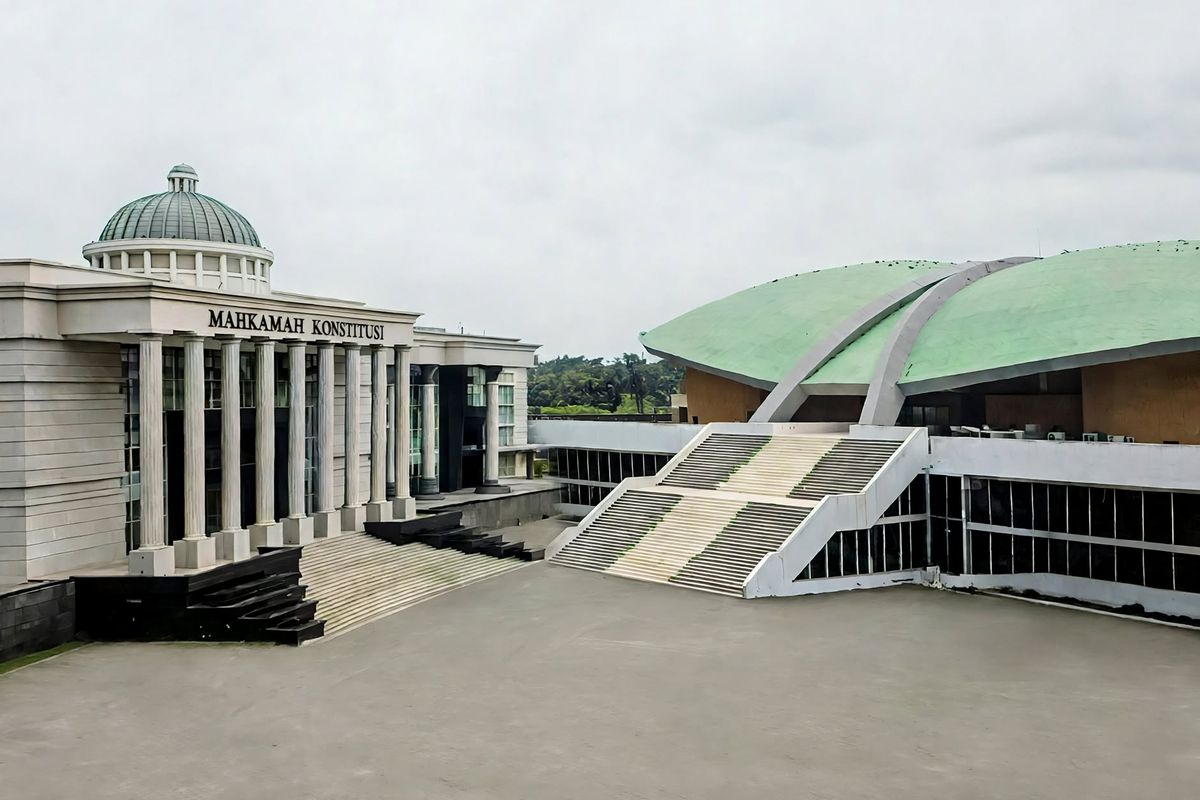
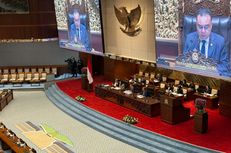
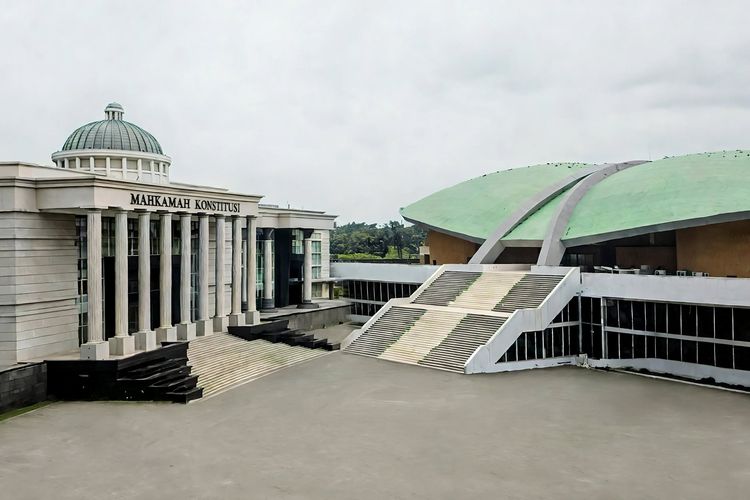
JAKARTA, KOMPAS.com - Revisions to Law No. 7 of 2017 on Elections (Election Law) are currently one of the legislative agendas in the Indonesian House of Representatives (DPR RI); meanwhile, numerous lawsuits against the Election Law are piling up at the Constitutional Court (MK).
This raises the question: why do some members of society prefer to challenge the provisions of the Election Law through the MK rather than advocating for changes through the legislative process in the DPR?
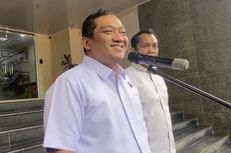
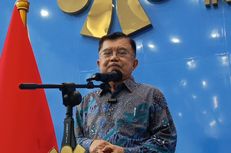
Jojo Rohi, a member of the National Council of the Independent Election Monitoring Committee (KIPP) Indonesia, believes that this decision by the public is based on the assurance of the trial process.
Many people consider that the proceedings at the MK are more open and transparent, which they see as a guarantee—a guarantee that they do not receive from the DPR.
"People go to the MK rather than the DPR because the MK guarantees one thing that the DPR does not guarantee, which is certainty of being heard. Lawsuits are registered, heard in public, and must be decided," Jojo told Kompas.com on Thursday (19/11/2026).
Jojo noted that the process of revising laws in the DPR is often closed off. He understands that the DPR cannot accommodate all public input into the legislation.
However, representatives should not disregard meaningful participation.
"The initial meetings of the Election Bill Working Committee were held behind closed doors," Jojo said.
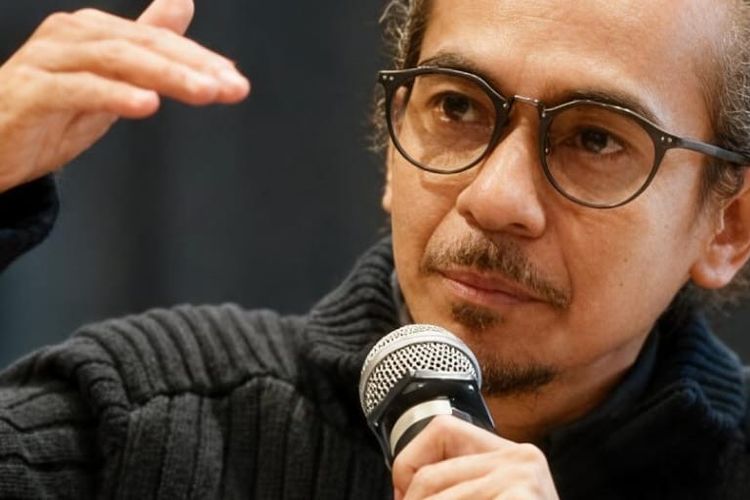 Jojo Rohi
Therefore, Jojo views the flood of lawsuits as a symptom of blocked channels for public aspiration in the DPR.
"If the DPR in Senayan does not open discussions transparently, the MK will continue to be forced to act as a second legislator," Jojo explained.
Similarly, Lucius Karus, a researcher at the Forum for Society Concerned about Parliament Indonesia (Formappi), sees this phenomenon as occurring because the DPR has not genuinely created a participatory atmosphere.
He emphasized that meaningful participation does not end with inviting a handful of figures and organizations. It must be inclusive of all segments of society.
The DPR should be open to listening to input from other groups that may not have been heard before.
"Especially at a time when they (DPR RI) hide draft bills, academic texts, meeting minutes, and others. The legislative process is conducted so quickly that the public is always shocked when the DPR suddenly passes a bill," Lucius stated.
Lucius expressed that if these elements are not met, it is no wonder that the public—and even the DPR itself—uses the MK as a "shield" to address public dissatisfaction.