
Looking for a Hatta-Type Vice President: Breaking Free from the Trap of Political Calculation
-
News
-
2 minutes ago
This article was translated by AI. Read the original article on Kompas.com. See Original
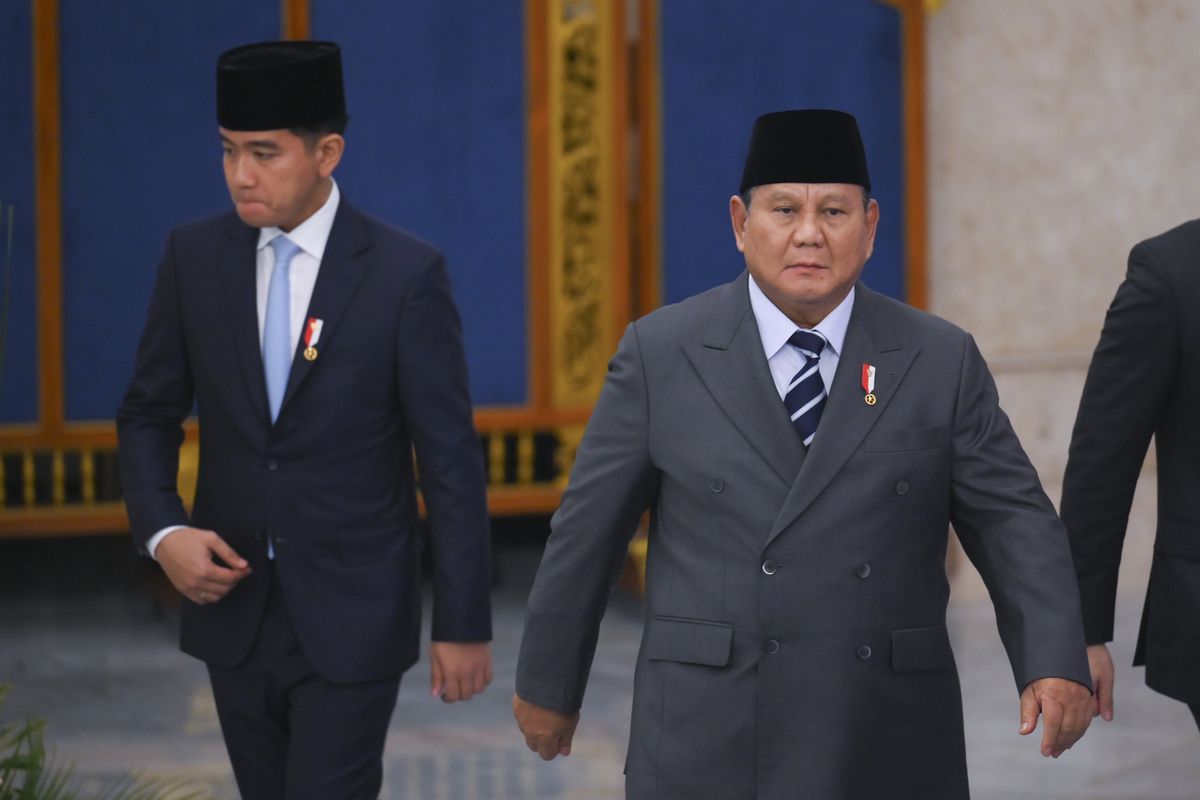
IN the upcoming days, public attention in Indonesia will be directed toward President Prabowo Subianto.
He must soon decide on two names for the People's Consultative Assembly (MPR) to select as vice president (Wapres) to replace Gibran Rakabuming Raka, who resigned from his position last Thursday (12/11/2026).
The authority lies solely with Prabowo. However, searching for a figure to fill the vice presidential position should not be regarded merely as a matter of filling a vacant post.
This moment should be utilized to reconsider the quality and design of Indonesia's national leadership.
We should not merely ask who will replace Gibran, from which party, whether they are part of the coalition in the 2024 presidential election or not.
We should also think about what kind of character this nation truly needs.
In that context, I invite us to revisit the discourse on leadership that has colored Indonesia, as written by Herbert Feith, an Australian Indonesianist, in his classic book, The Decline of Constitutional Democracy in Indonesia (1962).
Feith introduced a typology of political leadership known as “solidarity makerss” and “administratorss.” These two categories help explain the differences in capabilities and orientations among Indonesia's political elite during the early years of independence.
Soekarno is often associated with the solidarity makerss type, while Mohammad Hatta represents the administratorss.
Soekarno had the ability to build solidarity, mobilize the masses, unite various groups, and evoke a national imagination through symbols and ideology.
In contrast, Hatta was known for his administrative skills, rational thinking, and mastery of economic, legal, and governance issues.
Of course, neither can be reduced solely to these two categories. Soekarno also possessed administrative capabilities, while Hatta was not merely a bureaucrat.
Both were statesmen who made significant contributions to the formation of the Republic of Indonesia.
Nevertheless, Feith's typology provides an important lesson: building a nation and running a government requires two different but complementary types of leadership skills.
In the current context of Indonesia, we can use this framework to assess the need for national leadership.
President Prabowo can be expected to function as a solidarity makers. With the political mandate he possesses, he has the opportunity to build national consolidation, weave together differences, and direct the political energy of society toward a common goal.
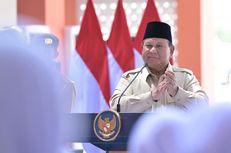
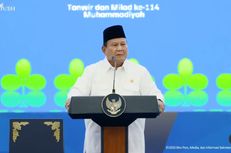
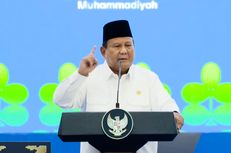
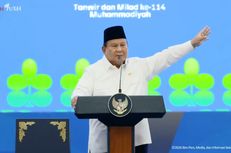
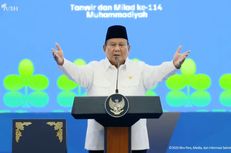
President Prabowo may be said to be close to the solidarity makerss type, similar to Soekarno. He is highly spontaneous, authentic, and dislikes formal, boring written speeches.
Prabowo can also be considered an orator. He can make the podium resemble a theater stage for monologues. His speaking style is striking, convincing, full of enthusiasm and optimism, accompanied by unique gestures.
His narrative on unity and nationalism is strong. All of this serves as a strong capital for Prabowo to approach the solidarity makerss.
However, national solidarity cannot be built solely through rhetoric of unity, mass mobilization, or national symbols. Solidarity must grow from the public's trust that the state works for the common good.
This is where the need for a vice president of the Hatta type becomes relevant.