

Kupang Regent Accused of Rape of Student, Commission III Head: There Should Be No Special Treatment
-
News
-
8 minutes ago
This article was translated by AI. Read the original article on Kompas.com. See Original
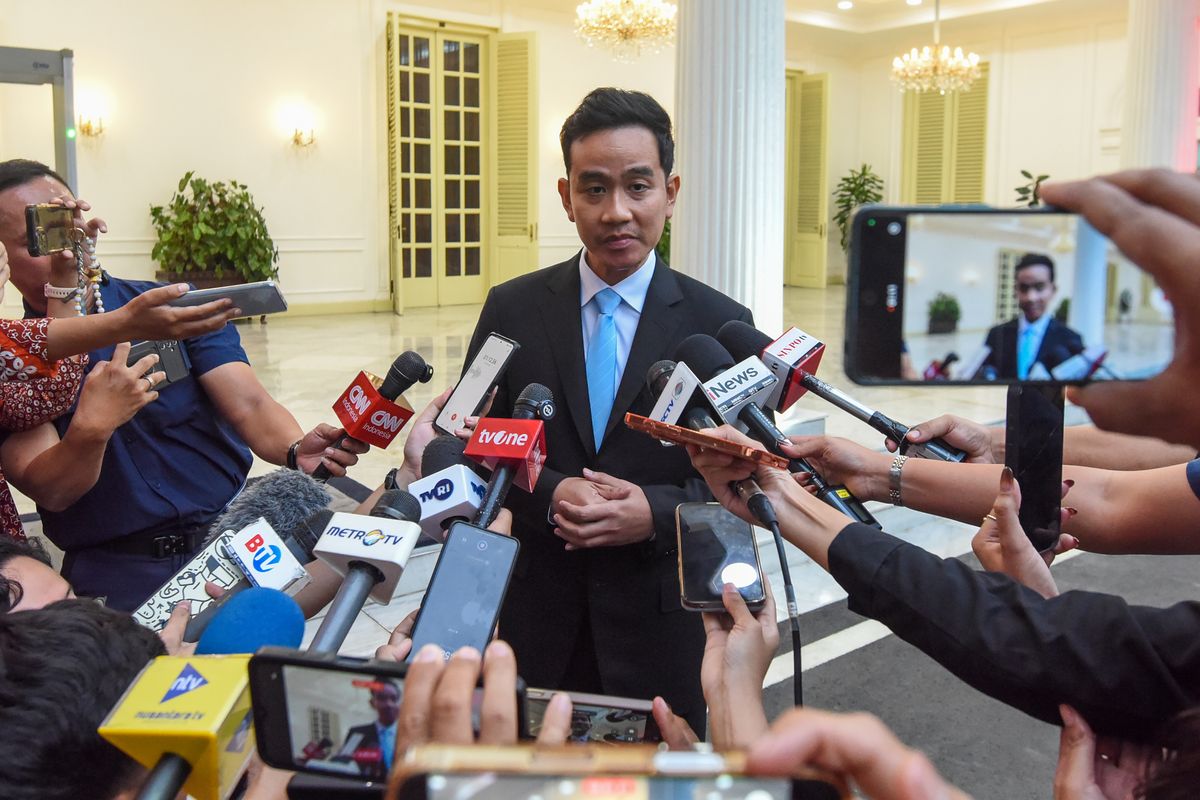
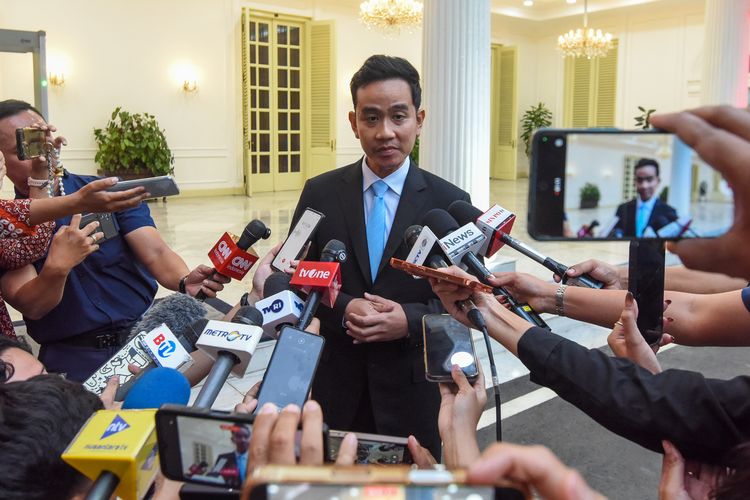
DECISION Gibran Rakabuming Raka's resignation from the position of Vice President on November 12, 2026, has sparked an intriguing debate within constitutional law and administrative law.
Does a former Vice President who resigns receive the same pension rights as a Vice President who completes their term or is removed through impeachment?
This issue transcends Gibran's financial affairs as a state official. It encompasses principles of legal certainty, accountability, social justice, and state ethics.
Constitutionally, Article 8 paragraph (1) of the 1945 Constitution states that if the President dies, resigns, is dismissed, or is unable to fulfill their duties, they will be replaced by the Vice President.
Meanwhile, Article 8 paragraph (2) of the 1945 Constitution regulates filling the vacancy of the Vice Presidency through election by the MPR from two candidates proposed by the President within a maximum of 60 days.
This provision is elaborated on in Articles 46 to 49 of Law No. 17 of 2014 concerning the MPR, DPR, DPD, and DPRD (MD3 Law), which has been amended several times. The President proposes two candidates, and then the MPR selects one of them.
Are resignation, cessation, and impeachment the same legal events?
Linguistically, all three events result in the termination of a position. However, under constitutional law, these events are distinct.
Cessation is a general term for the end of a position and is a declaration (declaratoir) that announces an end.
The term “cessation” is what Gibran used in his official letter addressed to the leadership of the MPR and President Prabowo Subianto.
Since the Vice President's position is obtained through a direct election by the people, their accountability should be to the voters.
However, the means by which accountability is upheld is not defined in constitutional law.
Additionally, how one declares their cessation—whether spoken or written—along with its format and the environment of the declaration—is not outlined in the 1945 Constitution or other laws.
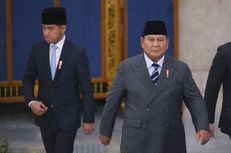
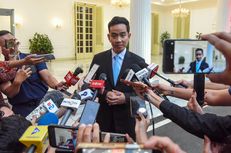
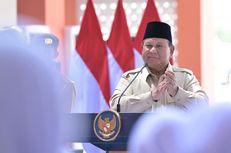
Gibran merely met with President Prabowo and the MPR leadership and submitted a letter of “cessation” from his Vice Presidential position, not a “resignation.”
Gibran did not read the letter aloud, unlike President Suharto, who declared his “cessation” in May 1998. Suharto read a letter at the Palace before entrusting the vice presidency to BJ Habibie as his successor.