Suyudi then outlined five stages of the alleged modus operandi of wiretapping carried out by high-ranking police officers against President Prabowo Subianto.
"These are the order to wiretap, provisioning, execution of the wiretapping, reporting to the end user, and data deletion," said Suyudi in the Working Meeting with Commission III of the House of Representatives at the Senayan Parliament Complex, Jakarta, Thursday (12/11/2026).
 ASPRILLA DWI ADHA
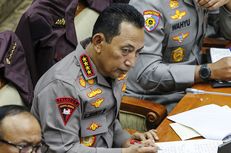
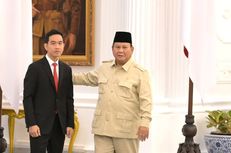
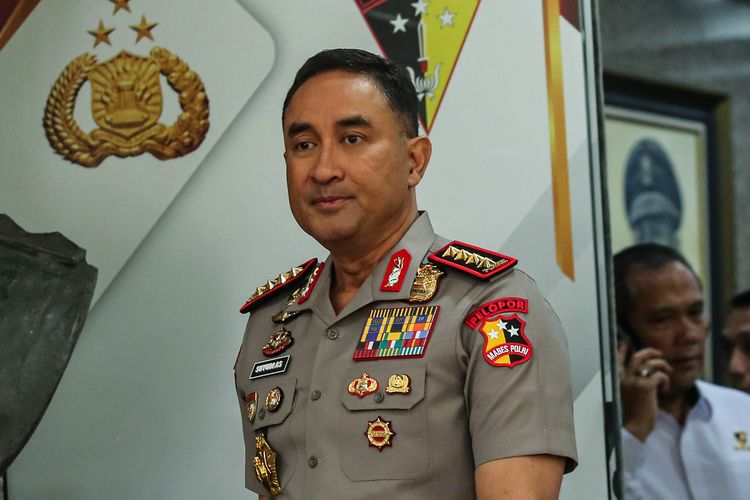
National Police Chief General Suyudi Ario Seto (left) together with the Head of the Food and Drug Supervisory Agency (BPOM) Taruna Ikrar (right) leave the room after an audience at the National Police Headquarters in Jakarta on Monday (2/11/2026). The BPOM conducted an audience with the National Police Chief to strengthen cooperation in the oversight of certain pharmaceuticals, food, and potential misuse of kratom, as well as monitoring government priority programs like MBG and Merah Putih Village Cooperatives. ANTARA FOTO/Asprilla Dwi Adha/nym.
Suyudi then detailed each stage of the alleged wiretap process.
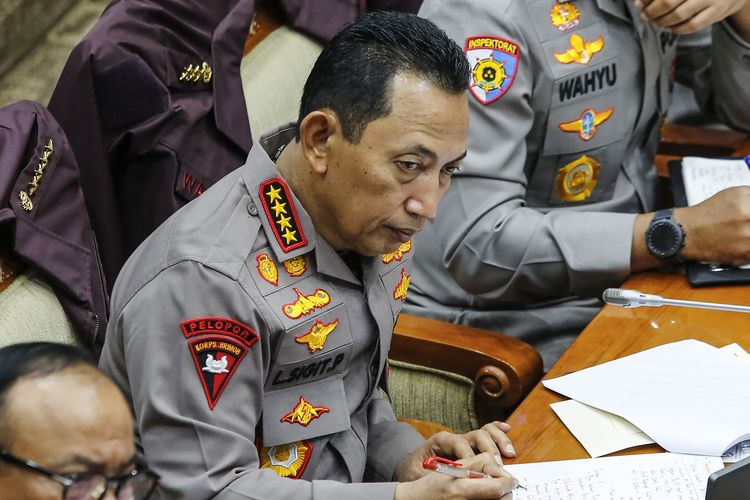
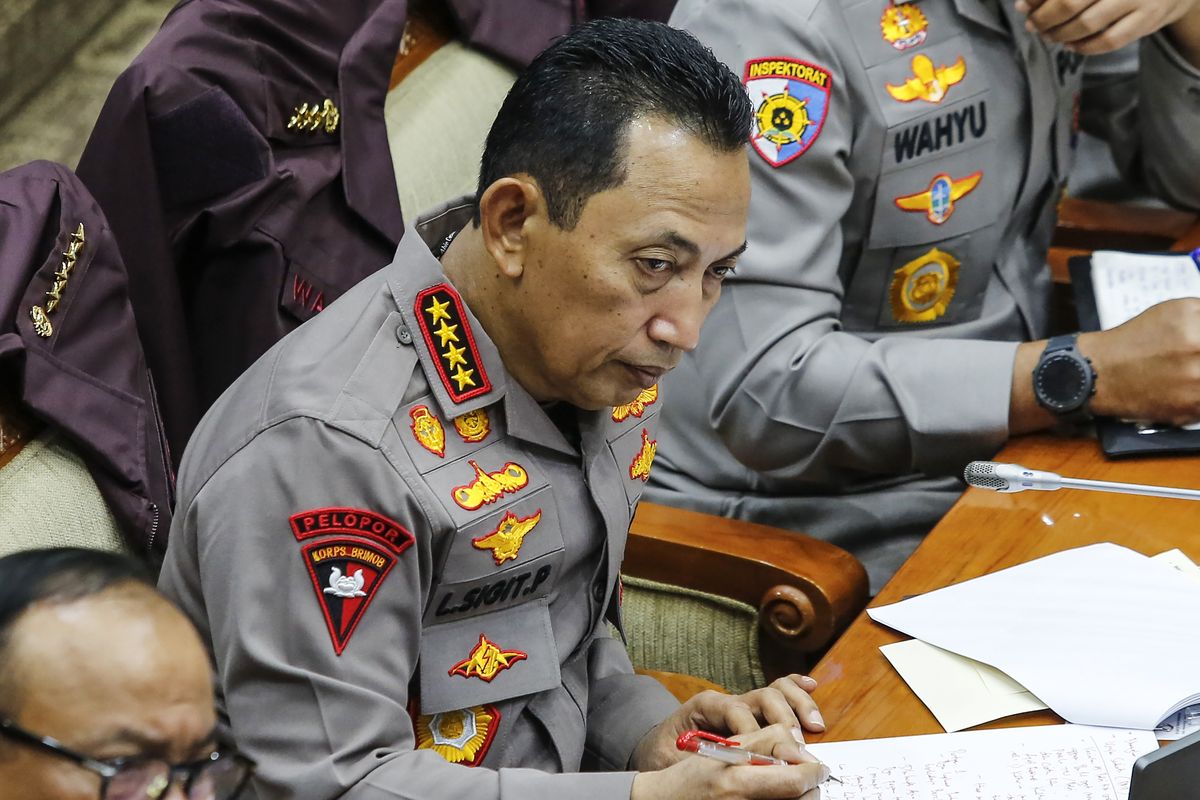
In the first stage, former Chief of Police Listyo Sigit Prabowo (LSP) ordered Inspector General Slamet Uliandi (SU) to carry out the wiretap.
Slamet Uliandi then relayed the wiretap order to two other suspects, Inspector General Eko Hadi Santoso and Inspector General Ahrie Sonta Nasution.
During the provisioning phase, Suyudi explained, the Technical Supporting Unit (TSU) allegedly entered the target phone numbers into the Lawful Interception Management System (LIMS) without verification and filtering.
In the execution phase of the wiretap, Suyudi explained, officials monitored and exported the wiretap recordings, then transcribed them.
The subsequent phase involved reporting the wiretapping results hierarchically to the Monitoring Head, Inspector General Slamet Uliandi, up to General Sigit.
The final stage was the data deletion that occurred in October 2026.
"In October 2026, the wiretap data in the LIMS and PLX systems were allegedly deleted by order of AS, executed by the TSU team," he revealed.
 Situs web resmi Humas Polri
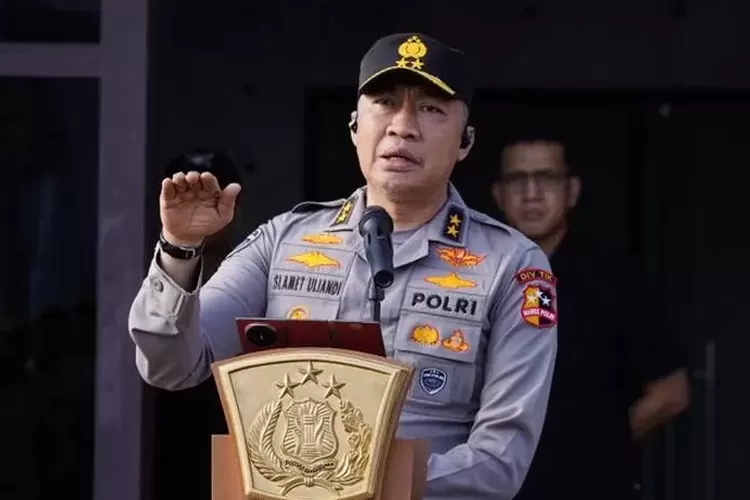
Inspector General Slamet Uliandi
Wiretapping Targeting the President and Students
The National Police Chief revealed that the wiretapping conducted by General Listyo and others did not solely target President Prabowo Subianto.
This wiretapping action allegedly also targeted the Corruption Eradication Commission (KPK), governors, and activists.
"Based on the investigation results, the wiretap targets allegedly include a variety of groups, including the President of the Republic of Indonesia, palace circles, ministries, and agencies," he stated.
"Government officials, members of the House of Representatives, politicians, governors, provincial police chiefs, the KPK, prosecutors, police internal members, social organizations, activists, and students," he added.
In this regard, Suyudi emphasized that the target list is part of ongoing investigative materials.
"This should not be interpreted as implying the involvement of these parties in a criminal act," he clarified.
Listyo as end user
Suyudi identified Listyo Sigit as the end user of the wiretap results against Prabowo and others.
This was revealed as Suyudi explained Listyo Sigit's role in issuing commands and determining wiretap targets, both verbally and via WhatsApp, to Inspector General Ahrie Sonta Nasution, the Head of Monitoring at the Criminal Investigation Division of the National Police.
"Additionally, (LSP) was the recipient of the final wiretap results or end user of the wiretap," Suyudi stated.
In the investigative materials, Listyo Sigit is suspected of having instigated others to commit crimes, including directing Ahrie Sonta.
Ahrie Sonta Nasution is suspected of having received orders from Listyo Sigit and relayed them to the operators to carry out the wiretap without an investigative request.
Ahrie is also suspected of reporting the wiretap results to Listyo Sigit and instructing a person with the initials TK, later identified as having the rank of Brigadier General, to conduct surveillance.
In addition, Suyudi revealed allegations of evidence tampering. In October 2026, wiretap data stored in the LIMS and PLX systems were allegedly deleted by order of Ahrie Sonta, which was then executed by the TSU team.
House of Representatives Urges Application of Treason Articles
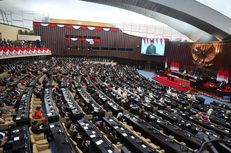
Meanwhile, Commission III of the House of Representatives asserted that the illegal wiretapping conducted by several police generals against President Prabowo Subianto falls within the category of treason.
"Commission III of the House of Representatives emphasizes that the crime of wiretapping, illegal access, or destruction of electronic data carried out by the suspects is categorized as treason," said Chairman of Commission III DPR Habiburokhman while reading the conclusions from the meeting with the National Police Chief at the DPR Building on Thursday (12/11/2026).
"Therefore, Commission III of the House of Representatives requests the National Police Chief and his team to apply treason articles against the suspects and continue investigations into possible involvement of other parties," he added.
Habiburokhman stated that Commission III appreciates the decisive actions taken by the National Police Chief and his team in exposing this wiretapping case and urges that the handling of the case be conducted professionally.
 Rahel Narda
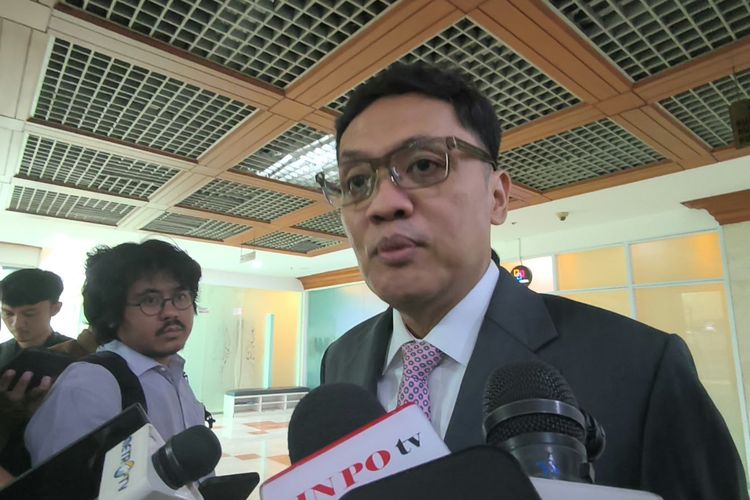
Chairman of Commission III of the House of Representatives Habiburokhman during an interview at the Parliament Building in Jakarta on Thursday (5/11/2026).
Four Wiretap Suspects
The Criminal Investigation Division of the National Police has named General Listyo Sigit, Inspector General Ahrie Sonta, Inspector General Eko Hadi Santoso, and Inspector General Slamet Uliandi as suspects in the illegal wiretapping case.
Asep explained that the alleged wiretapping took place from 2025 to 2026.
For these alleged acts, investigators are applying several articles according to the role of each suspect.
Firstly, Article 258 of Law No. 1 of 2023 regarding the Criminal Code related to the alleged wiretap, with a maximum prison sentence of 10 years.
Secondly, Article 48 juncto Article 32 paragraph (1) of Law No. 1 of 2024 regarding the Second Amendment to the ITE Law related to the alleged destruction of electronic data, with a maximum prison sentence of 8 years.
Thirdly, Article 332 paragraph (1) and/or paragraph (2) of Law No. 1 of 2023 concerning the Criminal Code regarding alleged illegal access, with a maximum prison sentence of 6 or 7 years, depending on the applicable provisions.
Investigators are also applying Article 20 letters c and/or d of the Criminal Code related to alleged complicity in committing crimes or instigating others to commit crimes, including abuse of power.
The police have also issued a police report regarding allegations of treason.