

Prabowo Orders Minister to Provide Full Scholarships for Children of Fallen Karhutla Volunteers
-
News
-
14 minutes ago
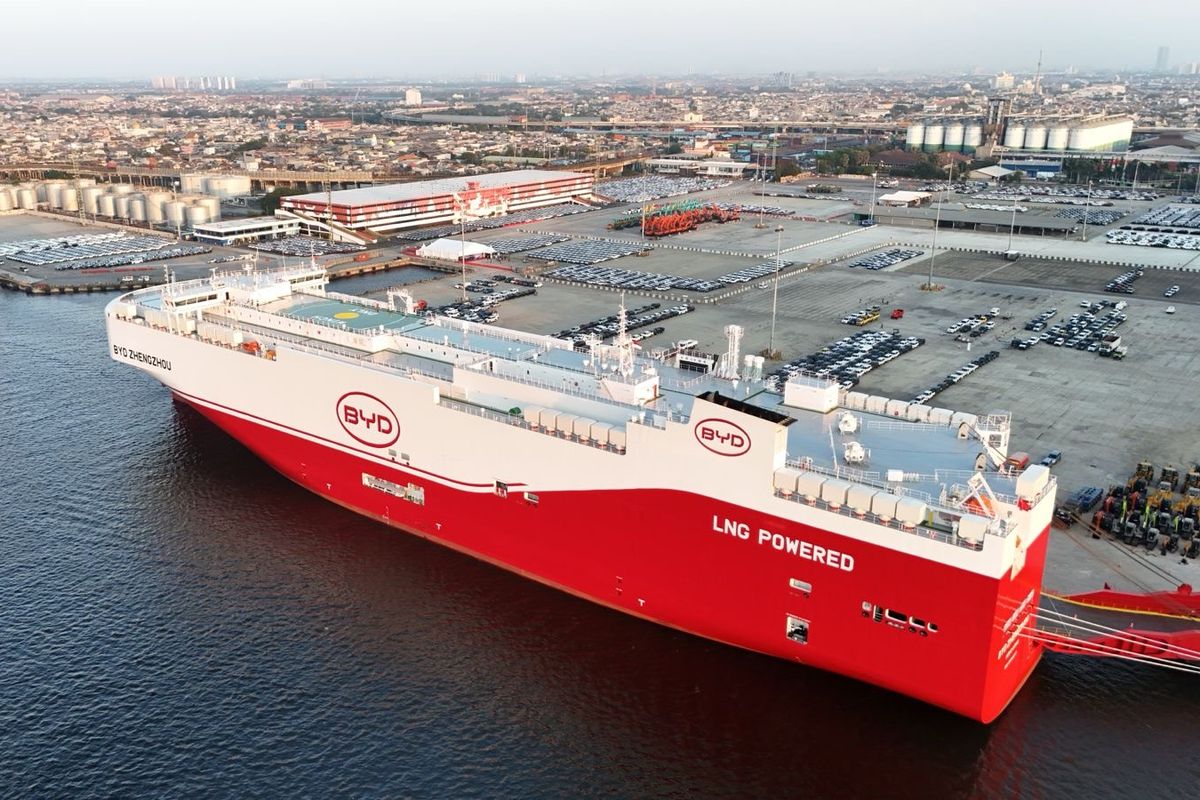
JAKARTA, KOMPAS.com - Indonesia’s Ministry of Industry said there are no current discussions on extending incentives for importing completely built-up (CBU) electric vehicles (EVs) beyond this year. The policy, introduced under Ministerial Regulation No. 6/2023 and amended by No. 1/2024, is set to expire at the end of 2025.
Mahardi Tunggul Wicaksono, Director of Maritime, Transportation, and Defense Equipment Industries at the ministry, confirmed that no meetings have been held with other government agencies regarding the program’s future.
“As of today, we haven’t had any discussions with other ministries or agencies on whether these incentives will continue,” Tunggul said.
“So, based on the existing regulations, we can assume the incentives will end.”
Since February 2024, the government has waived import duties and luxury sales tax on fully built battery electric vehicles (BEVs). To qualify, automakers must provide a bank guarantee and commit to producing EVs locally at a ratio of 1:1 after imports. This scheme is valid until December 2025.
From January 2026 through the end of 2027, manufacturers must meet local content requirements under the country’s domestic production roadmap. Companies that fail to comply will forfeit their bank guarantee to the state.
Six automakers have joined the CBU import program, pledging investments of about 15.5 trillion rupiah (roughly $950 million) and a combined annual production capacity of up to 305,000 units.
Among them:
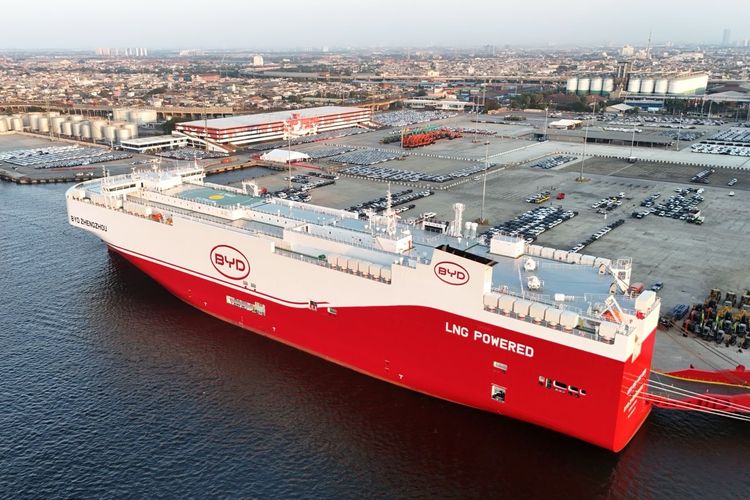
BYD Auto plans to invest Rp 11.26 trillion for a 150,000-unit facility, though construction was only 45% complete as of May 2025.
VinFast is building a plant with 50,000-unit capacity, now 77% finished as of August 2025.
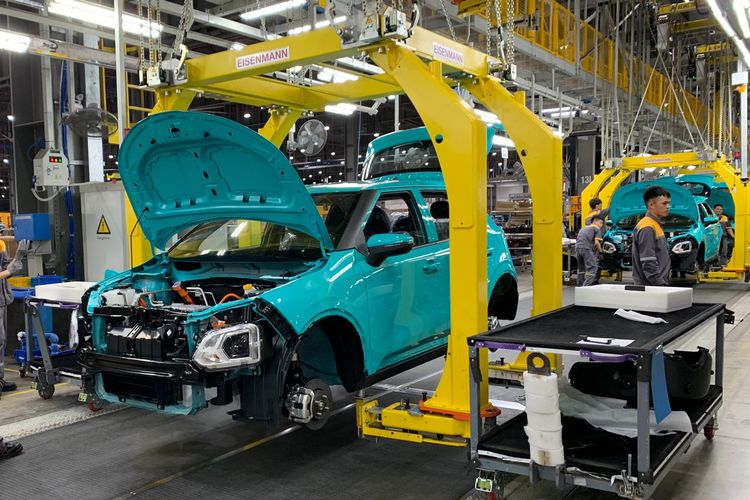
Other participants include Geely and Xpeng, which are partnering with local assembler PT Handal Indonesia Motor. Companies such as PT National Assemblers and PT Inchcape Indomobil Energi Baru are expanding existing facilities, with some already operational.
The looming deadline poses a challenge for Chinese automakers that rely on imports, as several factory projects are unlikely to be ready by late 2025. That could delay local production just as the incentive window closes in less than four months.
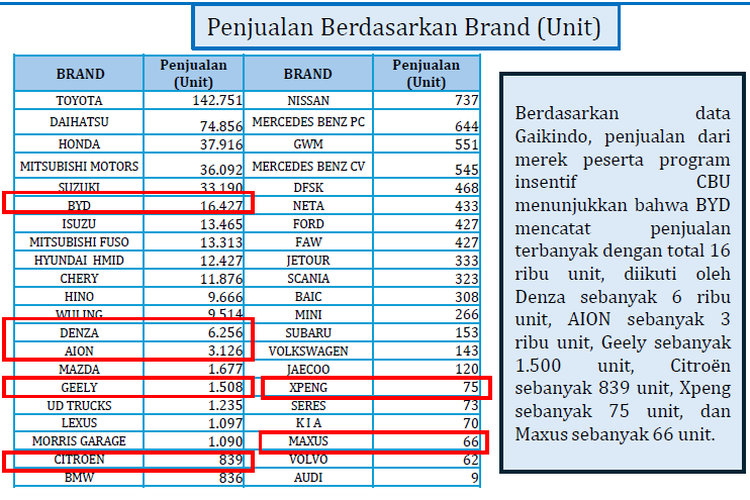
BYD, for instance, sold 16,532 units and imported 20,795 EVs by July 2025, excluding its Denza sub-brand, which added about 7,800 units. Other sales figures include Aion (3,000 units), Geely (1,500), Citroën (839), Xpeng (75), and Maxus (66).
These companies are expected to lobby the government for an extension—either for the incentive period or factory completion deadlines—into early 2026 to maintain supply and business continuity.
Ending the incentive could boost state revenues as Jakarta seeks to strengthen its fiscal position. With VAT and luxury tax estimated at 10 - 15% of a car’s retail price, potential tax revenue could reach hundreds of billions -or even trillions- of rupiah annually.
In 2024, sales of CBU-imported EVs under the program reached about 34,000 units, roughly 76% of the national market of 44,557 units. Assuming an average price of Rp 350 million (21,500 US dolar), deferred taxes could total Rp 1.2 trillion to 1.8 trillion (75 - 115 million US dolar).
Between January and July 2025 alone, participating manufacturers sold 28,257 units (68% of the market), representing potential tax revenues of Rp 989 billion to 1.4 trillion.
As a result, ending the CBU import incentives by year-end may offer the government what officials call a “low-hanging fruit” to boost state coffers.