"Little girls only look cute and tiny in the eyes of adults. To one another, they are not cute. They are the same size as humans." (Margaret Atwood, Cat's Eye)
WEDNESDAY night, November 25, 2026, Silvia Nur Intania Putri (17), a 12th-grade student at SMAN 7 Malang, was picked up by two friends from her home in Blimbing.
Half an hour later, she was pulled off a motorcycle, hit on the head, and kicked repeatedly.
By midnight, her family found her in the emergency room at Lavalette Hospital, already deceased. An autopsy recorded blunt force trauma to the back of her head (TvOnenews, 2026).
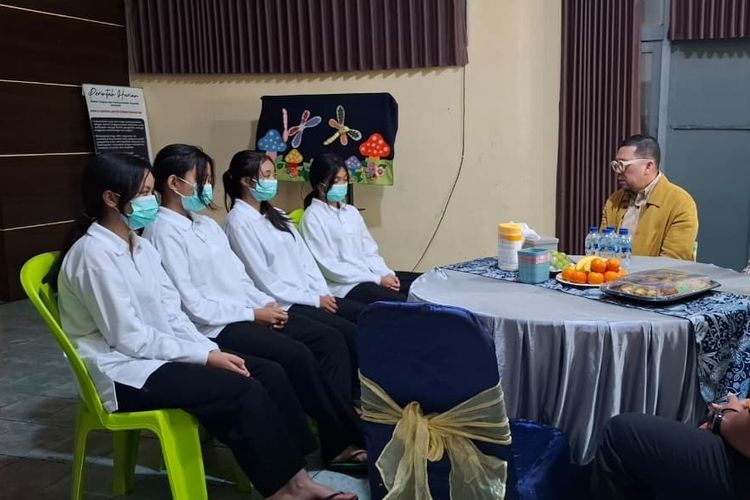
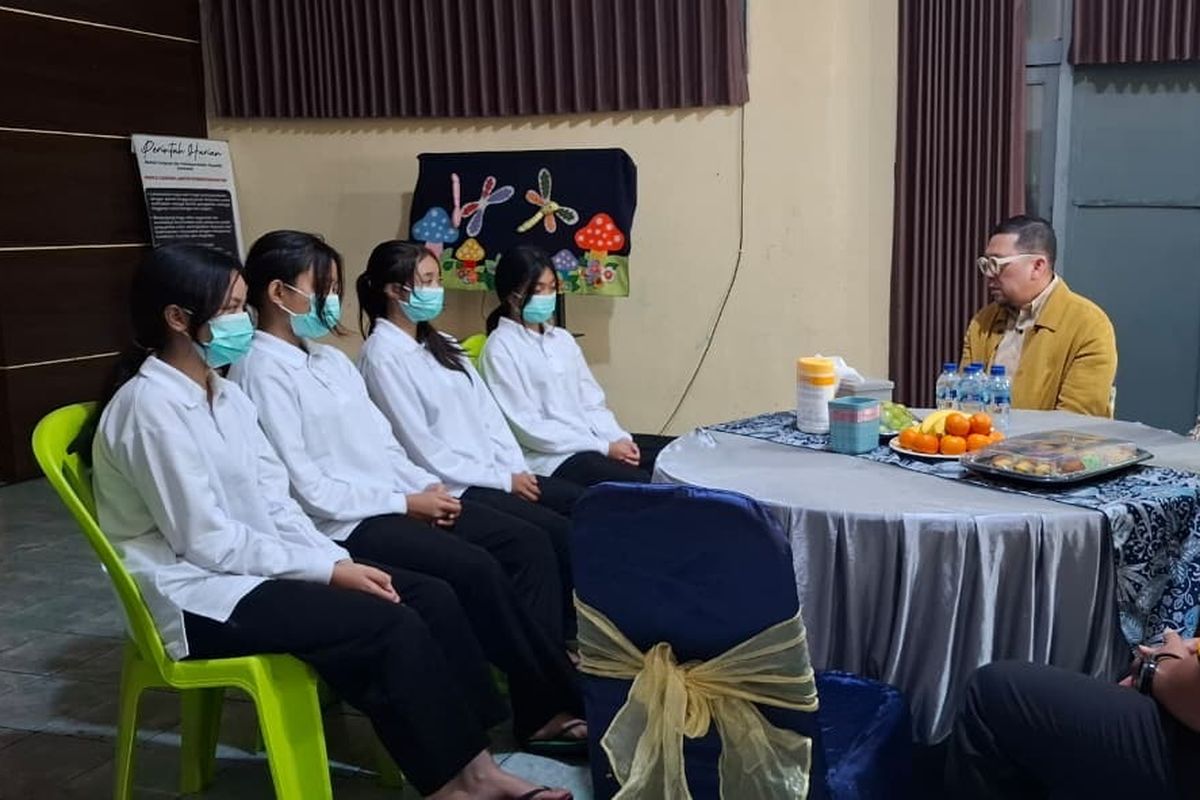
The police have detained four teenage girls identified as CAN, WRL, SP, and IDH (TvOnenews, 2026). They are still suspects, and we must respect the legal process.
However, one thing is certain: this is not an isolated incident. There have been several other cases elsewhere.
This article focuses on a simple point. The violence among students in Indonesia recurs with almost the same pattern since the Pati case in 2008.
What is happening with our youth? This pattern continues because we treat each case as a momentary sensation rather than as a systemic failure that can be learned from.
Four Cases, One Pattern
From the Pati case (2008) to Malang (2026), four cases of assault and bullying among female students have emerged, showing the same pattern: group offenders, female victims, trivial triggers, and the violence only revealed after going viral or when there is a fatality.
The story began in Pati in June 2008. Lusi, a junior high school student, was lured into a narrow alley called Gang Cinta in Juwana.
There, she was beaten, kicked, and spit on in turn by a group of teenage girls who called themselves the Nero Gang.
The violence surfaced when the recording went viral in Pati, leading police to arrest five gang members (Detik, 2008).
Eleven years later, on March 29, 2019, a similar pattern emerged in Pontianak. A 14-year-old junior high school student, known publicly as Audrey, was assaulted by high school girls from various schools.
According to KPPAD West Kalimantan, twelve girls were involved, three of whom were primary perpetrators (Detik, 2019). The trigger was a romance issue and online taunts.
The victim only reported the incident a week later, and the case exploded into national attention through the hashtag #JusticeForAudrey (CNN Indonesia, 2019).
In early 2023, it was Karanganyar's turn. The parents of SSR (16), a second-grade student at a private high school, reported eight girls to the Karanganyar Police on January 30, 2023.
Here, the violence did not start with physical assault. It began with verbal and non-verbal bullying in the form of insults and derogatory comments that reportedly started in 2022 (Kompas, 2023).
The peak occurred in Malang on November 25, 2026. Silvia (17), a student at SMAN 7 Malang, was picked up by two teenage girls identified as SP (16) and IDH (17), and then brutally assaulted to death (Ipol, 2026).
Police arrested the four girls suspected of involvement, while the motive has yet to be disclosed. Public anger escalated to the point where a mob stormed the house of one of the suspects (JatimTimes, 2026).
Observe the timeline. In 2008, the tool for dissemination was the cellphone camera. In 2019, it was Facebook and hashtags on Twitter. In 2026, chat groups and viral videos took center stage.
The technology has changed, but the modus operandi is strikingly similar: the victim is picked up or lured by someone they know, taken to a secluded place, and then assaulted.
There is a gender-biased myth that physical violence in schools pertains to boys. According to this myth, girls only gossip or isolate friends they dislike.
The four cases above debunk this myth. This myth is dangerous as it causes adults to overlook early warning signs.
Four common threads must be analyzed together. First, the power of the group. None of these incidents were carried out alone.
In Pontianak, there were twelve people present, three of whom were the principal offenders (Detik, 2019). The group dilutes guilt as each member feels they are "just following along." It also turns violence into a ritual to prove loyalty.
Second, seemingly trivial triggers. Romance issues, jibes on social media, and feelings of "being unappreciated" keep surfacing (CNN Indonesia, 2019).
The triggers are minor, but stakes for teenagers are substantial: status and self-esteem in the eyes of their peers. Children who lack other ways to manage shame and jealousy resort to the most brutal means.
Third, the camera's role in violence. Since the Nero Gang, violence has been recorded (Detik, 2008).
The footage serves not only as evidence but also as part of the punishment: the victim is humiliated twice—once at the scene and again onscreen. Viewers who laugh or remain silent also become passive perpetrators.
Fourth, the ignored signs. The bullying in Karanganyar was reported to have been ongoing since 2022 before being reported in 2023 (Kompas, 2023). The Pontianak victim only reported a week after the incident (CNN Indonesia, 2019).
Physical violence is almost always preceded by teasing, threats, and ostracism that should have been detected by school counselors, homeroom teachers, or parents (Olweus, 1993).
A Victimology Perspective
Criminology explains the perpetrators, while victimology asks about the victims: why they became targets, and what happens to them after the violence stops.
Structural vulnerability, not victims' faults. Von Hentig (1948) was among the first to map vulnerable groups as victims.
Among these groups are young people and women, who are more easily subdued both physically and socially.
Schafer (1968) categorized them as victims who are biologically or socially weak and do not bear responsibility for the crimes against them.
Mendelsohn (1956) placed such victims at the end of his typology, as completely innocent victims.
Lusi, Audrey, SSR, and Silvia were students ensnared or surrounded by larger groups, and in the case of Pontianak, older individuals.
Regarding the "ideal victim" trap. Christie (1986) explains that society is most easily sympathetic to "ideal victims".
An ideal victim is weak, engaged in honorable activities, cannot be blamed, and is attacked by wicked strangers.
Victims of violence among female students rarely fit this description. The perpetrators are their peers, and the triggers are often tied to romance issues or social media posts.
As a result, the public easily slips into victim-blaming questions like "What did she do?" or "There must be a boyfriend issue." Such questions shift the burden from the perpetrator to the victim.
About secondary victimization, Symonds (1980) referred to the mistreatment victims receive from their environment and institutions after a crime as "a second wound".
In these cases, the second wound is real. Violent videos are redistributed, there is pressure to reconcile, and the victim's identity circulates on social media.
The public's anger that burned a car in front of a suspect's house in Malang (JatimTimes, 2026) also yielded no results; it merely added another layer of violence.
Viewers also determine the victim's fate. Latané and Darley (1970) indicated that the more witnesses there are, the fewer the chances that anyone will help, as the responsibility feels divided.
In Pontianak, dozens of teenagers were present, but few participated in the assault (Detik, 2019). The rest merely watched, with some recording.
In victimology, these bystanders are not neutral parties. Their silence contributes to prolonging the victim's suffering.
Finally, regarding support for victims and their rights as core to justice.
Arif Gosita (1993) emphasizes that victims should be understood broadly, including families who also suffer.
Victims also have rights to protection, recovery, and restitution, not just to serve as witnesses in case of the perpetrator.
In Indonesia, these rights have a legal basis, including restitution for child victims of crime (PP 43/2017).
However, these rights are rarely discussed whenever cases like this go viral. From a victimology perspective, the measure of successful handling is how much the victim and their family recover, not how severe the punishment imposed on the perpetrator.
How does the juvenile criminal justice system regulate?
First, most perpetrators in these cases are not under 14 years old, so they cannot be sentenced to prison.
The perpetrator in Pontianak was a high school student (Detik, 2019). The two suspects in Malang are 16 and 17 years old (Ipol, 2026). Legally, they can face prison sentences if proven in court.
At this age, the Child Criminal Justice System Law still opens the door to criminalization, with penalties up to half of that for adults (Article 81 paragraph (2) Law 11/2012).
Diversion only applies to offenses with penalties under 7 years (Article 7 paragraph (2) Law 11/2012).
So, for violence resulting in death, the law does not force us to choose between "imprisoning a child" and "letting them go".
What is demanded is a serious process: thorough evidence collection, a clear delineation of each perpetrator's role, and proportionate penalties.
Second, restorative justice should not be another term for "peace". In Audrey's case, KPPAD Kalbar even had to dispel rumors that the matter would be resolved peacefully (Detik, 2019).
Zehr (1990), a pioneer of restorative justice, positions crime as a violation against people and relationships.
Therefore, its first question is who has been harmed and what their needs are, not how quickly the matter can be settled.
In the end, the measure of justice is not how long the perpetrator is incarcerated. It is whether the victim and their family recover, whether the perpetrator genuinely changes, and whether the negligent institutions also bear the consequences (Harefa, 2026).
Public anger is understandable. However, the mob that stormed the suspect's house to the point of burning cars (JatimTimes, 2026) merely replicated the same logic as the perpetrators: punishing collectively outside the rules.
Braithwaite (1989) distinguishes between stigmatizing shame that ostracizes and condemning behavior while still allowing for the perpetrator's reintegration. He argues that stigmatization pushes perpetrators toward deviant groups.
Anticipating the Future
If patterns have been evident since 2008, prevention strategies can also be formulated. There are five layers that must work in tandem.
First, schools. The violence prevention and mitigation team required by Permendikbudristek 46/2023 must genuinely function, not just exist on paper.
The Olweus bullying prevention program shows that interventions are most effective when carried out simultaneously at the school, class, and individual levels, starting with surveys to map the extent of the problem (Olweus, 1993).
Practical implementation can start with concrete measures: periodic and anonymous school climate surveys, complaint channels that do not require victims to confront perpetrators, and trained counselors capable of recognizing relational aggression among female students, such as ostracism, jibes in groups, and veiled threats (Crick & Grotpeter, 1995).
Schools' responsibilities also extend beyond their gates. A lot of violence in these cases occurs outside school but begins from relations within the school.
Second, families. In the Malang case, it is essential to investigate the family and social environment of the suspects. Have their families been functional or dysfunctional?
Is there a pattern of upbringing or psychological trauma experienced by the suspects that contributes to the violence they commit?
How do parents and families supervise and ensure the healthy and positive growth of their children? Care and parental involvement are the first defenses against delinquency (Hirschi, 1969).
Conversations about managing feelings of jealousy, shame, and conflict with friends need to start at home long before conflicts erupt (Agnew, 1992).
Positive parenting also means being present in children's digital lives. Parents need to agree on gadget usage rules with their children, such as screen time limits, no gadgets in bedrooms at night, and age-appropriate parental controls.
More important than just restrictions, parents need to know what chat groups their children belong to, whose accounts they follow, and with whom they interact online, without making the child feel spied on.
Third, social media and digital platforms. The four cases above demonstrate that social media are not merely dissemination tools but also play roles in shaping the violence itself.
Children are exposed daily to content involving fights, bullying, and insults packaged as entertainment, and algorithms constantly present similar content because it drives clicks.
Perpetually viewing violence gradually leads to acceptance of it as normal, which can even result in imitation and recording for recognition (Bandura, 1977).
The problem is that control over destructive and violent content remains weak across all levels.
The government has established PP Number 17 of 2025 regarding the management of the electronic system in child protection, but the implementation oversight, including age verification and sanctions for negligent platforms, is still lacking.
Social media platforms spread violent videos faster than they remove them, and their reporting systems have yet to favor children.
The environment and society tend to be permissive: watching, laughing, sharing, then forgetting.
The state must enforce the rules firmly, platforms must filter and swiftly remove violent content involving children, and society needs to muster the courage to report it instead of sharing it.
Fourth, the state and law enforcement. Legal processes must be transparent and not conclude with mediation that pressures victims.
Psychological support must be provided for victims, witnesses, and families, and the restitution rights of child victims must truly be pursued (PP 43/2017; Gosita, 1993).
Child offenders need rehabilitative measures whose results are assessed (Harefa, 2026). The criticism from the House of Representatives that the Ministry of Women's Empowerment and Child Protection's programs are not just about socialization (Suara.com, 2026) must be answered with data: how many schools truly have active prevention teams, and how many complaints have been adequately addressed.
Fifth, children's mental health. Behind every offender and victim are children whose mental health needs attention.
The Indonesian National Adolescent Mental Health Survey (I-NAMHS, 2022) found that about one in three Indonesian teenagers experienced a mental health issue in the last twelve months, but only a small fraction accessed services.
Unmanaged anger, jealousy, experiences of violence at home, or repressed trauma can erupt into aggression against peers.
Therefore, the state, schools, families, and society must be genuinely concerned about children's mental health.
The state needs to ensure that counseling and child psychologist services are available and accessible even at the community health center level.
Schools need to conduct early detection as well as provide adequately trained school counselors.
Families need to be sensitive to their children's behavioral changes and not dismiss emotional complaints as mere expressions of being spoiled.
Society must stop stigmatizing children who seek help. Mental health support must be facilitated not only for victims after violence occurs but also for children showing early signs of trouble before they become perpetrators.
One last note for all of us: stop sharing violent videos. Every time we share them, we extend the punishment for the victim (Symonds, 1980) and teach other children that violence is a spectacle that can be imitated (Bandura, 1977).
Lusi in Pati, Audrey in Pontianak, SSR in Karanganyar, and Silvia in Malang are separated by distance and time over 18 years. They are united by one thing: adults around them only act after it is too late.
Silvia was said to have recently earned a scholarship to study in South Korea (tvOnenews, 2026). The future cannot be restored by any punishment.
What we can still save are the next children, both potential victims and potential offenders/Children in Conflict with the Law.
Justice for Silvia is not just about a prison sentence for the four teenage girls. Justice for her means ensuring no more names need to be added to the list of perpetrators of violence among female students.