

Prabowo Attends the Peak Celebration of National Teacher's Day in Sentul
-
News
-
2 minutes ago
This article was translated by AI. Read the original article on Kompas.com. See Original
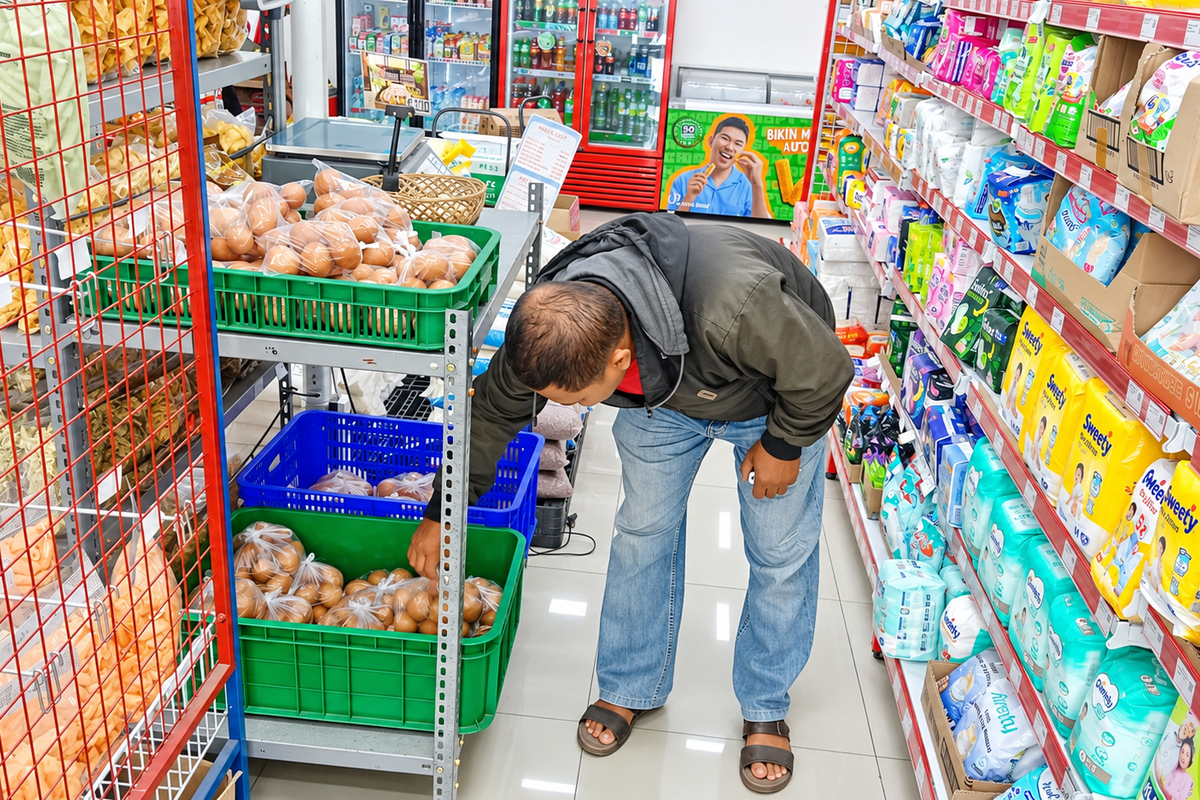
BOYOLALI, KOMPAS.com – Maintaining affordable prices for essential goods is one of the primary focuses of the Red and White Village Cooperative (KDMP) Metuk, located in Metuk Village, Mojosongo District, Boyolali Regency, Central Java.
To achieve this, the cooperative not only relies on supplies from large distributors but also partners with local rice mills and provides wholesale services for convenience stores in the surrounding village.
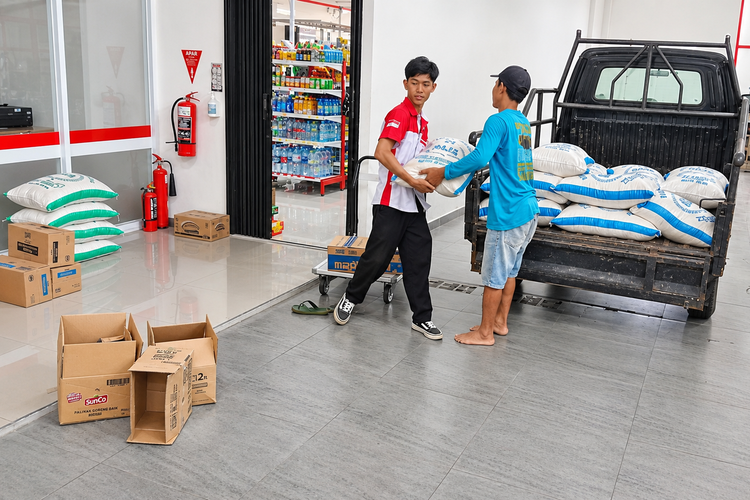
One ongoing collaboration involves sourcing rice from a milling facility located about 100 meters from the KDMP Metuk outlet.
The mill buys rice paddy from local farmers, processes it into rice, and then supplies the results to the cooperative for resale to the community.
Gunawan, the Deputy Manager of KDMP Metuk, explained that this collaboration is part of the cooperative’s efforts to build a food supply chain involving local business actors.
"So, this mill buys the paddy from local farmers. Then they process it, and we buy the milled rice," Gunawan said in an interview with Kompas.com on Monday (23/11/2026).
In addition to this mill, KDMP Metuk collaborates with another facility that supplies red rice and organic white rice. The rice is typically procured twice a week, or up to three times depending on demand.
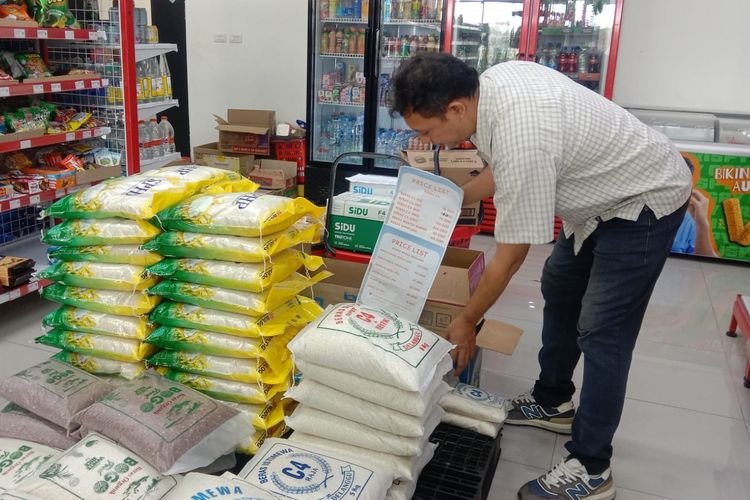 In addition to local rice, KDMP Metuk also provides rice from the Stabilization Supply and Price of Food (SPHP) program from Bulog.
All rice purchases from the two mills are made on a buy-out basis. This means that the cooperative buys products to resell, rather than merely receiving consigned goods from suppliers.
Beyond local rice, KDMP Metuk also offers rice from the Stabilization Supply and Price of Food program (SPHP) from Bulog, alongside other essential goods such as cooking oil, eggs, sugar, and flour.
Particularly for SPHP rice, the selling price adheres to government regulations. According to the National Food Agency (Bapanas) information from September 2026, village cooperatives are among the official distribution channels with a maximum retail price (HET) in Java set at Rp 12,500 per kilogram.
The availability of local rice and SPHP provides options for residents to meet their food needs according to the types and prices available at the cooperative store.
In addition to ensuring supply, KDMP Metuk employs a distinct strategy in setting selling prices for essential goods.
Gunawan stated that the cooperative strives to purchase items in bulk to obtain wholesale pricing from distributors. This purchasing approach also opens up opportunities for additional discounts if the quantity ordered reaches certain targets.
With lower purchase prices, the cooperative can offer more competitive selling prices to consumers.
However, prices are not set arbitrarily. Before determining selling prices, the management conducts surveys at local markets, minimarkets, and convenience stores in the surrounding village.
The survey results then serve as benchmarks to ensure that the prices of items sold remain affordable, without creating too significant a price gap compared to local vendors.
"At the retail front, the price difference (of KDMP products) with village stores is not substantial. It’s usually around Rp 500 to a maximum of Rp 1,000," Gunawan noted.
According to Gunawan, maintaining competitive prices is also a consideration when the prices of staple goods from suppliers increase, particularly rice, eggs, and sugar.
Instead of immediately raising selling prices, the cooperative attempts to maintain them by reducing profits from these goods.
"We strive to hold the prices steady. Even if we must increase them, it will be a little," he explained.
Gunawan cited an example where profit, originally Rp 500 per item, can be reduced to Rp 300 when supply prices rise.
This reduction in profit can be supported by selling other products with larger margins, such as cosmetics and body care items.
This method is chosen because customers typically do not only buy one type of item while shopping. Besides staples, consumers also purchase various other household necessities.
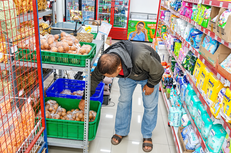
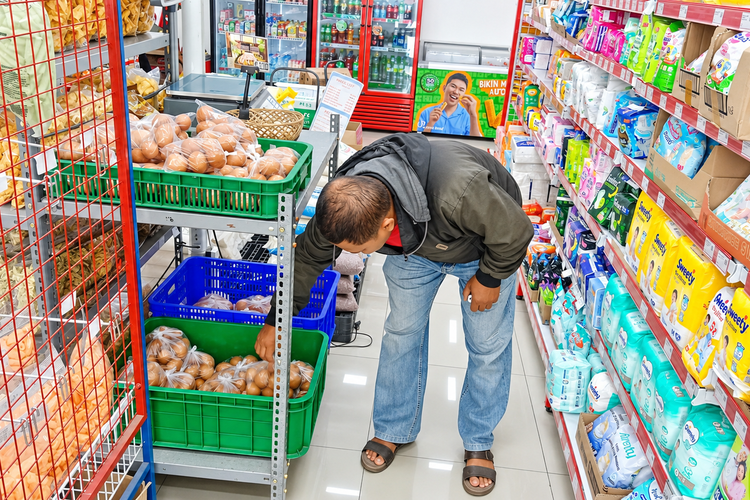
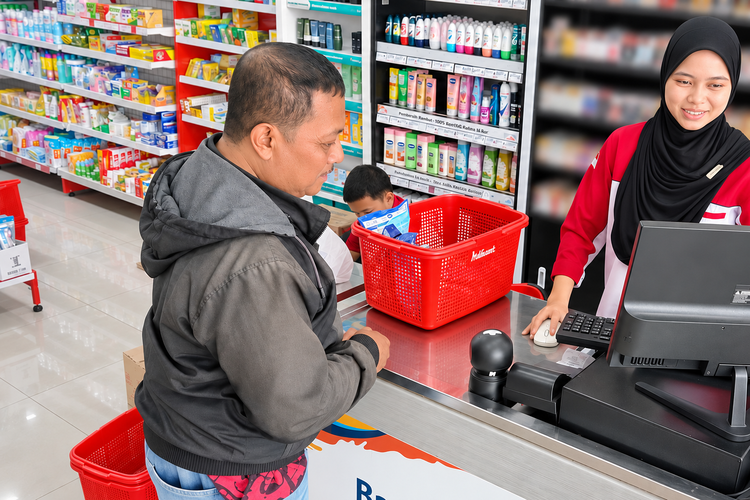 Visitors shopping at KDMP Metuk.
For residents, the price of goods is not the only consideration. The presence of the store in the village also makes it easier for them to meet daily needs without incurring travel costs to markets or wholesale centers that are further away.
Fahmi Cahyaningrum, one of the buyers at KDMP Metuk, noted the positive shopping experience with more affordable prices.
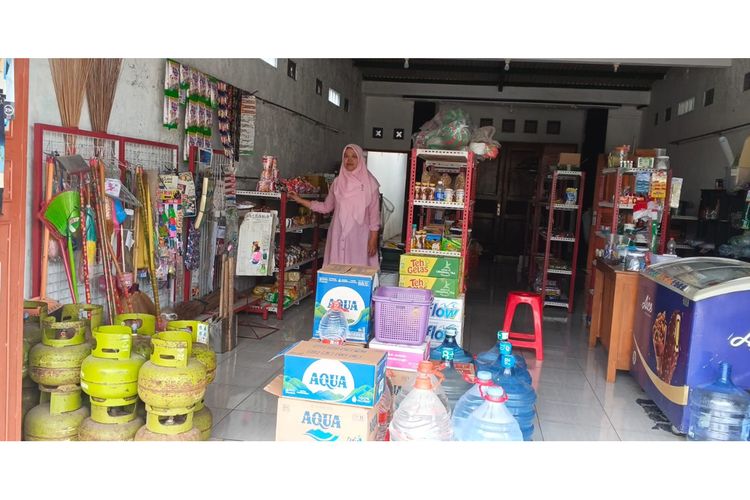
Fahmi mentioned coming to the cooperative to buy 3-kilogram LPG gas. He believes the prices are more affordable compared to several other places.
"The prices are quite reasonable. The gas is also cheaper here than elsewhere. It’s significantly cheaper here," Fahmi said.
Although a Rp 500 to Rp 1,000 price difference per item appears small, Fahmi emphasized that when residents buy several items at once, those savings can accumulate and allow for other household needs.
Fahmi hopes that the cooperative can continue to assist the public in obtaining their daily needs at more affordable prices.
"I hope it continues to help the small people because the prices are more affordable," he remarked.