
PPPK with NIP Allowed to Join CPNS 2026 Selection
-
News
-
2 minutes ago
This article was translated by AI. Read the original article on Kompas.com. See Original
JAKARTA, KOMPAS.com - The Ministry of Basic and Secondary Education (Kemendikdasmen) is currently evaluating four major fields of study that high school students can choose from: Technology and Engineering, Science and Health, Social Sciences, and Humanities.
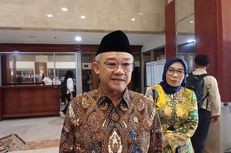
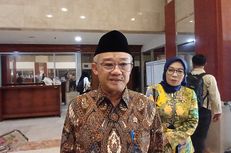
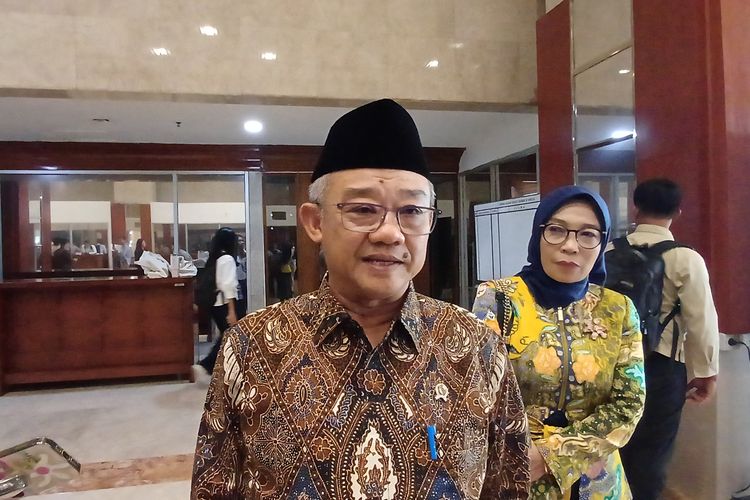
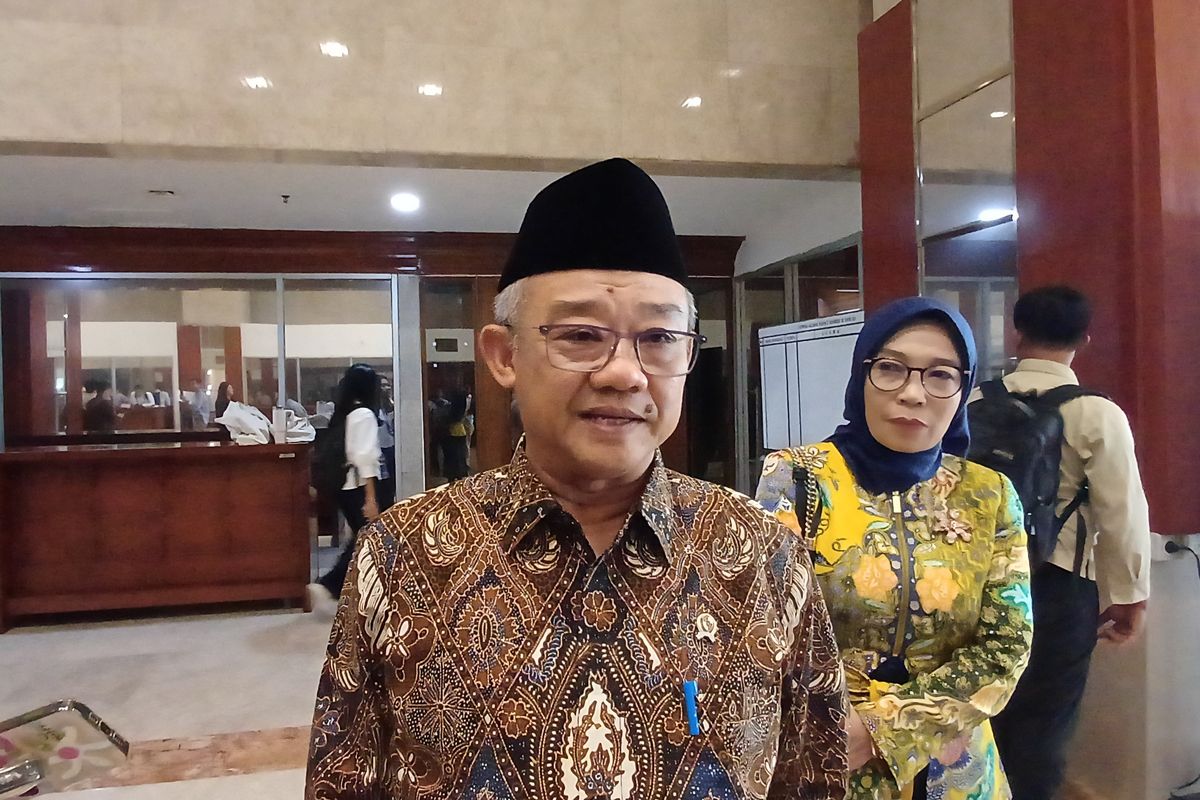
"The model we propose is a directed study program with these four fields: Technology and Engineering, Science and Health, Social Sciences, and Humanities," said Minister of Basic and Secondary Education Abdul Mu'ti during a meeting of Commission X of the House of Representatives in Jakarta on Wednesday (25/11/2026).
Mu'ti explained that, under the scheme prepared by Kemendikdasmen, students will enter one of these fields when they reach the 11th grade.
In the 10th grade, students will still receive general subjects to explore all available subjects.
"Exploration occurs in the first semester of 10th grade. This exploration begins with consolidation and determination in the second semester, with learning starting in the first semester of 11th grade. Students are given time to recognize their potential, supported by their guidance counselors and parents," said Mu'ti.
He mentioned that each field will comprise three compulsory subjects and one to two elective subjects.
However, Mu'ti acknowledged that the implementation of this tracking system must be accompanied by adequate readiness, guidance, and management.
He also admitted that there are challenges to be addressed for the implementation of this scheme.
For instance, there is uneven maturity among students in choosing their paths, often following trends or peer influence, as well as the issue of universities discovering gaps in students’ basic competencies.
"Additionally, there is the capacity of schools, including teachers, laboratory space, limited schedules, and uneven career guidance and information services," said Mu'ti.
Therefore, he emphasized that this tracking policy requires the involvement of various parties to succeed.
Kemendikdasmen will develop regulations and guidelines, while the Ministry of Research and Technology and universities will clarify subjects relevant to study programs and admission requirements for higher education.
Meanwhile, local education offices will play a role in mapping the readiness of teachers, facilities, guidance counselors, and guardians.
Even the role of parents is needed to support students' decisions.
"Tracking is not about boxing in students, but rather directing their talents so they do not go astray," said Mu'ti.