
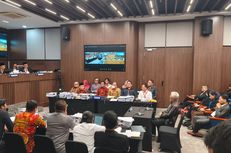
During the Hearing, a Witness States That the Article Exempting Educational Requirements Was Never Discussed by Commission II of the DPR
-
News
-
3 minutes ago
This article was translated by AI. Read the original article on Kompas.com. See Original
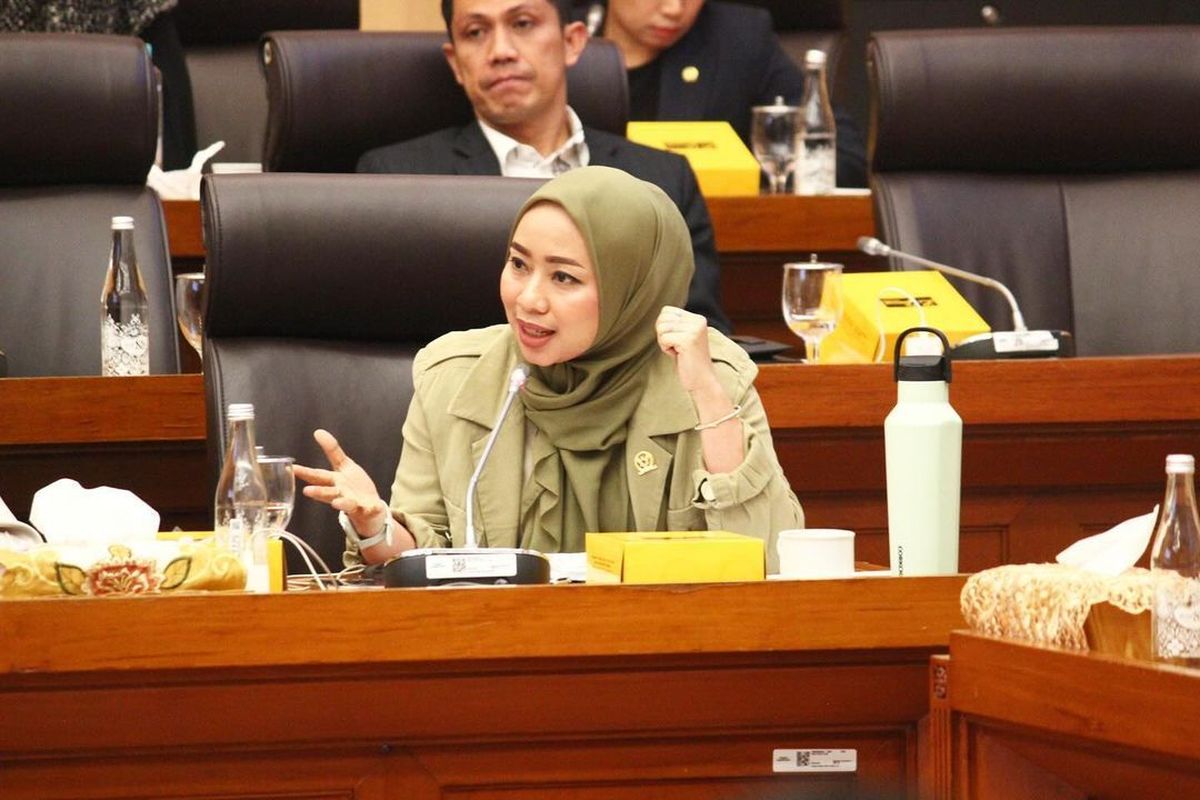
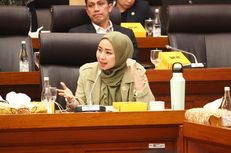
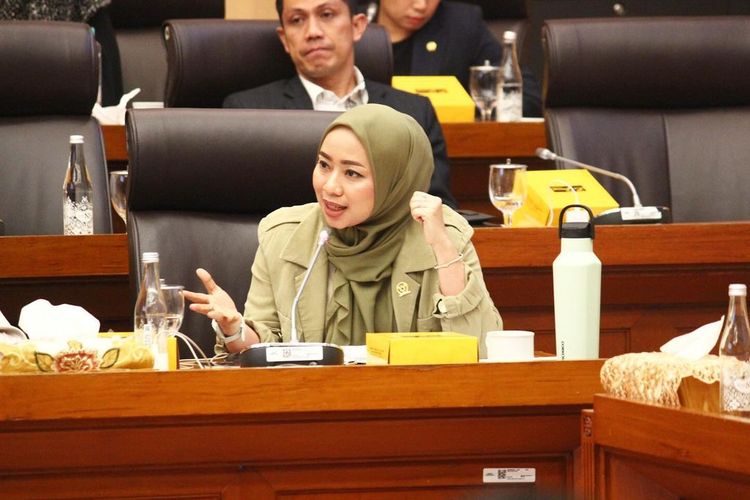
As a member of PKB, she hopes that the state can have a broader fiscal space to fund education, healthcare, infrastructure, and various basic needs for the community.
"We can’t keep burdening citizens with taxes while our natural wealth, which should be a source of mutual prosperity, is not maximally managed. The state needs to optimize revenue from natural resources to fund development and improve community welfare," she concluded.
Previously, the government discussed utilizing revenue from the mining sector to meet various national development needs, ranging from school construction, infrastructure, provision of clean water, to the development of new cities.
This plan emerged following President Prabowo Subianto's directive that 70 percent of the mining sector benefits should belong to the state.
Coordinating Minister for Downstream and Energy and Minister of Energy and Mineral Resources Bahlil Lahadalia stated that optimizing revenue from the mining sector is essential to support development financing needs.
"We need funds to build schools, infrastructure, local economies, various programs, and clean water. We currently need to build many new cities," Bahlil said at a press conference following the first coordination meeting of the Downstream and Energy Ministry in Jakarta on Monday (23/11/2026).
To realize Prabowo's directive, the government is formulating a way for 70 percent of the mining sector benefits to be allocated to the state.
This scheme is not yet final and is still under discussion with the President.
Bahlil explained that the government is preparing a different approach for ongoing mining activities and future mining management.
For existing mining activities, the government encourages that 70 percent of the revenues belong to the state.
For future mining management, the government is considering two options: state control over 70 percent through share ownership or revenue.
"In the future, we will arrange whether the option is for 70 percent to be controlled by the state through shares or revenue. We will draft this. I want to emphasize this is not final yet," he said.