

Fear of Resistance, Employees and Applicants Reveal Extortion Practices for Foreign Residents' Permits in Immigration
-
News
-
Just now
Writer
This article was translated by AI. Read the original article on Kompas.com. See Original
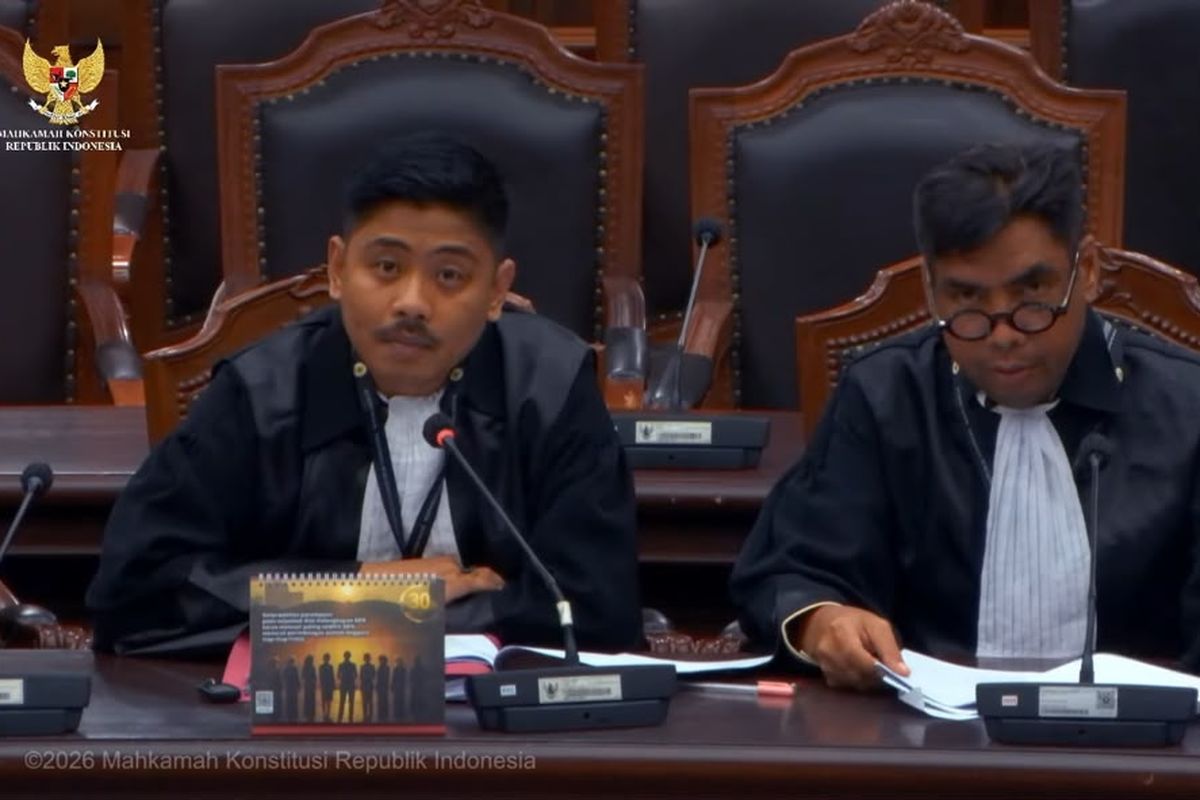
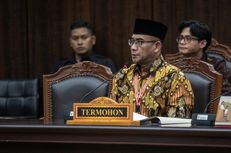
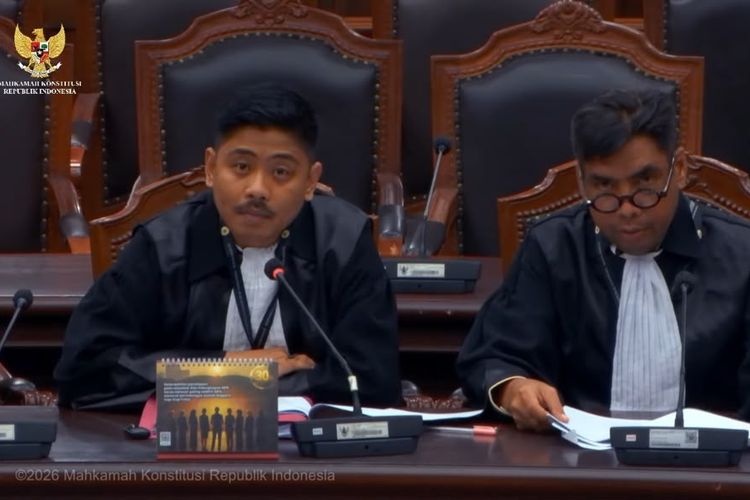
JAKARTA, KOMPAS.com - An Indonesian citizen named Jovi Andrea Bachtiar argues that the requirement for a high school diploma or equivalent in Law Number 7 of 2017 on Elections restricts opportunities for individuals to run for president (capres) and/or vice president (cawapres).
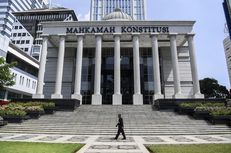
Consequently, he is challenging Article 169 letter r of the Election Law in the Constitutional Court (MK), claiming it contradicts the 1945 Constitution.
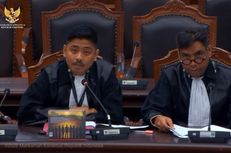
"Article 169 letter r of the Election Law limits the opportunities for citizens without formal high school diplomas or equivalents to run for president or vice president," Jovi stated during the preliminary hearing for case number 423/PUU-XXIV/2026 at the MK, Jakarta, on Tuesday (24/11/2026).
He explained that Article 169 letter r of the Election Law places a minimum educational requirement of a high school diploma or equivalent as one of the prerequisites to become a presidential or vice-presidential candidate.
This stipulation can spark political and social debate, as illustrated by the diploma controversy surrounding Gibran Rakabuming Raka.
Article 169 letter r of the Election Law states, "The requirements to be a candidate for President and Vice President are: r. having completed at least high school, madrasah aliyah, vocational high school, vocational madrasah aliyah, or other equivalent schools."
Jovi sees that the formal education requirements have now become a political contention that could disrupt national political stability and governance.
Moreover, the president and vice president are constitutional positions that are crucial for the continuity of state administration.
He believes that effective leadership, moral integrity, decision-making skills, an understanding of national issues, diplomatic abilities, and skills in managing government and state are necessary to fulfill these roles.
According to Jovi, these abilities cannot be automatically determined by holding a formal diploma at a certain level.
"Such restrictions do not consider a person's actual capacity, who may have extensive experience in government, community leadership, organization, business, or other professional fields," said Jovi.
"The petitioner asserts that equal opportunities in governance should not be given solely to citizens with certain formal education backgrounds, but also to those with leadership aptitude and capacity," he continued.
He mentioned that an individual possessing a high school diploma or equivalent may not necessarily have the leadership capabilities and competencies needed to govern the nation.
"Disproportionate administrative requirements could actually diminish democratic competition and hinder citizens' rights to participate in governance," Jovi stated.
In his plea, he requests that the MK declare Article 169 letter r of the Election Law unconstitutional and lacking legal binding power or remove it entirely.