

The Absurdity of Logic: Treason for the Police Chief’s Chair?
-
News
-
1 minute ago
Writer
This article was translated by AI. Read the original article on Kompas.com. See Original
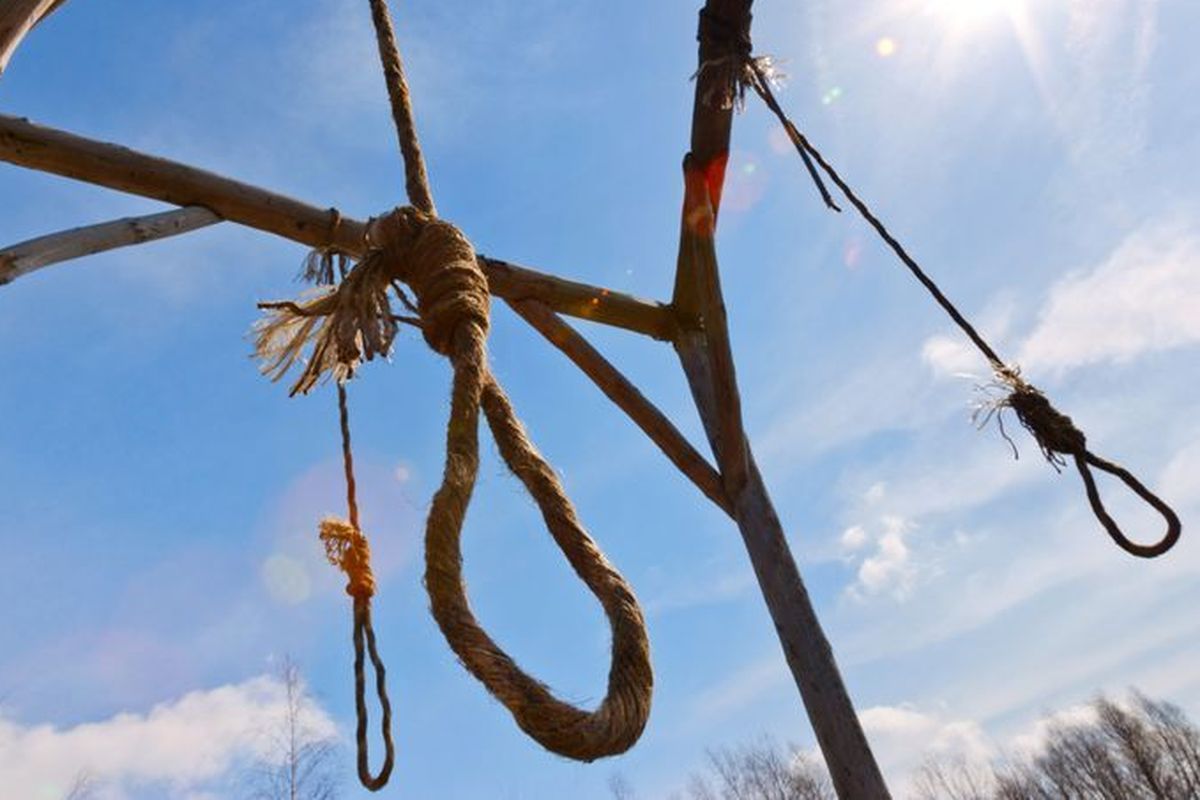
JAKARTA, KOMPAS.com - Member of the House of Representatives' Commission III, Nasir Djamil, urged for the methods and procedures for implementing the death penalty in the draft law on the Implementation Procedures for the Death Penalty to be clearly articulated, limited, and free from multiple interpretations.
He stated that this regulation should also include effective external oversight, protection for executing officials, and state accountability should any errors be discovered in the future.
"The implementation procedures must be humane, measured, and accountable," Nasir emphasized during a working meeting with the government discussing the Draft Law on the Implementation Procedures for the Death Penalty on Tuesday (24/11/2026), as quoted from a TVR Parliament YouTube broadcast.
He also advocated for the protection of the rights of death row inmates, which should include guarantees of legal assistance, communication with family members, access to healthcare services, and transparency of information.
Additionally, special attention is required for vulnerable groups and foreign nationals to ensure their rights are also upheld.
Families of the condemned must be granted adequate time to prepare before the execution of the death penalty.
"The rights to legal assistance, communication with family, healthcare services, and access to information need to be adequately guaranteed, including special provisions for vulnerable groups and the rights of foreign nationals," Nasir stated.
On the other hand, he assessed that this draft law is an urgent necessity following the enactment of Law Number 1 of 2023 on the Criminal Code (KUHP).
The new Criminal Code introduces a paradigm shift by classifying the death penalty as a special penalty that is applied as an alternative and used as a last resort.
"The provisions for the execution of the death penalty in force today were drafted for the old criminal law regime, thus a new law is needed to prevent legal gaps and inconsistencies," remarked the politician from the Prosperous Justice Party (PKS).
The government commenced discussions on the Draft Law concerning the Implementation Procedures for the Death Penalty with Commission III of the House of Representatives in a meeting held at the Parliament Complex in Senayan on Tuesday (24/11/2026).
Deputy Minister of Law Edward Omar Sharif Hiariej described several provisions that will be regulated in the draft law, including the rights of death row inmates, waiting times, and the stages of execution.
"The implementation of the death penalty must be conducted while upholding the protection of human rights and respecting the dignity and worth of all individuals, including death row inmates," Edward stated while reading the President's explanation in the working meeting with Commission III.
Edward elaborated that the draft law regulates several rights for death row inmates, including having suitable housing, family communication, and lawyer assistance.
Death row inmates also have the right to propose the location of their execution.
"Regulations on the rights of death row inmates include adequate housing, family communication, lawyer assistance, and the proposal for the execution location," Edward commented.
In addition to rights, Edward further noted that the draft law outlines the obligations of death row inmates, which must be in accordance with the existing regulations concerning corrections.
The government also incorporated provisions regarding waiting periods, clemency, and the health conditions of death row inmates.
"Regulations on waiting periods, clemency, and health conditions," Edward concluded.