
Chronology of BNN's Arrest of Suspect AA in International Narcotics Money Laundering Case
-
News
-
5 minutes ago
This article was translated by AI. Read the original article on Kompas.com. See Original
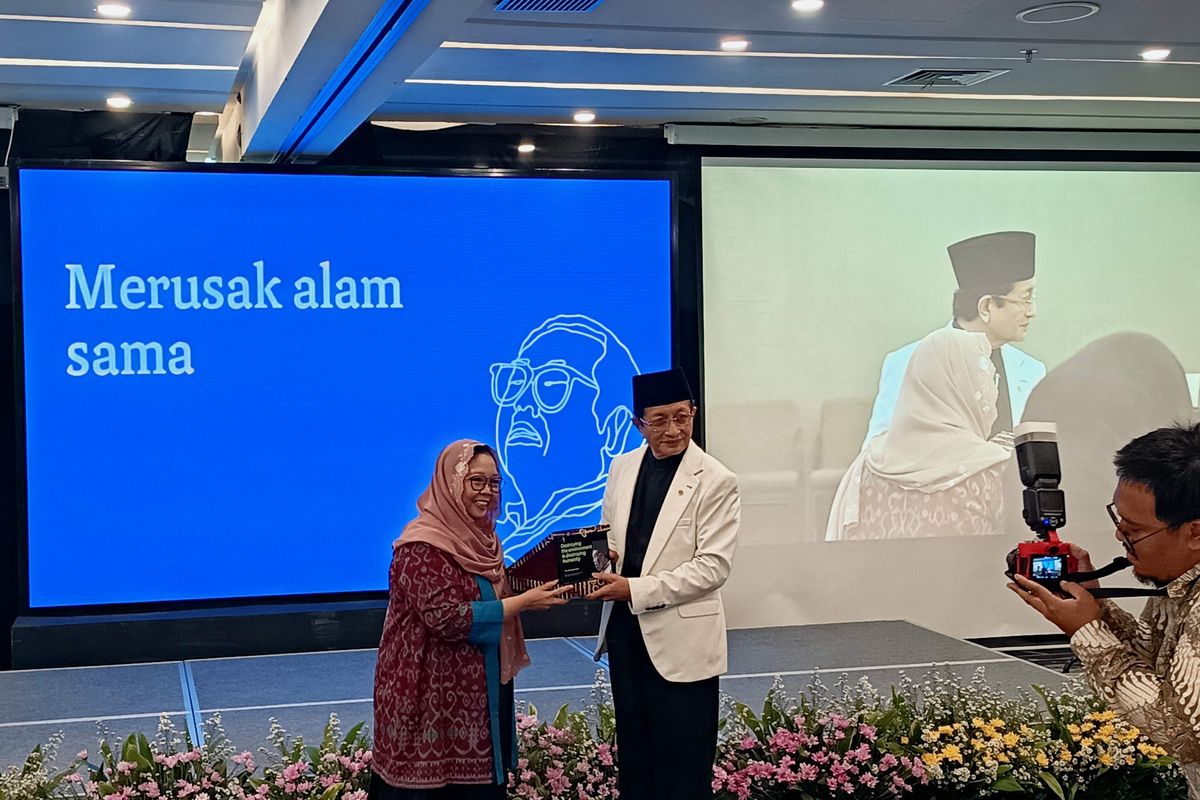
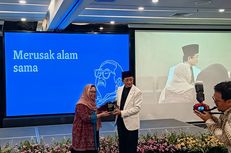
JAKARTA, KOMPAS.com - Alissa Wahid, the daughter of former President Abdurrahman Wahid (Gus Dur), discussed an interfaith group she co-manages that focuses on environmental conservation.
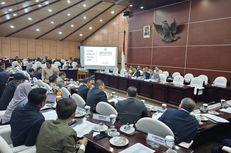
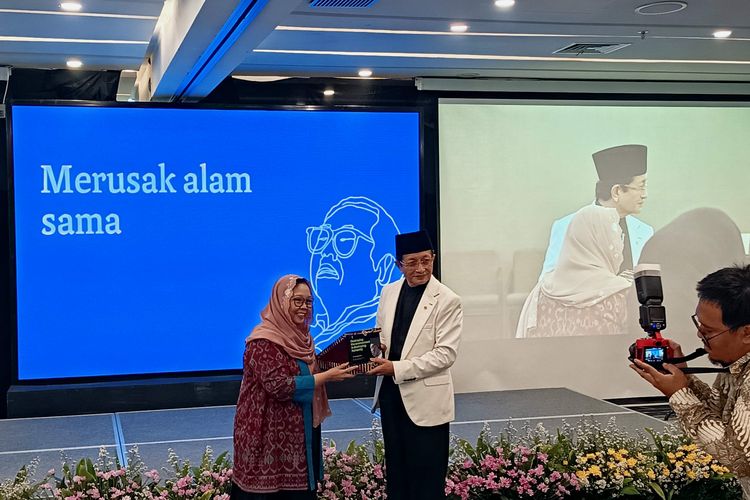
Alissa spoke at the National Policy Dialogue on Strengthening Multi-Stakeholder Collaboration in Indonesia on Environmental Issues, held in Cikini, Central Jakarta, on Tuesday (24/11/2026).
As the National Coordinator of the GUSDURian network, Alissa emphasized the importance of involving religious organizations to broaden the environmental conservation movement.
The group collaborates with interfaith organizations, government, indigenous communities, academics, and environmental activists to jointly address the environmental crisis.
Alissa explained that GUSDURian has spent the last four years developing a movement that links religious and environmental issues through the JAGAT program (Network of Religion for Nature and Tolerance).
The program operates in eight provinces, engaging communities focused on ecological issues and diversity.
Currently, the Gusdurian network consists of approximately 130 communities spread across various regions of Indonesia. The network aims to optimize involvement from interfaith communities in environmental protection.
“Therefore, we also really hope that this interfaith network, with at least 130 communities throughout Indonesia, can be optimized for the benefit of harmonizing human life with nature,” she stated.
The JAGAT activism encompasses policy advocacy, grassroots community support, litigation, and faith-based social movements.
At the event attended by Minister of Religious Affairs Nasaruddin Umar, Alissa highlighted that the JAGAT movement aligns with the ecotheology program that is one of the priorities of the Ministry of Religious Affairs.
Through collaborations among various parties, Alissa hopes that the environmental conservation movement will not stop at ceremonial activities but evolve into a collective movement involving communities down to the grassroots level.
“It turns out that the Ministry of Religious Affairs has launched the ecotheology program as a priority program. So, in Javanese terms, 'tumbu ketemu tutup' (where things come together),” she said.
Environmental issues should not solely be the responsibility of the government or groups working in the environmental field.
“We are very pleased today that we have successfully created a space for interaction between state actors or government officials and religious organizations, as well as local religious organizations or beliefs, indigenous communities, and academics, along with friends working on environmental issues,” Alissa remarked.