
Chronology of BNN's Arrest of Suspect AA in International Narcotics Money Laundering Case
-
News
-
6 minutes ago
This article was translated by AI. Read the original article on Kompas.com. See Original
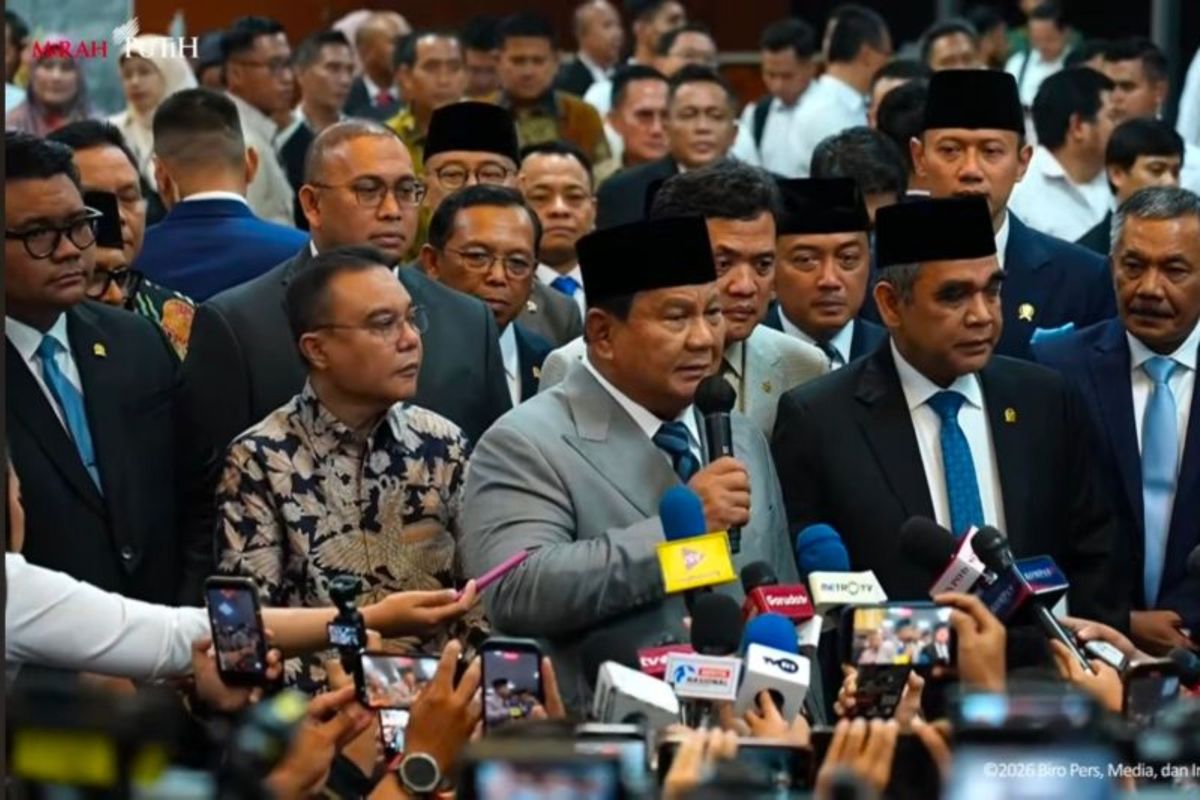
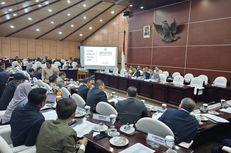
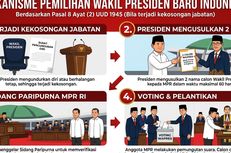
THE PLAN for the People's Consultative Assembly session on December 11, 2026, to fill the position of Vice President has garnered significant attention from the Indonesian public.
President Prabowo Subianto has proposed two cabinet figures, Sugiono and Andi Amran Sulaiman, in accordance with Article 8 paragraph (2) of the 1945 Constitution.
Procedurally, this proposal is valid under the constitution.
However, public debate remains fixated on calculating coalition maps and short-term political suitability.
The fundamental issue that has been overlooked is the absence of a measure of statesmanship as the primary benchmark for selection.
The term statesman is not a formal title automatically granted to public office holders; rather, it signifies the highest qualitative standard of national service.
According to the Indonesian Dictionary, a statesman is defined as someone skilled in governing and a political leader who adheres to principles while crafting policies with a forward-looking perspective.
In modern democratic practice, equating political electability with the quality of statesmanship is a serious miscalculation.
The role of the Vice President extends beyond simply being a government partner; it carries a constitutional mandate as the heir to national leadership in extraordinary circumstances.
The criticism regarding the current process of filling the Vice Presidential spot is not directed at Sugiono or Andi Amran Sulaiman, as both have demonstrated a clear track record in government.
The critical spotlight, rather, is aimed at the lack of an ethical and statesmanlike evaluation framework in the MPR's selection mechanism.
If the plenary session merely becomes a venue for ratifying faction agreements, the public will never see the candidates' statesmanship quality objectively.
Thus, national discourse must shift towards a comprehensive measure of statesmanship, through philosophical, ethical, legal dimensions, and historical benchmarks.
In philosophical and political dimensions, the first measure of a statesman is always distinctly separated from that of an ordinary politician.
Quoting the classic saying from American thinker James Freeman Clarke, politicians think about the next election, while statesmen think about the next generation.