

Three Vice Presidents Proposal: Have We Considered the Constitution?
-
News
-
11 minutes ago
This article was translated by AI. Read the original article on Kompas.com. See Original
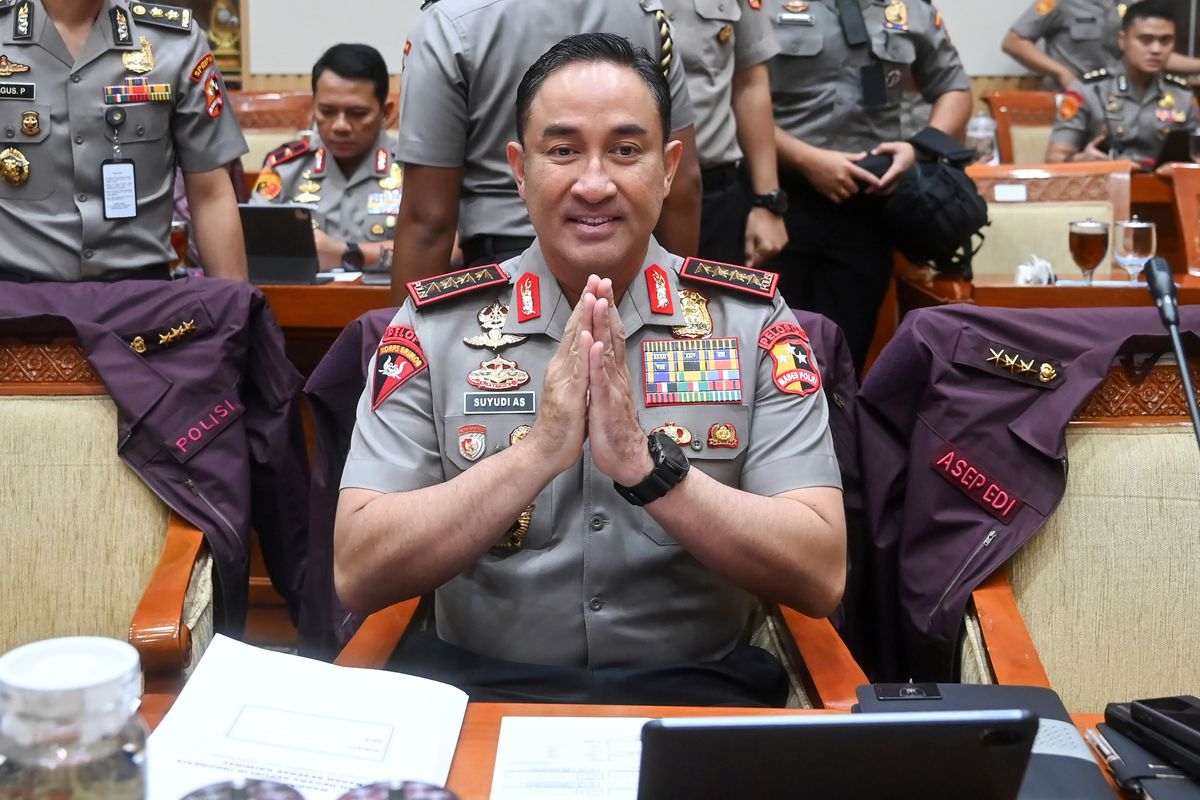
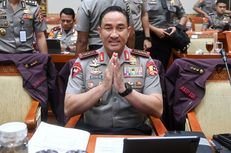
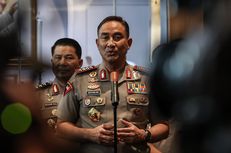
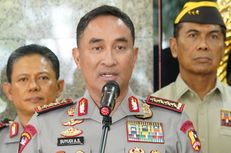
JAKARTA, KOMPAS.com - National Police Chief General Suyudi Ario Seto has reshuffled the ranks of the Bhayangkara Corps once again through a recent Telegram (ST) dispatch on Friday (20/11/2026).
This time, 704 personnel were transferred and/or rotated from various positions.
Police Public Relations Division Chief Inspector General Johnny Eddizon Isir stated that such transfers and/or rotations are normal within the dynamics of the Bhayangkara Corps organization.
In the reshuffle, Isir emphasized that personnel placements were conducted with meritocracy, competence, capability, and integrity in mind.
“This is part of the organization's efforts to ensure that each officer can perform their duties and responsibilities optimally,” he said.
As part of the reshuffle, several senior officers received new assignments as provincial police chiefs (kapolda), including Inspector General Alfred Papare as the Papua Kapolda, Inspector General Edfrie R. Maith as the West Papua Kapolda, Brigadier General Augustinus Berlianto Pangaribuan as the Bengkulu Kapolda, Inspector General Langgeng Purnomo as the Southeast Sulawesi Kapolda, Inspector General Abioso Seno Aji as the DI Yogyakarta Kapolda, and Inspector General Almas Widodo Kolopaking as the South Kalimantan Kapolda.
In addition, several other officers were assigned as deputy provincial police chiefs (wakapolda), including Kombes Pol Octo Budhi Prasetyo in North Kalimantan, Brigadier General Beny Arjanto in West Kalimantan, Kombes Pol Purwadi Wahyu Anggoro in DI Yogyakarta, Brigadier General Donny Adityawarman in Bengkulu, Brigadier General I Gusti Kade Budhi Harryarsana in Southeast Sulawesi, and Kombes Pol Sugeng Hariyanto in North Maluku.
Meanwhile, at the National Police Headquarters, Brigadier General Iksantyo Bagus Pramono was appointed as the new Chief of the Law Division, Inspector General Yulius Audie Sonny Latuheru as the Deputy Head of the Education and Training Institute, and Brigadier General Dwi Agus Prianto as the Chief of the Law and Information Division.
The reshuffle also includes changes to several district police chief positions and other roles within the police as part of organizational refreshing and reassignment needs.
In this reshuffle, Suyudi also dismissed three high-ranking officers (pati) implicated in the illegal wiretap case against President Prabowo Subianto from their positions.
They are Inspector General Ahrie Sonta Nasution, Inspector General Eko Hadi Santoso, and Inspector General Slamet Uliandi.
Ahrie has been stripped of his position as Head of the Legal Division and is now reassigned to the Service Headquarters (Yanma) of the National Police.
Suyudi appointed Brigadier General Iksantyo Bagus Pramono as the new Head of the Law Division.
Inspector General Eko Hadi Santoso, previously serving as a senior police instructor at the Police Academy, has been reassigned to Yanma.
Next, Inspector General Slamet Uliandi, formerly a senior officer within the Criminal Investigation Division of the National Police, is now also assigned to Yanma.
In the Police Professional Ethics Commission (KKEP) trial, the tribunal issued a verdict of dismissal or termination without honor (PTDH) for Inspector General Ahrie Sonta and Inspector General Eko Hadi.
However, both filed for an appeal, so the case is still awaiting further proceedings.
Meanwhile, Inspector General Slamet Uliandi has yet to undergo KKEP hearings.
Similarly, General Listyo Sigit Prabowo, one of the four suspects in the wiretap case, has not yet faced a KKEP trial.
Nevertheless, the National Police is scheduled to conduct the trial for Listyo Sigit this week.
Since his appointment as National Police Chief on October 1, 2026, General Suyudi has executed personnel transfers and rotations seven times as of November 22, 2026.
The reshuffles were conducted in several waves, involving varying numbers of personnel, from dozens to hundreds of officers.
The first reshuffle took place on October 2, involving 88 officers, followed by 199 personnel on October 10, 12 personnel on October 12, five personnel on October 29, 264 personnel on November 2, 25 personnel on November 9, and the latest 704 officers on November 20, 2026.
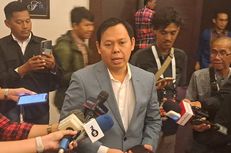
Chairman of Indonesia Police Watch (IPW) Sugeng Teguh Santoso feels that Suyudi's reshuffles appear increasingly peculiar.
“These transfers within the police seem odd to me as an observer of policing,” Sugeng told Kompas.com on Monday (23/11/2026).
According to him, the police's explanation that the reshuffles are part of organizational refreshing and routine position rotations does not satisfactorily address public questions.
“This should be answered, not just regarded as refreshing. The public cannot simply accept it, nor can we as observers,” he remarked.
“This is not refreshing; it seems more like purging or cleansing. It's a cleansing of police officials at every level suspected of being associated with the previous regime or former National Police Chiefs,” he added.
Sugeng asserts that if these reshuffles are indeed a purge, the National Police must clarify their assessment criteria.
Because the term purging can imply that those reassigned have issues or allegations of misconduct.
He also questions the potential for political motives behind these series of reshuffles.
Sugeng considers that the pattern of officer shifts observed differs from typical organizational rotations.
Furthermore, Sugeng warns that such a massive reshuffle could lower morale among police personnel, especially among lower-ranking members who are not involved in leadership issues.
According to him, officers who have been striving to build their careers and receive promotions may feel disappointed if they are dismissed simply for having ties to previous leadership.
“Regarding the wiretapping, I agree if there were wiretaps against the president that should be processed. But the lower-ranking officers are not aware. They work hard to climb the ranks,” he stated.
“Their efforts may be positive, yet this kind of cleansing will lead to moral degradation,” he concluded.