

When the Wrong is Justified by the Masses
-
News
-
19 minutes ago
This article was translated by AI. Read the original article on Kompas.com. See Original
JAKARTA, KOMPAS.com - Criminal law expert from Trisakti University, Abdul Fickar Hadjar, believes that the government does not need to establish a new body to carry out asset confiscation as stipulated in the Asset Confiscation Law (UU Perampasan Aset).
According to Abdul Fickar, this authority should be entrusted to existing law enforcement agencies, namely the Corruption Eradication Commission (KPK) and the Prosecutor's Office.
This is because both institutions already have units or divisions dedicated to executing asset confiscations based on court decisions.
"The execution of asset confiscation should ideally be handled by the Prosecutor's Office, or in cases of corruption, primarily by the KPK, with oversight from the Commission on the Prosecutor's Office and the KPK Supervisory Board, rather than creating a new body that would waste funds and be inefficient," said Abdul Fickar in a conversation with Kompas.com on Saturday (21/11/2026).
He further suggested that the government could take a middle ground by utilizing the existing structures within KPK and the Prosecutor's Office.
This could be done by issuing a Presidential Regulation (Perpres) to designate execution divisions in both agencies to carry out the tasks mandated by the Asset Confiscation Law.
"A Perpres would designate the execution divisions of the Prosecutor's Office and KPK to perform the responsibilities of the new body as outlined in the Asset Confiscation Law," he stated.
Abdul Fickar added that oversight of these powers can also be carried out through existing supervisory institutions.
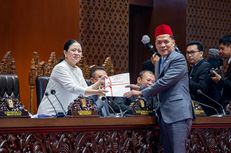
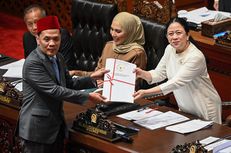
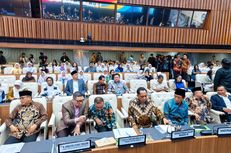
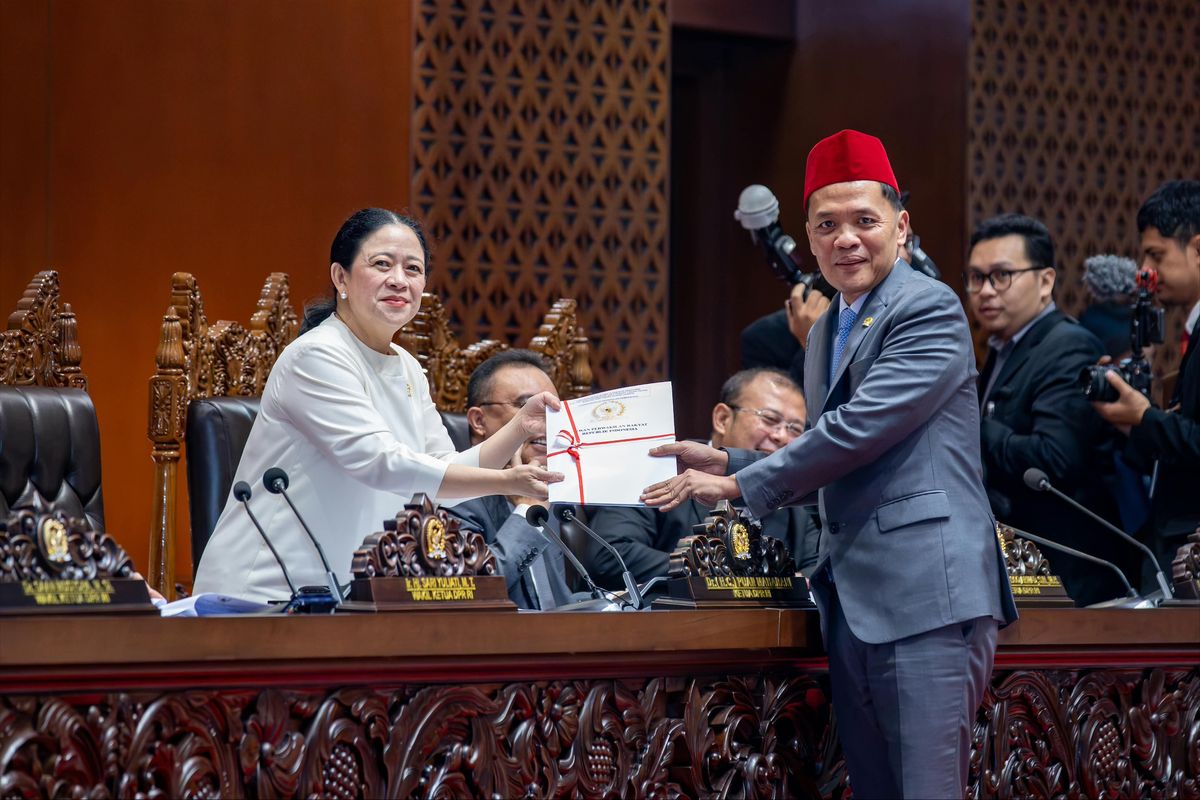
Previously, the Indonesian House of Representatives (DPR RI) passed the Draft Law on Asset Confiscation Related to Corruption and Other Criminal Offenses into law on Thursday (19/11/2026).
The law explicitly mandates the establishment of two new bodies related to the execution of asset confiscation.
The two new bodies are the supervisory body and the asset management body.
The supervisory body is governed by Article 61 paragraph 1 of the Asset Confiscation Law, which states that the body will be formed by the president and consist of five members.
Meanwhile, the asset management body is governed by Article 53 paragraph 1 of the law, which mandates that an asset management body for confiscated criminal assets be established by the president.
Generally, the tasks of this asset manager are divided into two phases: before and after a final legal decision.
Before a ruling, the asset management role includes storage, security, maintenance, and valuation of confiscated assets.
Once a court decision becomes final, the asset management tasks include development, utilization, and sale of assets either through auction or directly, as well as using them for state interests.