

In Hajj Quota Corruption Trial, Yaqut: This is a Jihad for Me
-
News
-
12 minutes ago
This article was translated by AI. Read the original article on Kompas.com. See Original

"Currently, there are only about 58 million, so we still have around 20 million left to reach. This is what we are prioritizing in hard-to-reach areas with 3T and areas with high stunting rates," said BGN Head Sudaryono.
He explained that if this target is met, the number of MBG beneficiaries is expected to reach 77 to 78 million.
The program’s target includes 57 million students, spanning early childhood education (PAUD), kindergarten (TK), elementary school (SD), junior high school (SMP), and senior high school (SMA).
Additionally, about 21 million pregnant women, breastfeeding mothers, and toddlers are also targeted by the program.
"We want to prioritize regions that are most in need to receive attention and services first," he said.
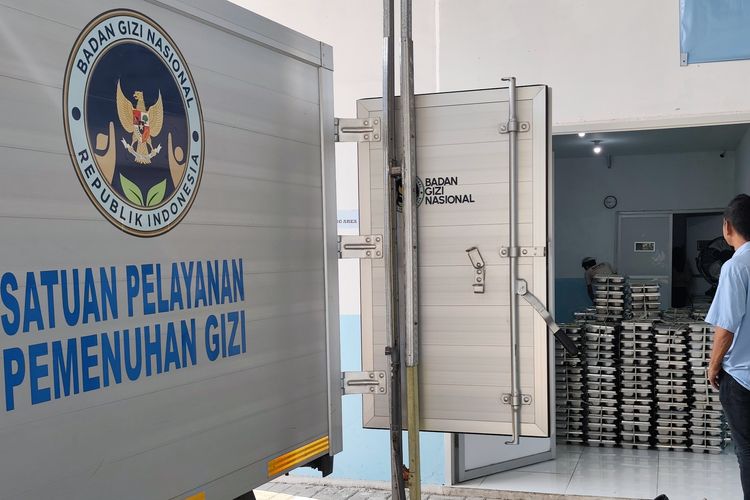
To support this expansion, BGN stated that approximately 3,400 MBG kitchen locations in 3T regions have entered the verification and validation stages.
Sudaryono mentioned that expanding MBG to hard-to-reach areas requires careful preparation to avoid issues later on.
"In total, from the eastern part of Indonesia, there are 480, from central Indonesia 980, and the last 1,900 are in Sumatra and Java, totaling around 3,400 that are now in the verification and validation phase," Sudaryono said.
He explained that the verification and validation process is necessary to ensure location readiness, the needs of beneficiaries, and program implementation feasibility.
BGN does not want to rush into activating kitchens without considering geographical conditions and challenges in each area.
"The 3T region and areas with high stunting rates should receive priority as their needs differ from urban areas or agglomerated regions," Sudaryono stated.
In addition to expanding program coverage, BGN also stresses the importance of food safety in the implementation of MBG.