
YLBHI Warns Against Abuse of Authority via Asset Forfeiture Law
-
News
-
Just now
Writer
This article was translated by AI. Read the original article on Kompas.com. See Original
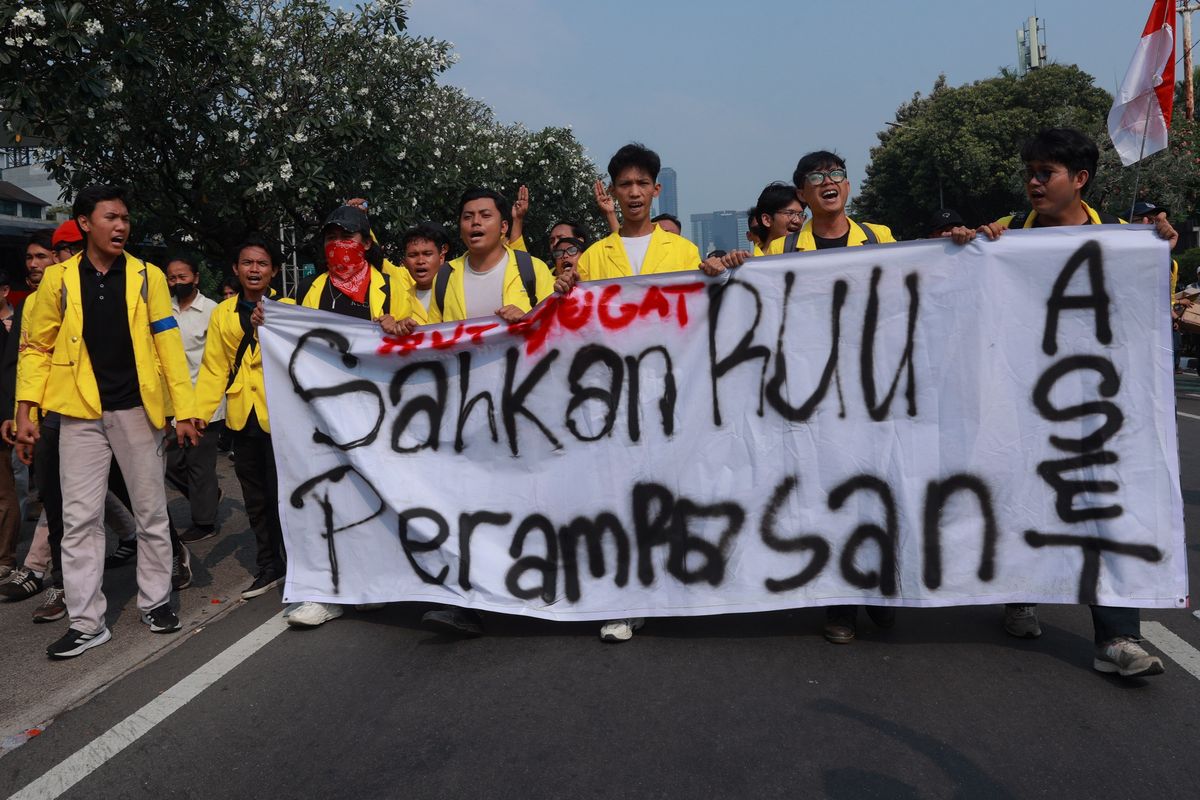
JAKARTA, KOMPAS.com - The Indonesian Legal Aid Foundation (YLBHI) has warned against any abuse of authority under the Asset Forfeiture Law related to Corruption Crimes and Other Crimes.
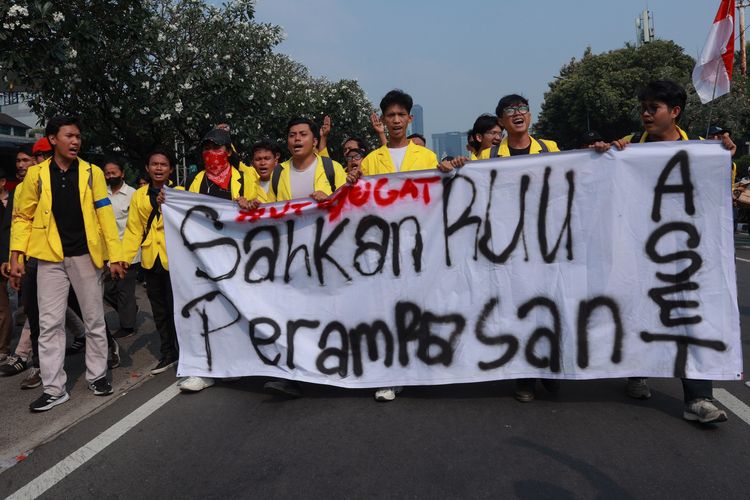
According to YLBHI's monitoring experience, criminal authority has repeatedly intersected with the criminalization of protests, defense of indigenous communities, and critical groups.
"The risk of abuse is not a hypothetical concern. YLBHI's monitoring experience shows that criminal authority has frequently intersected with the criminalization of protests, agrarian conflicts, environmental struggles, the defense of indigenous communities, and critical groups," YLBHI stated in a press release quoted on Friday (20/11/2026).
YLBHI highlighted that the blocking of bank accounts or the seizure of assets could represent a punishment before a decision has been made if authority is abused.
For civil society organizations, unions, legal aid institutions, environmental defenders, or victim communities, such blocking actions are seen as potentially crippling their entire activities.
"This risk is further exacerbated by the definition of 'corporation,' which includes foundations, associations, cooperatives, and unincorporated organizations. The law must contain strong protections to ensure that the asset forfeiture regime does not become an instrument of retaliation, criminalization, or silencing against human rights defenders, journalists, legal aid organizations, trade unions, indigenous communities, environmental organizations, and civil society," YLBHI stated.
YLBHI emphasizes that Indonesia needs a robust Asset Forfeiture Law. However, legal strength should not be measured merely by how quickly the state freezes accounts or how much wealth can be seized.
"The measure of a rule of law is whether the state can pursue the wealth derived from crime without creating new abuses of power. Asset forfeiture should stop perpetrators from enjoying the proceeds of crime, not be a new pathway to punish citizens before the justification for the seizure is deemed lawful," YLBHI concluded.
It is known that the House of Representatives (DPR) officially passed the Draft Law on Asset Forfeiture Related to Corruption Crimes and Other Crimes into law on Thursday (19/11/2026).
Several scopes regulated in the Asset Forfeiture Bill include criminal fraud to trafficking.
Additionally, this bill also regulates the distribution of authority in enforcement of forfeiture, protections for good-faith parties, asset recovery for victims, oversight mechanisms, prevention of authority abuse, and the application of technology.
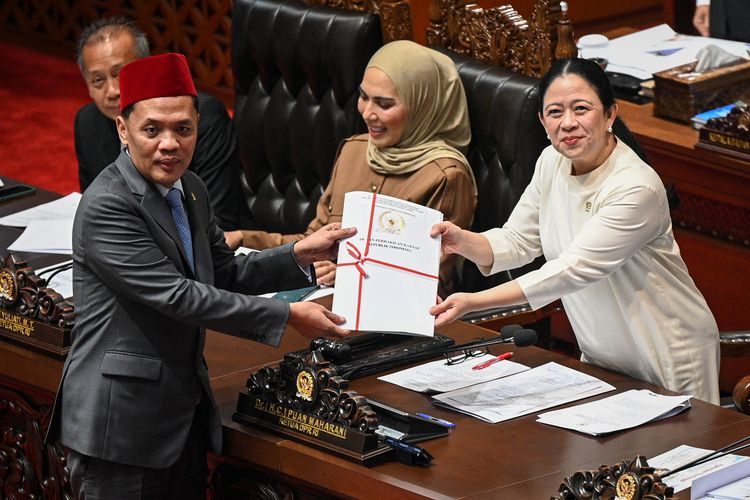 Chairperson of DPR RI Puan Maharani (right) receives a report regarding the discussion of the Asset Forfeiture Bill from Chairman of Commission III DPR Habiburokhman (left) during the 13th Plenary Meeting of DPR for the Second Session of the 2026-2027 Legislative Session at the Parliament Complex, Senayan, Jakarta, Thursday (19/11/2026). In this meeting, DPR approved the Draft Law (RUU) on Asset Forfeiture after 18 years of deliberation. ANTARA FOTO/Fauzan/nym.
The ten main points regulated include: