
BGN Chief: MBG Raw Material Spending in 2026 Reaches Rp 145 Trillion in One Year
-
News
-
10 minutes ago
Writer
This article was translated by AI. Read the original article on Kompas.com. See Original
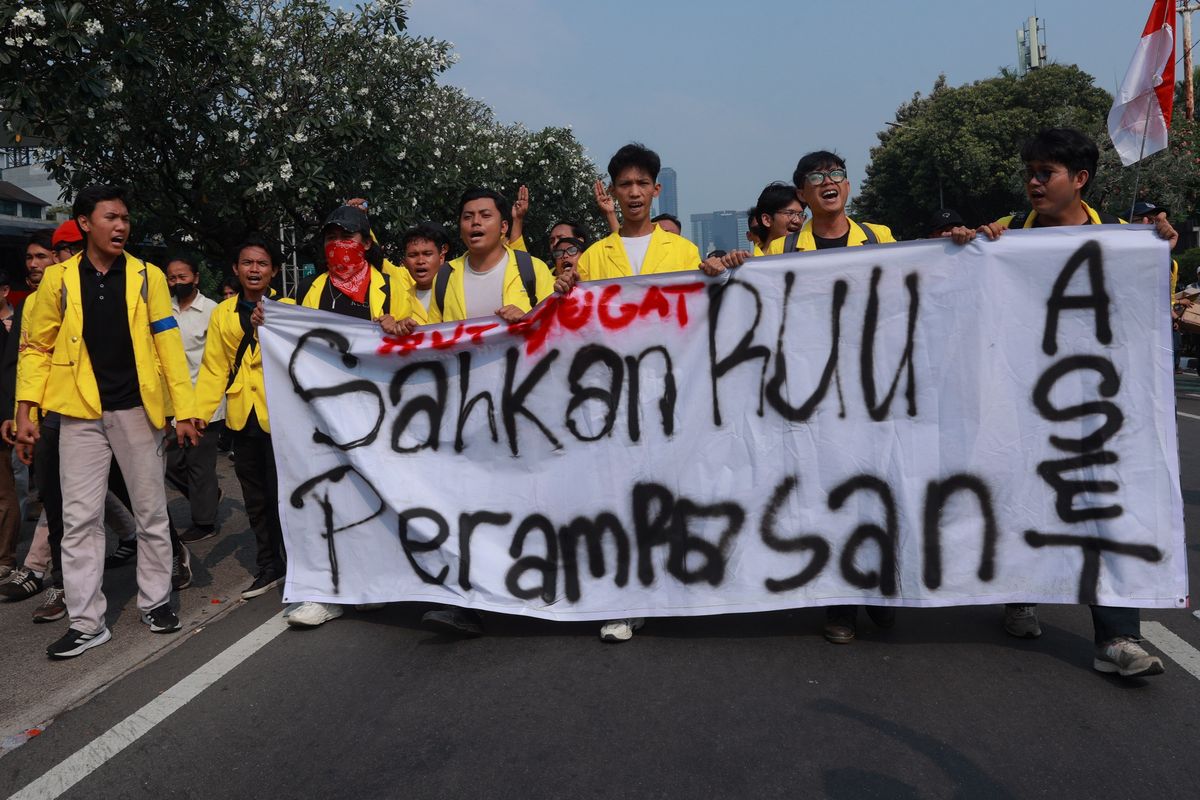
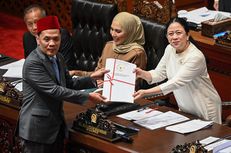
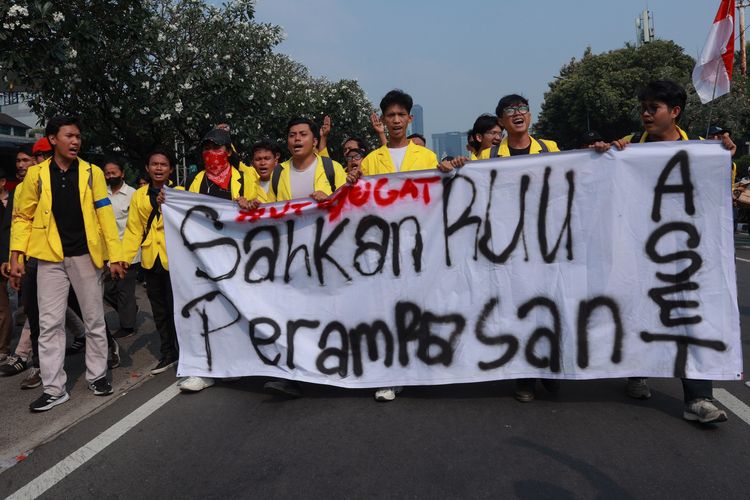
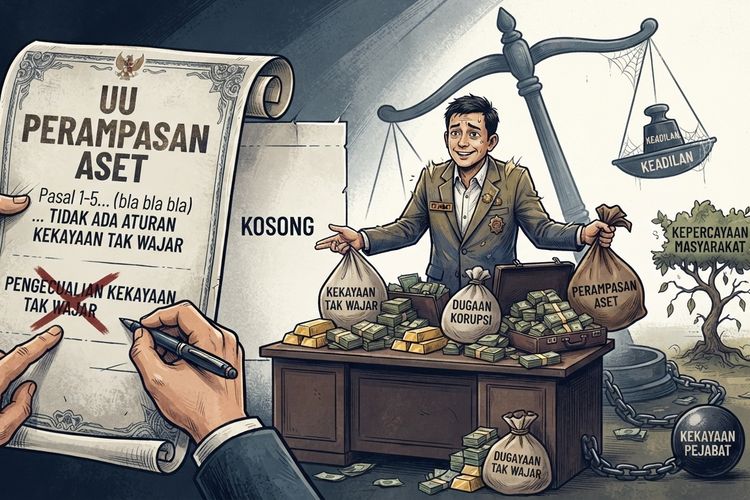
JAKARTA, KOMPAS.com - The Indonesian House of Representatives has officially passed the draft of the Asset Forfeiture Law Related to Corruption Crimes and Other Crimes into law on Thursday (19/11/2026).
"Can the Draft Law on Asset Forfeiture Related to Corruption Crimes and Other Crimes be approved and enacted into law? Agree?" asked House Speaker Puan Maharani during a plenary meeting at the Senayan Parliament Complex, Jakarta, on Thursday.
"Agree," the attending members shouted.
Several scopes regulated in the Asset Forfeiture Law include fraud crimes to trafficking.
Additionally, this law also governs the allocation of authority in forfeiture enforcement, protection for good faith parties, asset recovery for victims, supervision mechanisms, prevention of abuse of power, and the application of technology.
Here are the key points in the Asset Forfeiture Law, with the draft downloaded from the official DPR website:
The Asset Forfeiture Law regulates seven types of crimes whose assets can be forfeited by the state. These seven crimes are outlined in Article 4, paragraph (3) of the Asset Forfeiture Law.
The seven crimes are:
Article 4, paragraph (1) emphasizes that asset forfeiture for corruption crimes can be carried out with or without a criminal conviction against the perpetrator.
"Asset forfeiture based on or without a criminal conviction against the perpetrator of the crime referred to in Article 3 is conducted for corruption crimes," reads Article 4, paragraph (1) of the Asset Forfeiture Law.
The newly passed Asset Forfeiture Law also regulates non-conviction based asset forfeiture (NCB) or asset forfeiture without a criminal conviction.
In Article 6, paragraph (1) of the Asset Forfeiture Law, it is explained that asset forfeiture without a criminal conviction is applied to:
"Asset forfeiture without a criminal conviction against the perpetrator must meet the criteria of assets valued at least Rp1,000,000,000.00 (one billion rupiah)," states Article 6, paragraph (2) of the Asset Forfeiture Law.
"Asset forfeiture without a criminal conviction against the perpetrator, as mentioned in Article 3 letter b, does not eliminate criminal liability against the perpetrator," reads Article 7 of the Asset Forfeiture Law.
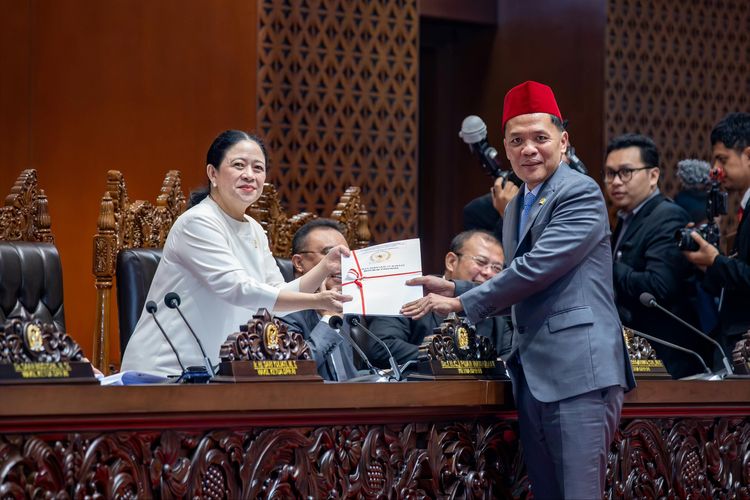 The ratification of the Asset Forfeiture Law by Puan Maharani and Habiburokhman during the 13th plenary session of the DPR RI for the second session of the 2026-2027 legislative year held at the DPR Building.
Article 16, paragraph (1) of the Asset Forfeiture Law regulates the cessation of transactions to the authorized agency for the purposes of investigator tracing.