

Megawati Reveals Her Array of Academic Titles: 3 Professors and 11 Honorary Doctorates
-
News
-
10 minutes ago
Writer
This article was translated by AI. Read the original article on Kompas.com. See Original
JAKARTA, KOMPAS.com - The implementation of the Asset Seizure Law will be directly overseen by a supervisory body established by the President.
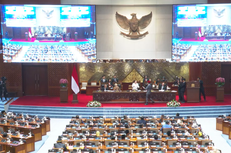
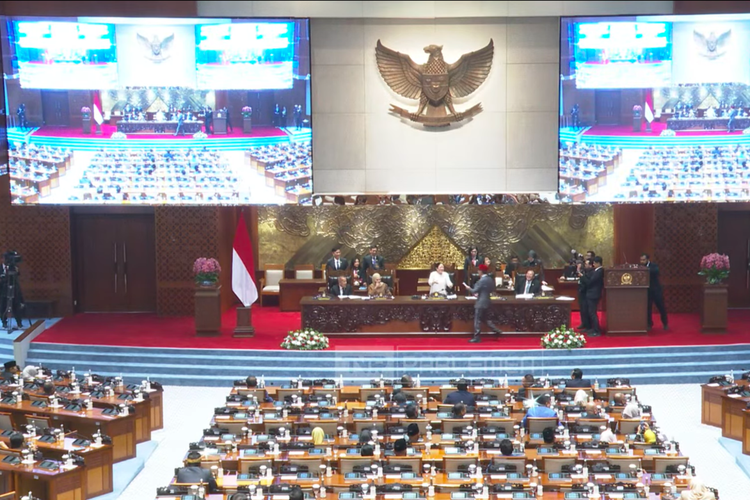
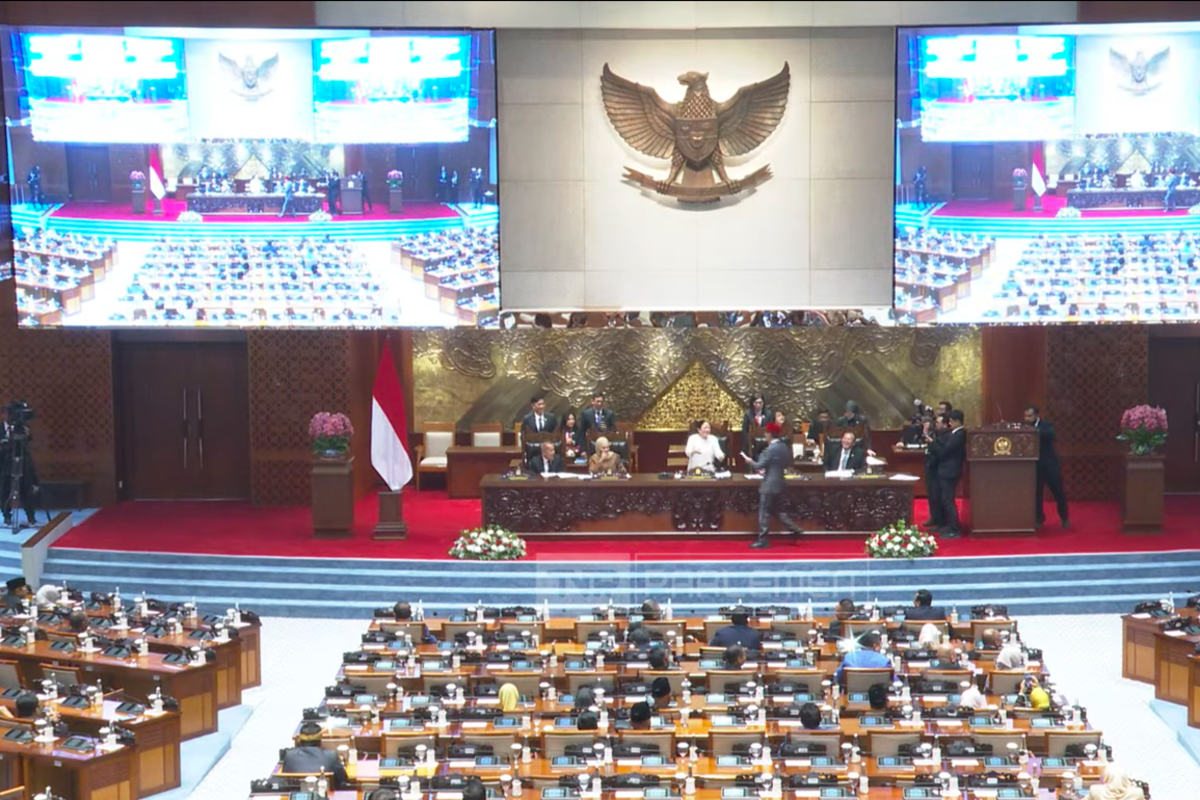
This is stated in the document of the Asset Seizure Law, which was officially passed in a plenary session of the Indonesian House of Representatives on Thursday (19/11/2026).
"The supervision of asset seizure and asset management will be carried out by a body formed by the President," states Article 61, paragraph 1 of the Asset Seizure Law.
The second and third paragraphs of the article explain that the body will consist of five members who will serve a single five-year term.
The same members may be reappointed for only one term extension.
The supervisory body's tasks will relate to the duties and authority of investigators in asset seizures.
Its responsibilities include ensuring transparency and accountability in the execution of asset seizures and asset management according to legal regulations.
Other responsibilities include formulating an ethics code for seizures, receiving and addressing reports of violations in asset seizure and management, conducting ethical hearings, imposing sanctions on violators, and evaluating performance.
Article 63 of the Asset Seizure Law outlines the requirements to become a member of the supervisory body.
There are 10 criteria that must be met:
1. An Indonesian citizen;
2. Devout to God the Almighty;
3. In good physical and mental health;
4. Has expertise in law, finance, or audit accounting;
5. Holds at least a bachelor's degree in a relevant field;
6. Aged at least 40 and no more than 60 years at the time of election;
7. Not currently declared bankrupt by a court ruling that has obtained permanent legal force;
8. Must disclose personal wealth before and after holding office in accordance with legal regulations;
9. Has never been convicted of a crime based on a court ruling that has obtained permanent legal force; and
10. Competent, honest, possesses high moral integrity, and has a good reputation.